

Biophilic bathroom design is quickly emerging as a top trend for homeowners seeking relaxing, nature-inspired spaces that support well-being. But what exactly is it, how do you pull it off in your own remodel, and what pitfalls should you know before getting started?
Key Takeaways
- Biophilic bathroom design connects you with nature through organic materials, natural light, and greenery—improving mood and air quality.
- Essential elements include stone, wood, humidity-loving plants, and large windows or skylights—focus on easy-to-maintain features.
- Plan for moisture and plant care; avoid trends that look great in photos but aren’t practical for daily use or your climate.
- What Is Biophilic Bathroom Design?
- How to Create a Biophilic Bathroom: Step-by-Step Guide
- Advanced Analysis & Common Pitfalls
- Conclusion
- FAQ
What Is Biophilic Bathroom Design?
Biophilic bathroom design means inviting the calm, restorative benefits of nature right into your daily routine. By blending natural materials, live plants, earthy colors, textures, and abundant daylight, these bathrooms offer a true sensory retreat. Unlike minimal modern spaces, biophilic bathrooms use elements like stone tile, wood, leafy plants, and panoramic windows or skylights to build a strong connection to the outdoors—even in a compact city home.
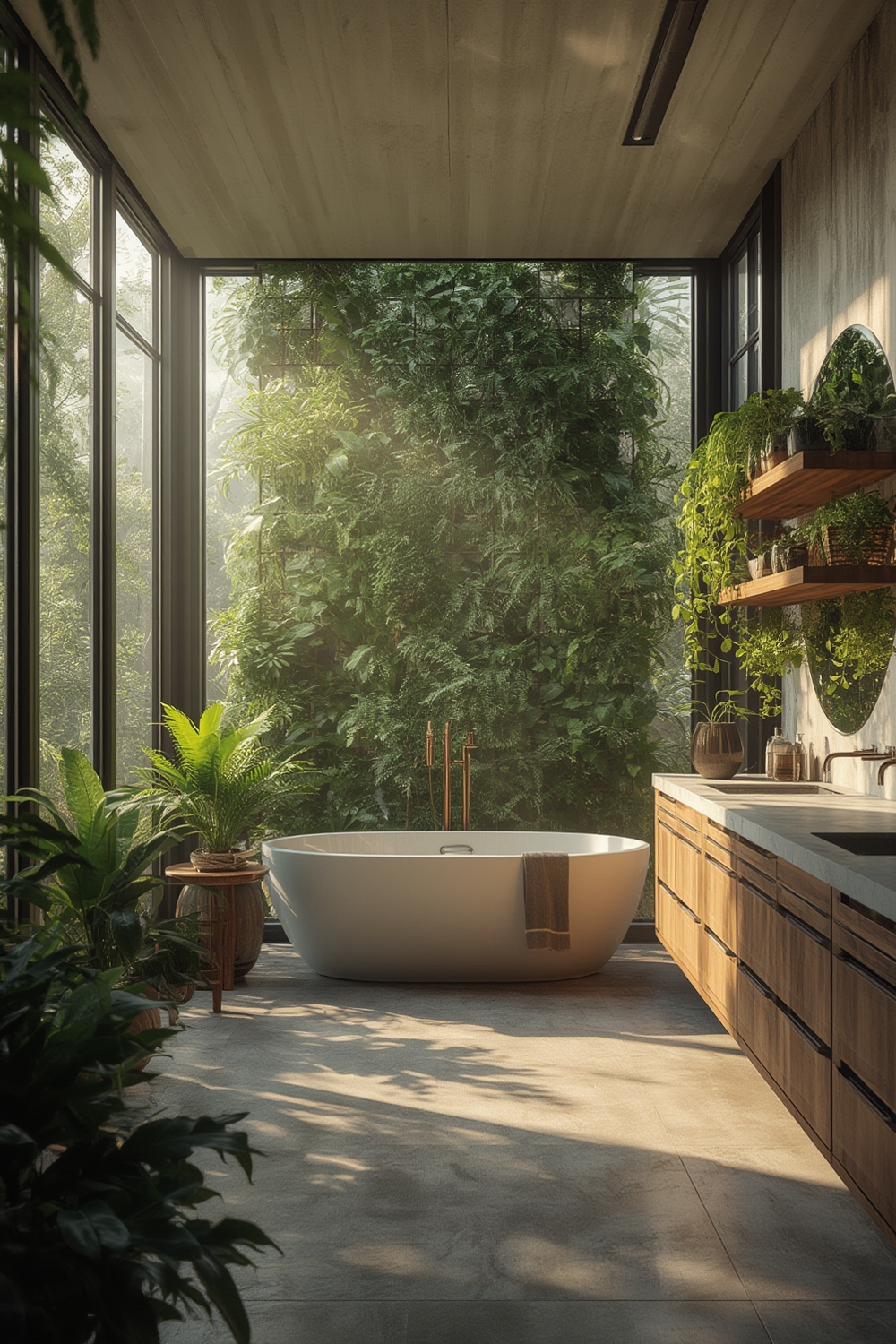
The popularity is rising for a reason: About 35% of designers in the latest trends report cite nature-inspired greens as a top palette, while 55% of surveyed homeowners love organic, contemporary styles. Well-chosen biophilic features can lower stress, boost your mood, and even help purify the air—making your bathroom a place you want to linger, not just pass through.
If you’re considering a walk-in shower or a full bathroom remodel, weaving in biophilic concepts can dramatically heighten the sense of luxury and comfort. From custom plant-friendly layouts to durable organic surfaces, there are plenty of ways to get started—whether your space is large or small.
Related reading: Curbless Shower Installation Guide
How to Create a Biophilic Bathroom: Step-by-Step Guide
Ready to transform your bathroom into a serene, nature-inspired haven? Here’s a step-by-step plan to get biophilic design right—without creating maintenance headaches down the road.
1. Assess Your Space’s Light, Ventilation, and Layout
Before shopping for materials or greenery, study how much daylight enters your bathroom and note problem areas where humidity lingers. Proper venting is essential not just for comfort, but for the long-term health of wood, stone, and plants. If your bathroom feels dark or stuffy, adding a skylight, window, or vent fan is a smart first investment.
2. Choose Low-Maintenance, Organic Materials
Natural stone tiles remain the go-to choice for both style and durability. Whether you opt for limestone, marble, or slate, look for finishes labeled “honed” or “tumbled”—these add serenity while hiding water spots and soap marks. For cabinetry, floating vanities or open shelving units in white oak or teak bring warmth and depth, reflecting the broader shift toward natural wood cabinetry.
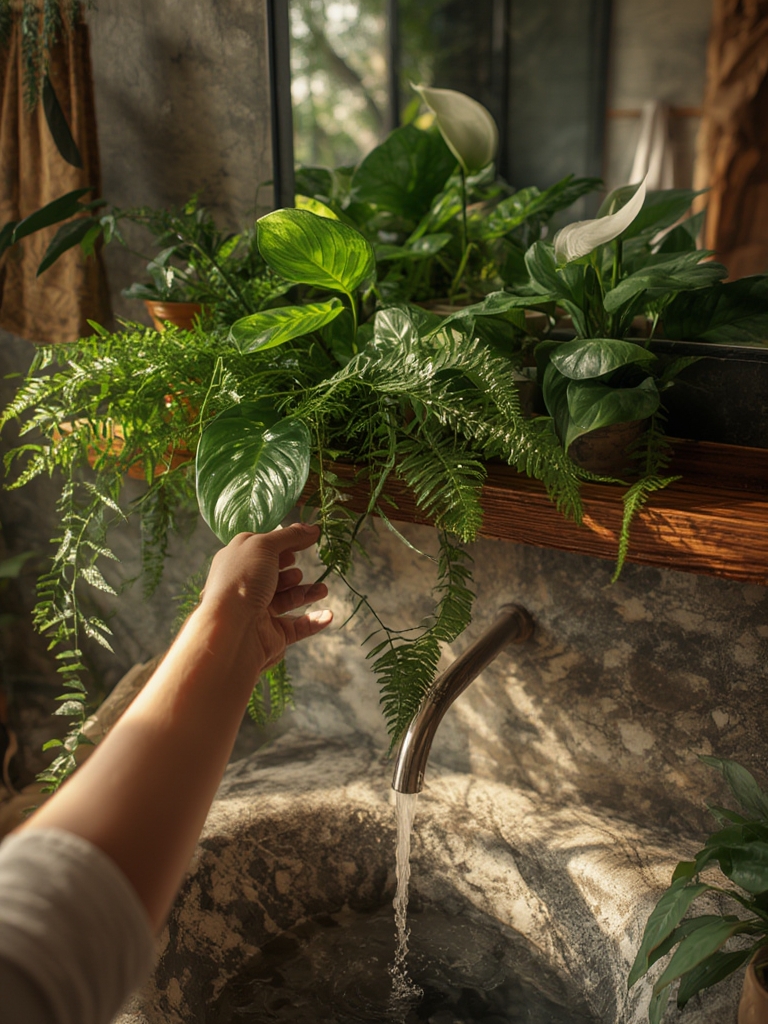
Surfaces like Silestone or Dekton might not be “organic” in the strict sense but can provide an earthy aesthetic with far less upkeep in humid or high-use environments. Consider woven baskets, pebbled tiles, or botanical-printed textiles for subtle, layered interest.
3. Integrate Greenery—Select the Right Plants
Some of the best plants for bathrooms include ferns, philodendrons, snake plants, and orchids. These species not only tolerate, but thrive on, humidity. For tight spaces, wall planters, narrow ledges, or hanging pots free up floor space. Grouping three or more plants together can create an instant mini-oasis—even in a windowless powder room.
4. Harness Daylight—or Fake It
Large windows, glass-block walls, or a small skylight infuse the space with natural brightness. If privacy is a concern, use frosted glass, plantation shutters, or shade-loving plants as a living screen. Pale green, ivory, or sand-colored walls bounce the light further, creating an airy, open feeling.
5. Use Soothing Palettes & Nature-Themed Details
Earthy greens, warm neutrals, and botanical wallpapers echo the outdoors. Organic curves in mirrors, countertops, or tub shapes break up rigid lines, while carved stone or textured ceramic tiles mimic natural surfaces. Minimalist, on-trend faucets and shower fixtures in bronze or matte black ground the theme without feeling “theme park-y.”
6. Plan for Function: Organization & Flow
Every surface and shelf should combine beauty with utility. Consider custom nooks for soaps and towels, or built-in surfaces that double as plant stands. Inspiration can be found in pantry storage ideas—use vertical space and modular components to prevent clutter.
If you like to entertain, or your bathroom is near a living area, a butler’s pantry prep zone could even inspire organization and elegance in your vanity area.
7. Add Finishing Touches and Smart Tech
Accessories like stone soap holders, wood trays, and woven storage complete the look. For optimal comfort, add smart lighting, humidity sensors, or even radiant floor heating—see smart home lighting ideas for inspiration. Smart features allow you to tweak ambiance throughout the day for your ideal spa-like escape.
Advanced Analysis & Common Pitfalls
While the benefits of biophilic bathroom design are clear, the path isn’t always smooth. Ambitious homeowners sometimes run into costly or frustrating challenges. Here’s a pragmatic look at what can go wrong and how to sidestep common traps.
No Universal Blueprint: Personalization Is Key
All bathrooms are unique. Copying a magazine look exactly rarely works if your space, climate, or habits don’t match. Evaluate how much care and cleaning you’re willing to handle. Remember, high humidity can warp even treated wood or mildew grout unless you plan meticulously.
| Pitfall | Why It Happens | How to Prevent |
|---|---|---|
| Choosing High-Maintenance Plants | Exotic plants may look great at first but quickly die or attract pests in bathrooms lacking enough light or ventilation. | Stick to ferns, philodendrons, or snake plants—no-fuss options proven to thrive in humidity (see expert picks). |
| Improper Waterproofing or Ventilation | Wood and porous stone can warp, rot, or develop mold if standing water accumulates due to poor construction. | Never skip proper waterproofing—review expert bathroom waterproofing strategies before renovation. |
| Underestimating Plant Care | Even “easy” plants can suffer from routine bathroom cleaning products or hard water buildup. | Protect plant roots from soap residue and use distilled water for sensitive species. |
| Ignoring Practical Storage | A visually stunning space with nowhere to hide toiletries quickly becomes cluttered. | Utilize hidden cabinetry, floating shelves, or repurpose indoor-outdoor storage ideas. |
In addition, recognize that most local building codes won’t address plant use but do require proper waterproofing behind tiles and permanent fixtures. Discuss your plans with your contractor or designer before installing wood or stone in high-splash zones.
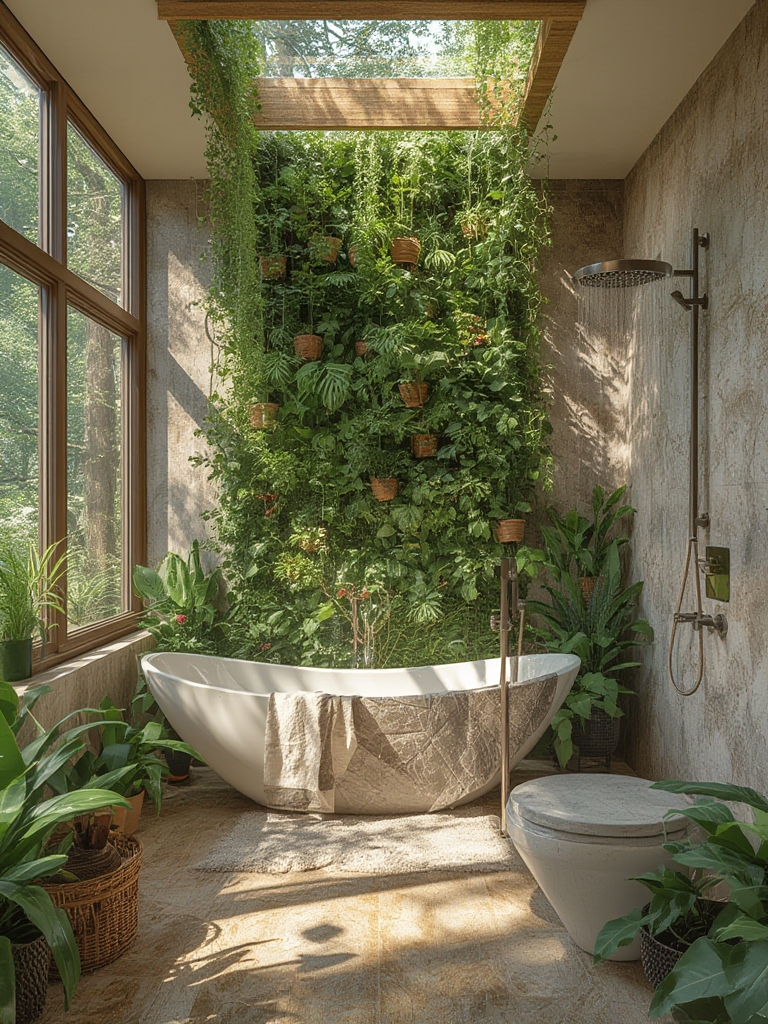
Finally, don’t buy into the misconception that biophilic means high cost. Small touches, like a green plant stand by the window or a rough-hewn wood stool or basket, create the mood even on a budget.
Conclusion
Incorporating biophilic bathroom design delivers more than just visual appeal—it supports healthier, happier routines. By combining natural materials, plant life, and abundant light, you can create a rejuvenating retreat right at home. Remember to focus on practicality, maintenance, and your personal style for results you’ll love long term.
Ready to embrace nature at home? Start your biophilic bathroom design journey with careful planning and let your space—and your well-being—thrive. For more inspiration, explore our top guides on pantry renovations and indoor-outdoor living.
FAQ
What’s the simplest way to add biophilic elements to a small bathroom?
Add a few humidity-loving plants, use organic textures like a wood stool or basket, and let in as much natural light as possible. Even a simple green accent wall can have a big impact.
Are there plants that survive in a windowless bathroom?
Yes—snake plants, pothos, and philodendrons are great options. Supplement with daylight LED grow lights if you don’t have a window.
Do I need special ventilation for wood or stone in my bathroom?
Proper exhaust fans are important to avoid mold and warping. Seal all wood and porous stone, and avoid constant standing water in these areas.
Can biophilic design work with modern or minimalist bathrooms?
Absolutely. Use clean lines with natural materials, limit clutter, and choose greenery to add softness—biophilic and minimal styles complement each other well.
Is biophilic bathroom design expensive?
It can be as affordable as you make it. Focus on a few impactful features—like a plant shelf or stone tile accent—rather than a full renovation if you’re on a budget.