
### Blog Post:
Green roof installations are transforming city landscapes and improving building energy efficiency, but they are not without challenges. If you’re considering upgrading to a green roof, here’s everything you need to know – from energy savings and technical requirements to hidden pitfalls and return on investment.
Key Takeaways
- Green roofs dramatically cut summertime cooling costs (up to 35%) and reduce city heat.
- Initial investment is high, but most green roofs pay for themselves within 6 years and can last twice as long as standard roofs.
- Installation requires careful planning for waterproofing, root protection, and ongoing maintenance.
- What Is a Green Roof? Why Are They Gaining Popularity?
- How to Install a Green Roof: Step-by-Step Guide
- Advanced Analysis & Common Pitfalls
- Conclusion
- Frequently Asked Questions
What Is a Green Roof? Why Are They Gaining Popularity?
A green roof is a living roof system where vegetation is planted over a waterproofing membrane, turning a standard roof into a mini-ecosystem. Green roofs are not only visually appealing but deliver measurable benefits: they lower building temperatures, filter the air, manage stormwater, and extend a roof’s life expectancy.
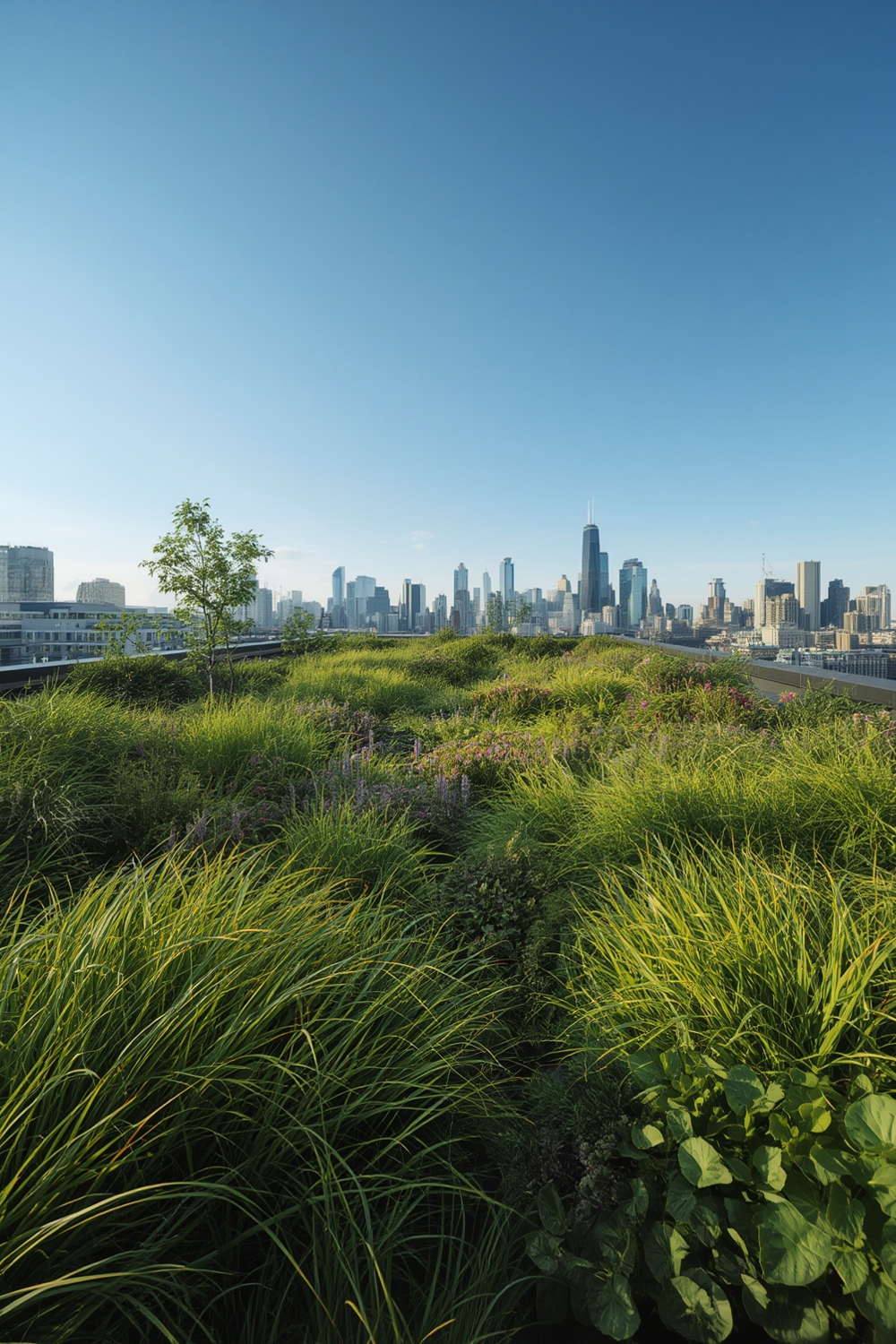
Cities worldwide are adopting green roofs to battle urban heat and pollution. For example, a 2024 UNSW Sydney study found that greening up to 90% of rooftops in Seoul, South Korea reduced summer maximum temperatures by up to 2.17°C at the surface, and entire cities can experience ambient cooling when as little as 50% of buildings feature green roofs.
For individual property owners, a green roof can slash cooling costs by 15-35% in warm climates, as shown in studies from the US Environmental Protection Agency (EPA) and Mediterranean universities. This delivers real, recurring savings while making your home environmentally resilient.
Green roofs also align with the latest trends in biophilic design, bringing more nature into the built environment. Many eco-conscious homeowners pair them with features like biophilic bathrooms or maximize home value through indoor-outdoor living spaces for even greater benefits.
How to Install a Green Roof: Step-by-Step Guide
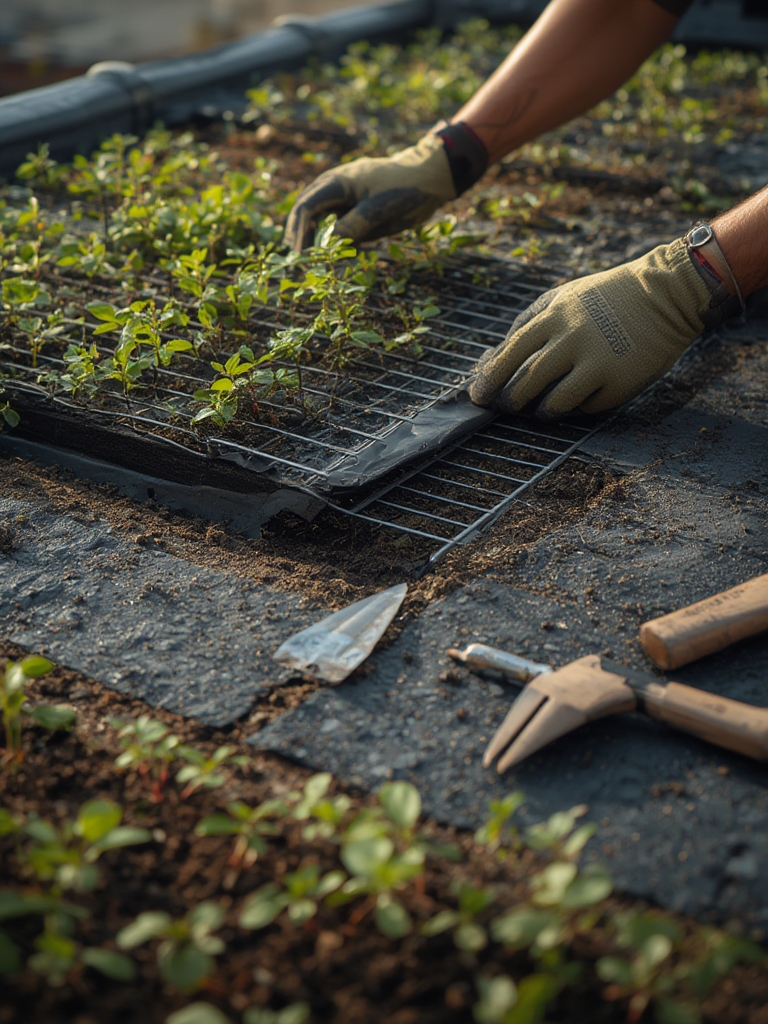
Installing a green roof is more involved than laying sod over shingles. Here’s a proven process that works for residential and small commercial buildings:
- Evaluate Structural Support: Consult with a structural engineer. Soil and vegetation are heavy, especially when saturated with water.
- Select Roofing System Type: Decide between “extensive” (lighter, thinner soils for easy maintenance) or “intensive” (thicker, supports shrubs or small trees). Each requires different support and design.
- Install Root Barrier and Waterproofing Membrane: Protect your roof from leaks and root intrusion. Use commercial-grade, tested membranes—failure here is one of the biggest long-term risks.
- Add Drainage and Filter Layers: A good green roof never traps water under plants. Install lightweight drainage mats and filter sheets to move excess water to roof drains.
- Add Engineered Growing Medium: Use green-roof-specific soil, not garden soil. It should be lightweight and drain well to protect your structure.
- Plant Drought-Tolerant Species: Sedum and native grasses are the most common. Choose plants suited to your local climate for lower maintenance and better survival.
- Maintain Regularly: Water during establishment, weed as needed, check drains and membranes at least twice a year.
Be sure to check your city’s building codes and local green roof incentive programs. Some municipalities offer grants or abatements, though not every locale does.
Consider pairing your green roof with other home upgrades such as energy-efficient windows or curbless showers to create a holistic, sustainable renovation plan. This is a proven way to boost your home’s value and environmental performance.
Advanced Analysis & Common Pitfalls
Green roofs are highly effective—but only when properly designed, installed, and maintained. Here’s what research and real-world case studies reveal:
- Waterproofing failures: The most expensive green roof problems usually start with cuts or punctures in the membrane during installation. Membrane damage can go unnoticed, resulting in costly leaks or interior water damage.
- Poor structural planning: Underestimating the load leads to sagging or even structural failure, especially with intensive systems.
- Wrong soil or plants: Garden soil is too heavy and holds too much moisture. Some species can become invasive or outgrow their shallow substrate.
- Drainage issues: Installing insufficient drainage causes standing water, root rot, and dead plants.
- Neglected maintenance: Without routine inspections, small repairs can become big expenses. Leaf litter and weeds block drains and encourage pests.
| Aspect | Green Roof | Conventional Roof |
|---|---|---|
| Expected Lifespan | 40 years | 17 years |
| Cooling Energy Savings | 15–35% | 0% |
| Installation Cost Recovery | ~6 years (with 224% ROI incl. all savings) | Typical depreciation |
| Structural Requirements | Requires assessment | Standard |
| Ongoing Maintenance | 2–4 times yearly | Minimal |
It’s also important to know that not every roofing contractor has experience in green roof installation. Request references and about previous installs—this is as important as choosing a surgeon for your roof.
If you want to add extra living space, an enclosed porch conversion is an easier upgrade—though it doesn’t offer the same cooling and air-quality benefits as a green roof.
Conclusion
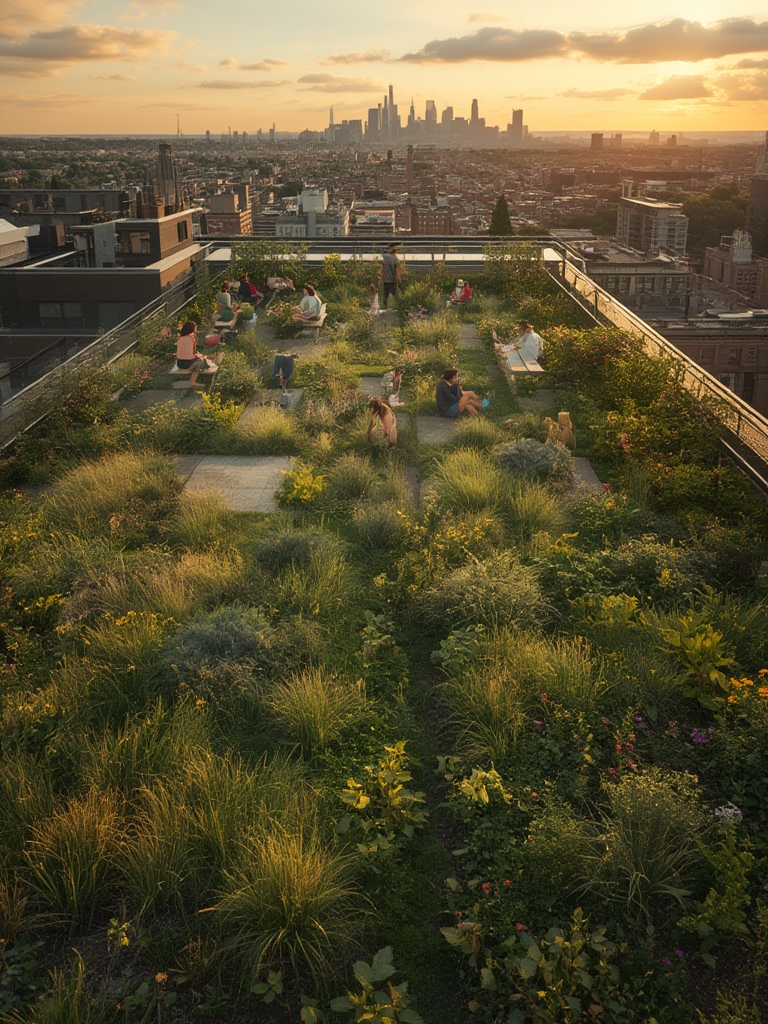
Green roofs offer powerful energy savings, longer roof life, and can significantly lower city and home temperatures in summer. While the initial investment is substantial, the math overwhelmingly favors green roofs for many property owners seeking long-term sustainability and cost savings. Assess your structure, hire experts, and plan ongoing maintenance for the best outcome. If you’re ready to future-proof your home, now’s the time to evaluate your options—and make sure your next upgrade is a green roof. Get started today by requesting a professional assessment or comparing options on local incentive programs you may qualify for.
Frequently Asked Questions
Do green roofs work in cold climates?
Yes. Green roofs insulate buildings year-round, protecting against both heat and cold. In cold weather, they help reduce heat loss and prevent ice-dam buildup, though the main savings are typically on summer cooling costs.
What is the typical maintenance required for a green roof?
Most green roofs need 2-4 inspections per year. This includes weeding, checking for irrigation or drainage issues, ensuring the membrane is intact, and replanting bare spots as needed.
How long does a green roof last compared to a standard roof?
Green roofs have an average lifespan of 40 years, more than twice that of conventional roofs, which typically last 17 years according to the General Services Administration.
How much does it cost to install a green roof?
Costs vary depending on system type, structural requirements, and local labor rates. Studies show over half the cost is recouped in lower energy and maintenance expenses—most green roofs pay for themselves in about 6 years with a 224% ROI over their lifetime.
Can I install a green roof myself?
If you have construction experience and a structurally sound roof, a small “extensive” green roof kit is possible for a handy DIYer. For most applications, professional design and installation is strongly recommended to avoid waterproofing and drainage failures.