

### Blog Post:
Outdoor lighting system upgrades are surging in popularity for homeowners, driven by energy savings, smarter controls, and the desire to enhance safety, curb appeal, and outdoor living. But understanding how to choose, install, and maintain an outdoor lighting system can be daunting, especially with today’s range of options and technical requirements.
Key Takeaways
- Outdoor lighting systems are rapidly evolving, with LEDs now comprising over half of new installations and smart controls making outdoor spaces safer and more energy-efficient.
- Homeowners must consider installation types (wired, solar, retrofit), energy codes, maintenance, and cost-to-benefit ratios—pitfalls include overlighting, code violations, and high ongoing costs.
- Government incentives and updated building codes are accelerating the switch to modern outdoor lighting solutions; understanding rebates and compliance is essential for savings and peace of mind.
- Understanding Outdoor Lighting Systems: What and Why
- How to Plan and Install a Modern Outdoor Lighting System
- Advanced Insights, Common Pitfalls, and Product Comparisons
- Conclusion
- FAQ
Understanding Outdoor Lighting Systems: What and Why
Outdoor lighting systems encompass all permanently installed fixtures and controls designed to illuminate the exterior of your home, yard, driveway, or garden. They range from simple porch lights to integrated smart networks that adjust lighting levels automatically for safety, aesthetics, and energy efficiency.
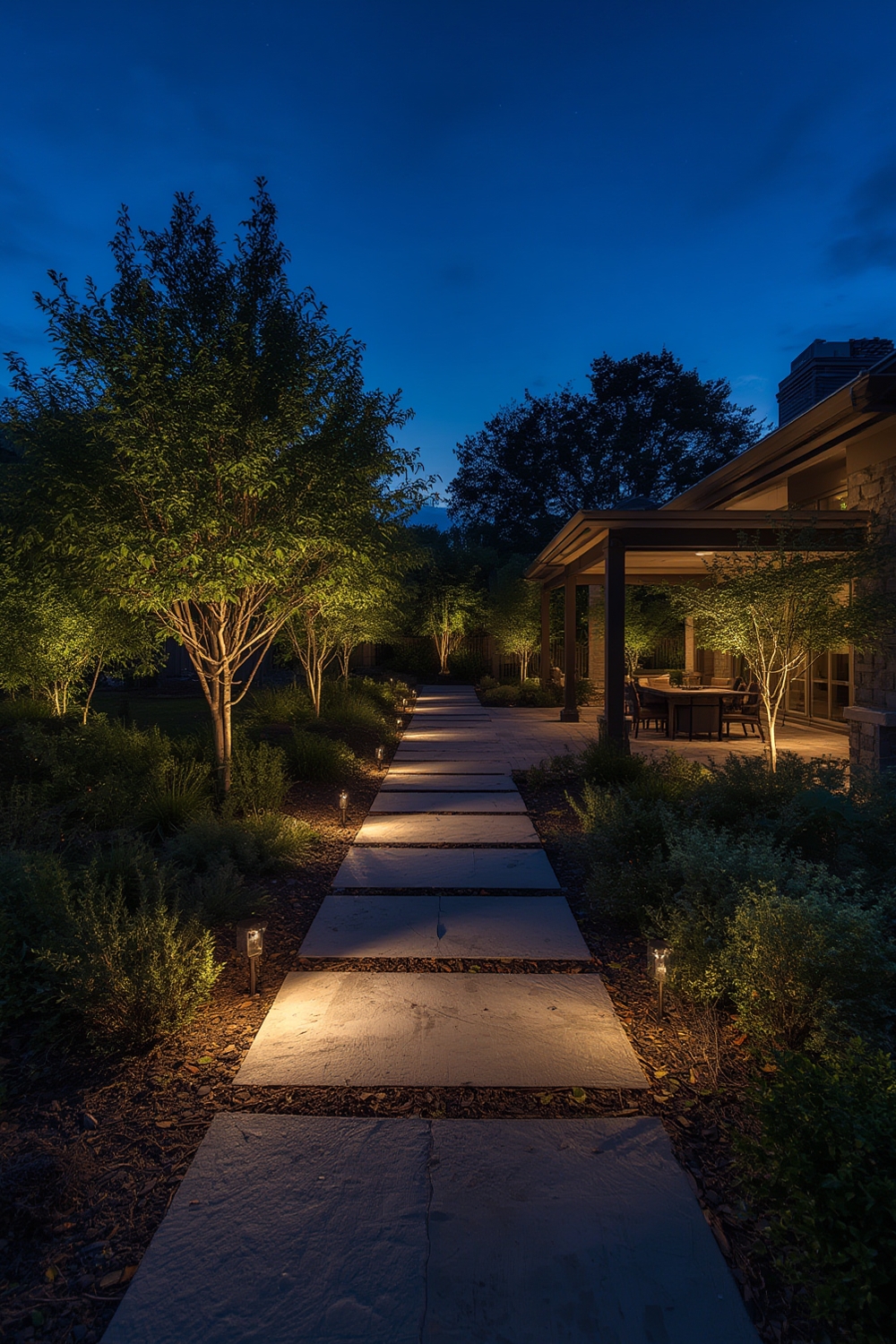
Demand for outdoor lighting is escalating. As of 2024, the global outdoor lighting market is valued at over $27 billion, with outdoor LED systems specifically forecast to quadruple by 2034, according to Precedence Research. LEDs have already captured over half the market, drastically reducing energy costs and extending fixture lifespan compared to traditional bulbs (Mordor Intelligence).
As energy codes tighten and municipalities upgrade streetlights, more homeowners are updating their own outdoor spaces—both for security and to extend outdoor living usability at night. When paired with features like patios, outdoor kitchens, or pergolas, lighting systems play a pivotal role in maximizing home value and lifestyle.
How to Plan and Install a Modern Outdoor Lighting System
Upgrading or installing an outdoor lighting system isn’t just about picking stylish fixtures. Here’s how to approach the process to achieve results that are safe, code-compliant, and visually stunning.
1. Define Your Lighting Goals
- Identify priorities: security, landscape highlighting, entertaining, or all three.
- For security, focus on entrances, garage, and dark corners. For entertaining, prioritize patios and decks. Consider outdoor kitchen zones if you cook outside.
2. Assess Current Infrastructure
- Check for existing wiring, GFCI outlets, and clear access for cable laying.
- If none, budget for trenching or select solar fixtures (easier but typically less bright, especially in cloudy regions).
3. Select Fixture Types and Controls
- LEDs offer the best longevity and efficiency (Grand View Research).
- Look for ENERGY STAR or Title 24-compliant models—some local codes require this.
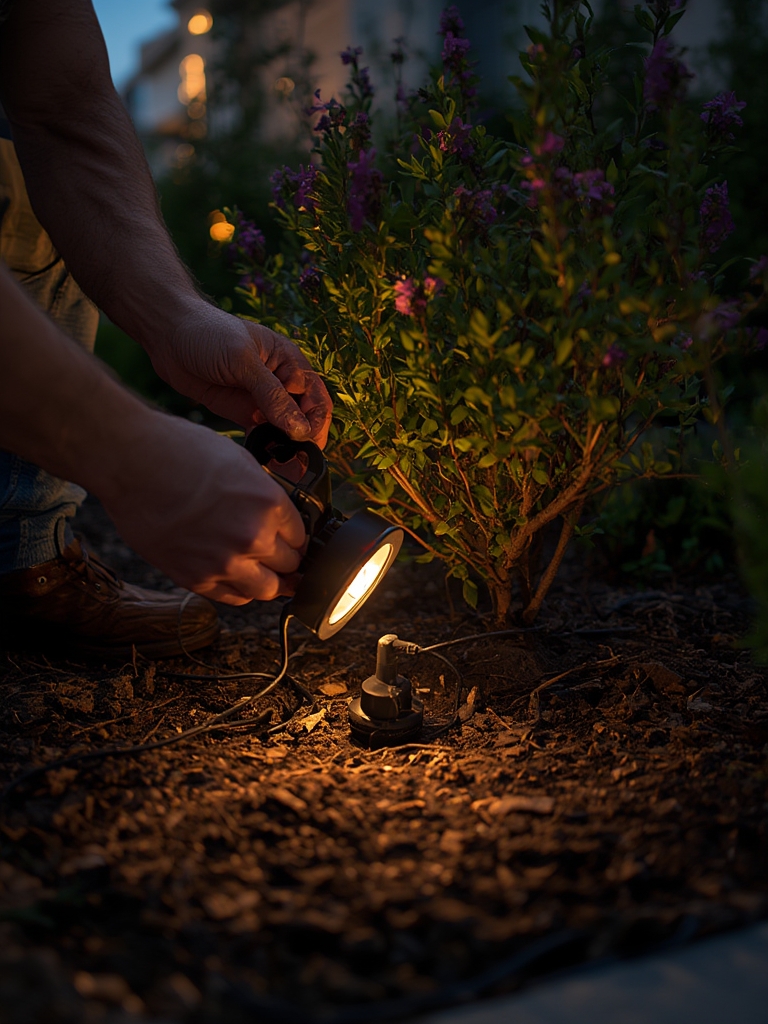
- Mix path lights (spaced 6–8 feet apart), accent spots, floodlights, and string lighting.
- Add photocell sensors or smart timers for energy and security benefits.
4. Plan Your Circuit and Power Requirements
- Total up wattage for all fixtures. Ensure your circuit can handle the load, factoring in a margin for future expansion.
- If using low-voltage (12V) systems, install a weather-rated transformer.
5. Professional Installation or DIY?
- Simple plug-in or solar lights are easy for most homeowners. For wired systems, especially involving trenching or high-wattage, hire a licensed electrician.
- Confirm compliance with local codes. Check for permit requirements (especially in California and other areas with strict energy efficiency codes).
6. Test, Adjust, and Maintain
- Before trenching or hard-mounting fixtures, test layout at night. Adjust as needed to reduce glare and avoid overlighting.
- Schedule seasonal bulb/wiring checks. Clean fixtures to prevent moss, cobweb, or bug build-up that lowers light output.
- Integrate maintenance with other outdoor upgrades like decking or sensory garden installations to reduce overall costs and disruptions.
Advanced Insights, Common Pitfalls, and Product Comparisons
While outdoor lighting upgrades are on the rise, several challenges and mistakes still trip up homeowners.
Common Pitfalls
- Overlighting: Too many fixtures or excessively bright LEDs can create harsh glare, disorient night vision, and annoy neighbors.
- Ignoring Codes and Local Rules: ENERGY STAR or Title 24 standards aren’t optional everywhere. Installing non-compliant fixtures can force costly replacements if discovered at sale.
- Poor Layout: Randomly placed lights waste energy and fail to achieve the desired effect, whether for safety or curb appeal.
- Maintenance Oversights: Outdoor fixtures attract insects, mold, and debris. Neglecting regular cleaning and bulb checks reduces both performance and lifespan.
- Choosing Wrong Fixture Types: Using non-weatherproof or indoor-rated fixtures outdoors can lead to short circuits, premature failure, or safety hazards, especially in damp climates.
Installation Types and Cost Considerations
| Type | Example Use | Pros | Cons | Cost Range* |
|---|---|---|---|---|
| Wired LED System | Whole-home landscape, driveway, security lights | Bright, reliable, supports smart controls, energy efficient | Upfront installation cost, trenching needed, code compliance required | $$–$$$ |
| Solar Fixtures | Pathways, garden beds, accent spots | DIY-friendly, no wiring, low energy cost | Lower brightness, performance drops in shade/cloud, battery replacement | $–$$ |
| Plug-In String or Spotlights | Temporary accent, parties, decks | Simple install, flexible, low upfront cost | Cord management, not permanent, low durability | $ |
| Smart Lighting Systems | Whole yard with networked controls | Scheduling, remote control, advanced automation | Higher initial cost, requires Wi-Fi reliability | $$–$$$ |
*Cost ranges are relative and will vary depending on yard size, fixture quality, and regional labor rates.
It’s worth noting that smart-ready retrofit kits, now commonly adopted for municipal retrofits, are increasingly available for homeowners too (Mordor Intelligence). These minimize digging and labor, especially where existing poles or wiring can be reused—potentially reducing your upgrade costs substantially.
Regulatory and Incentive Landscape
- North America: ENERGY STAR and Title 24 rules require high-lumen-per-watt efficiency and automatic shutoff controls in new installations (Mordor Intelligence).
- Canada: Public infrastructure funding often covers LED upgrades in shared spaces (Grand View Research), and similar programs sometimes include private homes.
- Global Trends: Many cities (notably in India and China) are pursuing smart city initiatives, accelerating intelligent outdoor lighting adoption (Precedence Research).
- Europe: Bans on mercury lamps and RoHS directives are forcing rapid conversion to LEDs, often supported by rebates or subsidies.
Always check your local building authority’s website for permit, lighting, and energy-efficiency requirements as they can affect both design and product selection.
Conclusion
Modernizing your outdoor lighting system pays dividends in security, comfort, and even property value—but only when done right. Plan for lighting goals, code compliance, and long-term performance from the start. Choosing quality fixtures, testing placement, and following regular maintenance will help you avoid common pitfalls and achieve professional results.
Ready to upgrade your home’s exterior? Explore more ideas to enhance your property, like boosting kitchen style with statement lighting, or making the most of your yard with smart storage solutions and relaxing outdoor fire features. Start planning your project and enjoy a safer, more valuable home today!
FAQ
What are the best bulbs for outdoor lighting systems?
LED bulbs rated for outdoor use are the best choice. They offer long lifespan (often 10+ years), high efficiency, and are available in various color temperatures for both security and ambiance. Always ensure the bulb is listed for wet or damp locations as needed.
How can I reduce energy costs with outdoor lighting?
Use motion sensors, dusk-to-dawn photocells, or smart timers to prevent unnecessary run time. Choose ENERGY STAR-rated LED fixtures—these dramatically cut consumption compared to incandescent or halogen lights.
Do I need a permit for upgrading my outdoor lighting system?
This depends on your local jurisdiction and project scope. Any project involving new wiring, trenching, or integration into your home’s main circuit may require a permit, especially in areas with Title 24 or similar regulations.
Can I integrate outdoor lighting with my smart home system?
Yes. Many outdoor lighting systems are compatible with platforms like Alexa, Google Home, or Apple HomeKit. You can control lights by voice or remotely via smartphone, or set up automated routines based on schedules or sensors.
How often should outdoor lighting be maintained?
Inspect fixtures at least twice per year. Clean exposed surfaces to remove dirt and debris, check wiring for wear, and replace any failed bulbs or batteries promptly to avoid dark spots and electrical hazards.