

### Blog Post:
Whole home battery backup systems are now mainstream for households looking to keep the lights on during blackouts, save on utility bills, and prepare for ever-stranger weather. In 2024, as battery costs drop and outages rise, more Americans are choosing battery storage over traditional generators and temporary fixes.
Key Takeaways
- Nearly half of US solar buyers now add home battery backup—mainly for blackout resilience and bill savings.
- Installation costs keep falling, but integration and capacity planning can derail a project if you’re not careful.
- Gaps in competitor guides: too few real-world brand comparisons, hidden post-install issues, and little lifecycle cost detail.
- What Is Whole Home Battery Backup and Why Does It Matter?
- How to Install Whole Home Battery Backup: Step-by-Step
- Advanced Insights & Common Pitfalls
- Conclusion
- FAQ
What Is Whole Home Battery Backup and Why Does It Matter?
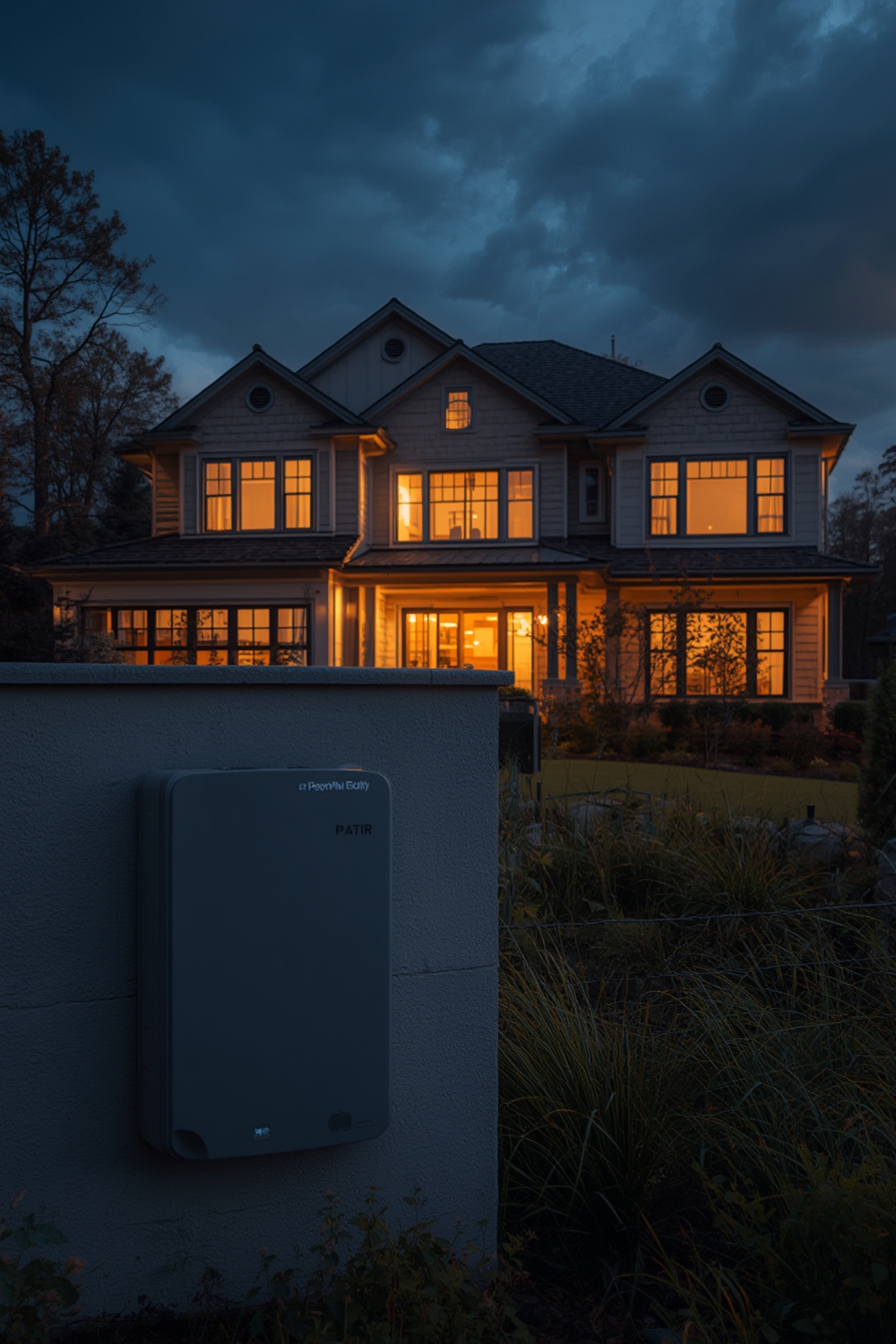
Whole home battery backup is a system—usually lithium-ion batteries—connected through your electrical panel or solar inverter to store extra electricity for powering your house when the grid goes down. It’s not just for disaster prep. It helps manage high time-of-use rates, supports solar self-consumption, and lowers bills.
In 2024, 45% of US residential solar buyers included a battery, doubling from just a year prior. This is fueled by higher outage frequency, aggressive incentives, and dropping battery costs ($999/kWh median in late 2024). Demand for energy peace of mind has made battery backup more common than backup generators in many markets.
How to Install Whole Home Battery Backup: Step-by-Step
- Analyze your household loads.
List essentials: fridge, WiFi, medical devices, lighting—then add luxury items if desired. Use your old electric bills or a smart plug to estimate kWh needed for a typical outage. - Pick the right size and type.
Capacity should cover your priorities for at least one night (or whole home for four-plus hours). You’ll typically see batteries specified by kWh (energy) and kW (instantaneous power). - Choose a battery brand and integration method.
Pick from lithium iron phosphate (LiFePO4), NMC lithium, or saltwater chemistries. Tesla Powerwall, Enphase, and EcoFlow are leading options, with various warranty lengths and software features. - Get multiple installer quotes.
Include balance-of-system costs (panel, switches, transfer gear), not just the battery sticker price. Use the EnergySage marketplace or comparison tools. - Secure incentives and permits.
Federal tax credits (possibly sunsetting in 2025 pending legislation), state rebates, and local incentives can reduce costs. Submit all permit paperwork before installation. - Schedule the install.
A typical setup takes 1-2 days, but expect longer if you need service panel upgrades. - Test in real-world outage mode.
Simulate a grid interruption to ensure your battery kicks in as promised and that you know how to monitor charge/discharge and switchover. - Maintain and monitor.
Use your OEM’s app or online portal to track performance, set backup priorities, and schedule support if issues arise.
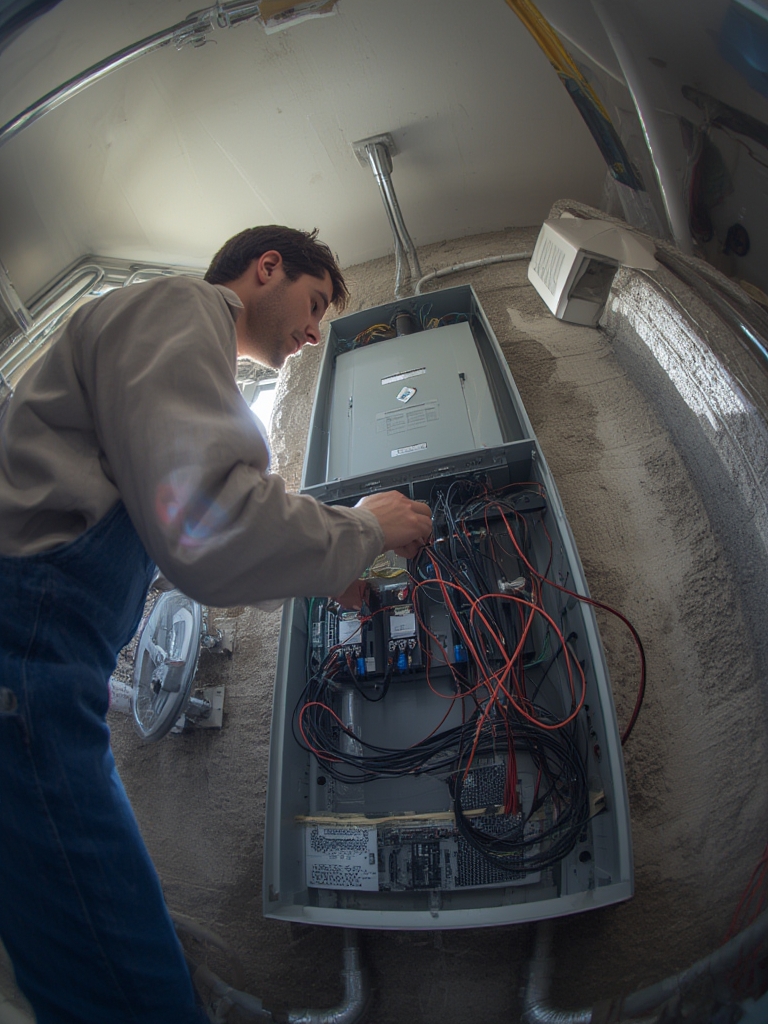
For DIY-friendly households, consider learning from other major projects that combine technology with household systems. For example, smart garage door openers (see this guide) offer lessons in integrating new devices with legacy wiring—just like battery backup integration sometimes requires panel rework or old wiring upgrades.
Homeowners keen on ROI should also research energy-efficient windows and electric water heaters: pairing these with battery storage reduces demand, lets you buy a smaller (cheaper) battery, and stretches backup times in a real outage.
Advanced Insights & Common Pitfalls
New battery backup owners report three main struggles—rarely discussed in official guides or by top-ranking competitors:
- Battery runs out faster than expected during blackouts. Most “whole home” setups only supply essential loads unless you greatly oversize your battery bank. Just 63% of US solar-battery homes can run at half-normal power use during an outage.
Source - Integration headaches. Old or complex panels, non-compatible solar inverters, or legacy systems (like smart garage doors or wired alarms) may require electrical rework or even additional hardware. This can compound install costs and cause days of delay.
- Warranty and support surprises. Not all batteries are equal—cycle life (number of full charges/discharges), warranty length, replacement policies, and software support ranges from industry-leading to lagging. Too many buyers assume “all batteries are alike.”
| Feature | Tesla Powerwall | Enphase IQ Battery | EcoFlow Backup (Typical Model) | Industry Average (2024) |
|---|---|---|---|---|
| Usable Capacity (kWh) | 13.5 | 10.1 | 10.8 | 12.5 |
| Instant Power Output (kW) | 5.0 | 3.84 | 3.6–5.0 | 5.0 |
| Warranty | 10 years or 70% capacity | 10 years or 70% capacity | 5 years (extendable) | 10 years |
| Chemistry | NMC Lithium-ion | LFP Lithium-ion | LFP Lithium-ion | Varies |
| Backup Power Capable? | Yes | Yes | Yes | Yes |
| Average Cost ($/kWh installed) | $1,100–1,500 | $1,200–1,600 | $1,000–1,300 | $999 (2024 median) |
Look carefully at efficiency, warranty exclusions, and customer support reviews—not just specs and price. Choose battery models from brands with a proven track record in disaster response and extended grid outages—like EcoFlow’s real-world performance during 2024’s record extreme weather events (read more).
For maximum backup runtime or added comfort, consider upgrading your main panel or integrating energy-saving upgrades like energy-efficient windows or adding a well-insulated indoor-outdoor living space—these reduce loads and keep battery storage working longer.

Conclusion
Whole home battery backup is now a realistic safeguard—not just an off-grid luxury. Prices are dropping, but choosing, sizing, and integrating your system will make or break your outcome. Don’t skimp on prep or installer vetting. Pair batteries with other efficiency upgrades (like new windows or a heat pump water heater) to stretch runtime and lower costs over time.
Ready to take control with a whole home battery backup system? Get quotes from a trusted installer and start your backup plan today.
FAQ
How long will a whole home battery backup run my house?
Most single-battery systems will power essential loads (fridge, WiFi, lights, some outlets) for 8 to 24 hours in a blackout. For full-home coverage, you’ll likely need multiple batteries or to shed non-essential loads. Runtime will depend on your usage and total installed capacity.
What is the average cost to install whole home battery backup?
In H2 2024, the median installed battery price was about $999 per kWh, not including incentives. Most installs cost $12,000 to $18,000 depending on size, wiring, and local labor, but can be lower after federal tax credits or rebates. Get several quotes, and watch for falling prices in 2025.
Is battery backup better than a whole home generator?
Batteries offer instant, silent power and store renewable energy, but may have shorter runtimes than large generators. Generators run longer but emit noise and fumes, require fuel storage, and are often less efficient. Batteries suit short outages and grid-tied solar homes best.
What maintenance does a home battery backup need?
Lithium-ion batteries require little maintenance beyond app-based software updates and keeping the device area free of dust and moisture. Check system health annually and test backup function every 6 months, or as your installer recommends.
Which brands offer the best whole home battery backup?
Tesla, Enphase, and EcoFlow are most established, with warranties of 5-10 years. Look for brands with strong disaster support and a local installer network. Always compare product specs and real-world reviews before deciding.
—