
### Blog Post:
SPAN smart electrical panel solutions are changing how homeowners manage power, electrify appliances, and prepare for the future of home energy. With soaring demand for smart upgrades, understanding SPAN’s benefits and drawbacks is essential for anyone considering a serious electrical panel upgrade.
Key Takeaways
- SPAN is rapidly disrupting the smart electrical panel market but faces competition from legacy and emerging brands.
- Choosing a SPAN panel enables advanced circuit control, EV integration, and future-ready electrification, but installation complexity and actual costs deserve careful scrutiny.
- Research gaps exist on user pain points, installation hurdles, and real-world app functionality—make sure to weigh local incentives and installation standards before buying.
- What Is a SPAN Smart Electrical Panel and Why Upgrade?
- How to Upgrade: Step-by-Step Guide for Homeowners
- Advanced Analysis & Common Pitfalls
- Conclusion
- Frequently Asked Questions
What Is a SPAN Smart Electrical Panel and Why Upgrade?
The SPAN smart electrical panel replaces your home’s traditional breaker box with a connected hub that automates, monitors, and optimizes all your circuits. Unlike standard panels, SPAN offers real-time load management, seamless EV charger integration, and direct app-based control. It’s built for electrifying more appliances—think heat pumps, induction cooktops, and battery backups—making it an attractive choice for energy-conscious homeowners and those preparing for the coming wave of electrification mandates.
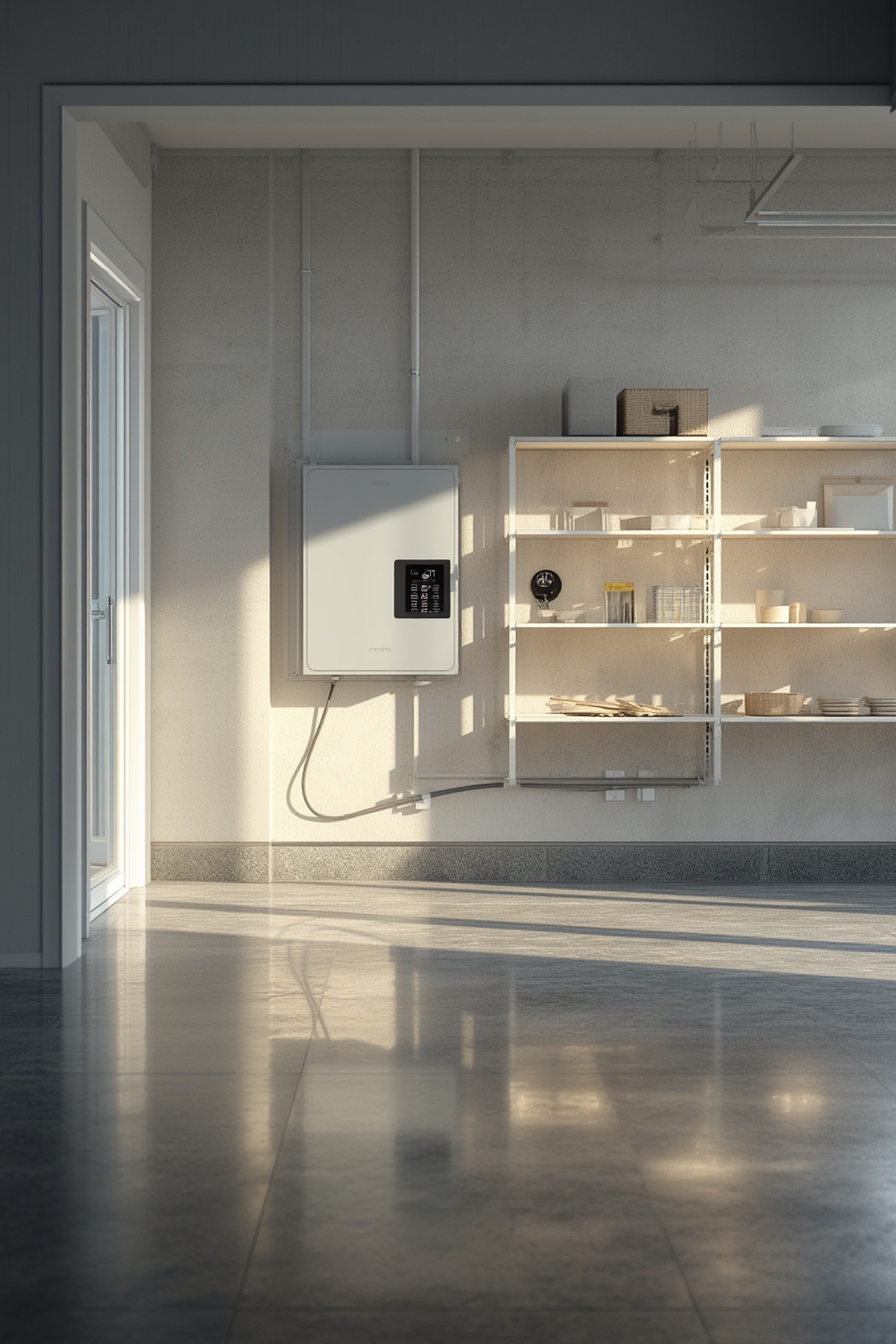
Here’s why these panels are drawing attention:
- Automated load shedding and machine learning decide, in real time, which circuits stay live during peak loads or battery outages. For example, SPAN will cut power to your EV charger if your battery gets low, but keep your fridge and medical equipment running.
- Onboard backup controls and intelligent EV charger integration (SPAN Drive) let you electrify more circuits without upgrading your whole service entrance—sometimes saving major panel upgrade costs.
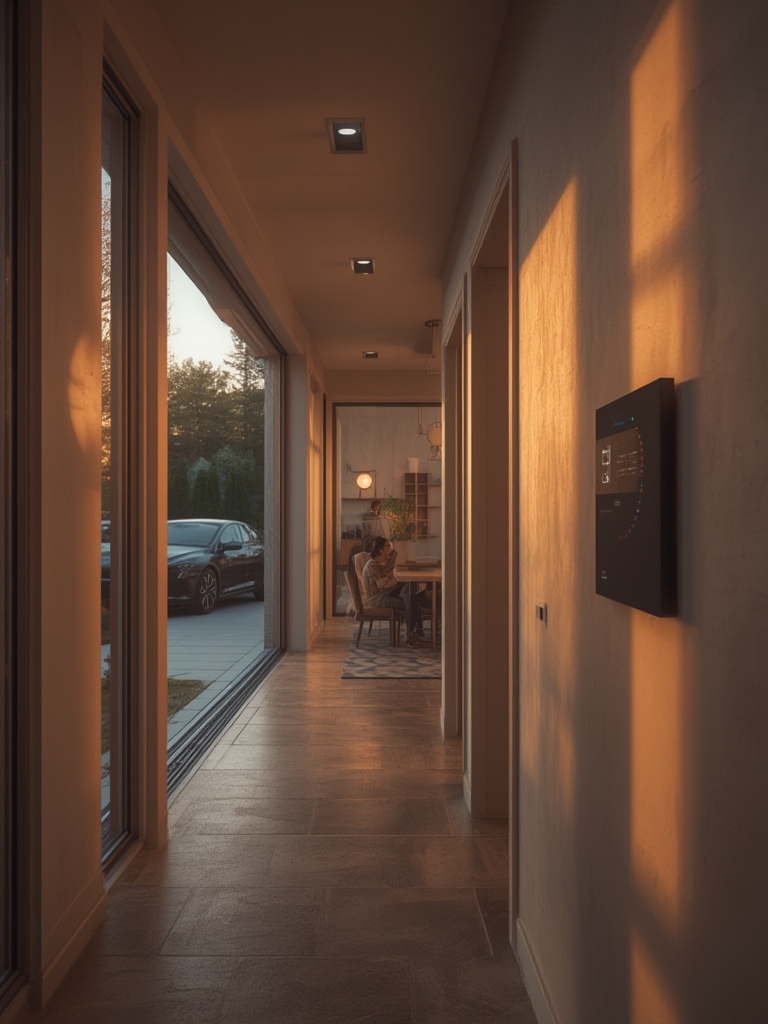
- Homeowners use a mobile app to see current usage, predict savings, and get push notifications if there’s an issue. Optional Wi-Fi or cellular backup helps maintain access.
The push to electrify US homes—on the back of policies like the Inflation Reduction Act—is accelerating SPAN’s market presence. As of 2024, SPAN’s US market share is roughly 3–5% and growing, compared to Schneider Electric and Eaton’s 15–20% slices. While cost and installation hurdles remain, SPAN’s lifestyle-focused app and partnerships with industry leaders like Tesla and Sunrun set the stage for rapid adoption.Source
How to Upgrade: Step-by-Step Guide for Homeowners
If you want to future-proof your home, upgrading to a SPAN smart electrical panel shouldn’t be guesswork. Here’s exactly how to tackle it—from evaluation to potential savings.
-
Assess Your Electrical Needs
Map out major appliances, HVAC, and any plans for EV charging, battery backup, or electrification upgrades—knowing load requirements helps size your panel (SPAN Panel 16, 24, 48, or Meter 8). -
Research Rebates and Incentives
Explore Inflation Reduction Act incentives and local rebates for smart panel and electrification upgrades. Many programs subsidize hardware and installation for EV and battery-ready panels. -
Get Multiple licensed electrician Quotes
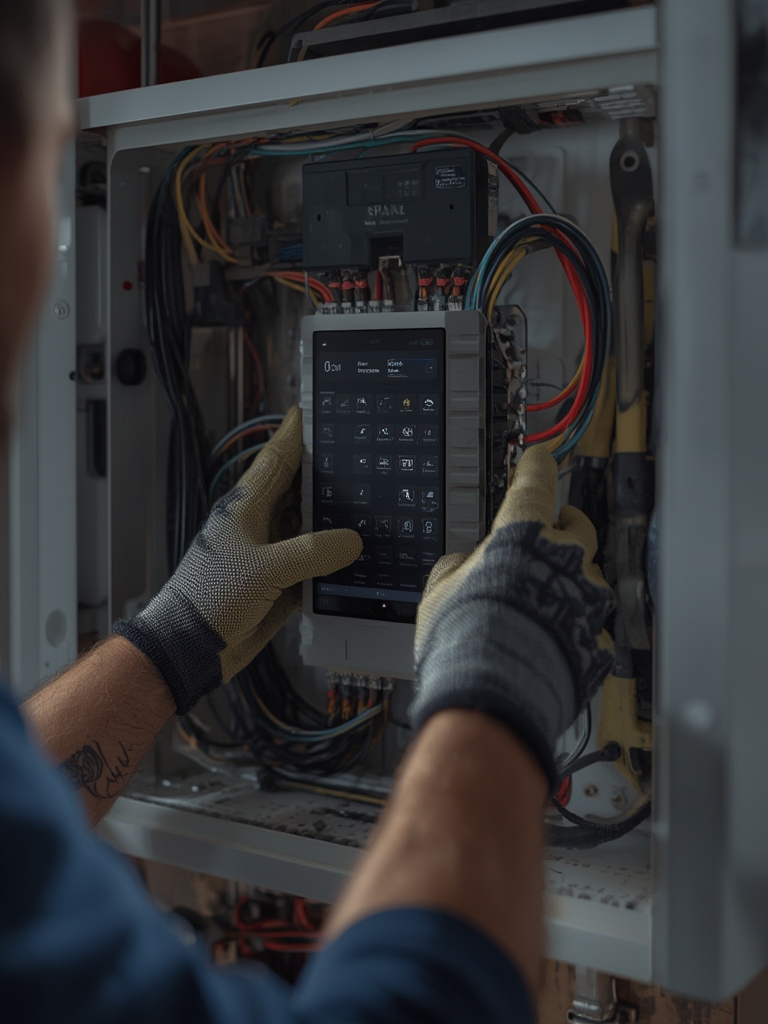
Because SPAN installation is not DIY, get detailed quotes from certified pros. Request line items for panel hardware, installation/labor, potential service upgrades, permit fees, and app onboarding. -
Clarify Utility and Inspection Requirements
Some regions have specific smart panel and grid-interactive approval steps. Ask your installer if SPAN is pre-approved by your utility, especially if you want to join demand response programs. Missed paperwork can delay your project by weeks. -
Schedule Installation
Once you’ve locked in rebates and permits, coordinate with your electrician to minimize power downtime—installations often require a full day. -
Connect to the App and Set Up Automations
Post-installation, your electrician should help connect the SPAN app, assign critical vs. flexible circuits, and walk you through load controls and automation settings. Set notification thresholds for critical loads, and explore integration options for EVs and batteries. -
Monitor, Optimize, and Report Issues
Use the app to fine-tune your savings. Review load reports monthly and try joining your utility’s time-of-use programs for additional savings.
Want more ways to electrify your home efficiently? Don’t miss our guides on home EV charger installation and maximizing whole home battery backup.
Advanced Analysis & Common Pitfalls
SPAN’s smart electrical panel packs advanced features, but it’s not a silver bullet for every home. Here’s what you need to know before you invest—along with a head-to-head comparison against traditional breaker boxes.
Common Pitfalls to Watch For
- Installation Is Always Professional: The SPAN panel must be installed by a licensed electrician. Labor costs and permit requirements can add significant expense compared to a simple breaker box swap.
- Retrofit and Utility Complications: Not every home has the right service capacity. Some require a costly service upgrade, especially in older homes. Utility approval can also mean delays if the SPAN panel isn’t already on their certified device list.
- App Functionality Gaps: While SPAN markets lifestyle control, actual feature depth, comparative UX, and app reliability vs. competitors are not well documented. If robust mobile app experience is critical for you, ask for a demo before committing.
- Missing Cost Transparency: There’s no public price list for hardware or labor. Look out for unclear bids; some homeowners report surprise fees related to code upgrades or battery storage integration with their smart panels.
- Lack of User Review Data: There is currently little public feedback on long-term reliability, warranty claims, or real-world energy savings, unlike more established panel or appliance upgrades.
- Cybersecurity and Privacy Gaps: Current market reviews highlight security as a differentiator but give no details on SPAN’s encryption, threat response, or privacy standards—be cautious if this is a high priority in your household.
SPAN Smart Panel vs. Traditional Breaker Box
| Feature | SPAN Smart Electrical Panel | Traditional Breaker Box |
|---|---|---|
| Automated Load Shedding | Yes—real-time AI-based load control | No—manual breaker operation only |
| EV Charger Integration | Direct (SPAN Drive) or via Tesla/Sunrun partnership | Not supported |
| Battery/Backup Controls | Onboard, cloud-controlled, and configurable per circuit | Not available |
| Monitoring and App Control | App-based; shows live data, usage, alerts | None |
| Participation in Demand Response | Yes (if utility supports) | No |
| Cost | Unknown/high—requires pro install, incentives help | Lower—DIY or basic replacement possible |
| Security & Privacy Controls | Not publicly documented | Not applicable |
Curious about other ways to drive energy gains? See our resources on energy-efficient windows, smart home lighting, and outdoor lighting upgrades.
Conclusion
The SPAN smart electrical panel is a meaningful leap forward for homeowners seeking future-proof electrification, app-based circuit control, and energy flexibility. But real investment return depends on careful planning—don’t skip due diligence on rebates, utility needs, and hands-on installer support. As research gaps around public reviews and security close in the coming years, weighing benefits versus pitfalls will ensure you get the most from your SPAN smart electrical panel.
Ready to make your home smarter and more resilient? Consult a licensed electrician and explore your local incentives today!
Frequently Asked Questions
How does a SPAN smart electrical panel differ from a traditional breaker box?
SPAN adds real-time app-based control, automated AI-driven load management, and integration with EV chargers, home batteries, and smart home apps. Standard breaker boxes can’t monitor or optimize your home’s power use remotely.
Can I install a SPAN panel myself?
No. SPAN panels must be installed by a licensed electrician. Smart panel upgrades involve reconfiguring your main service and always require professional permits and inspections.
What incentives are available for SPAN panel upgrades?
The Inflation Reduction Act and some state/local programs offer homeowner rebates for smart panels, especially if tied to EV charging or battery backup projects. Check with your utility and federal resources for available incentives.
Are there any major drawbacks to choosing SPAN right now?
Upfront cost (including labor) is high and not fully transparent, and there is little third-party data on app reliability, long-term durability, or security standards. Some homeowners will need costly service upgrades for compatibility.
How does SPAN integrate with EV charging?
SPAN can control charging rate and scheduling (especially with SPAN Drive or Tesla EVs), avoiding power overloads and letting you prioritize critical home circuits if your battery or service is limited.
—