
### Blog Post:
Ventless dryer installation is changing the way homeowners and renters approach laundry—especially in buildings and apartments where traditional venting isn’t allowed. If you’ve ever been frustrated by venting rules or limited space, a ventless dryer might be your best upgrade. This guide explains exactly what ventless dryers are, how to install them step-by-step, common mistakes to avoid, and the key benefits and drawbacks to consider.
Key Takeaways
- Ventless dryers—especially heat pump models—are rapidly gaining momentum for energy efficiency and flexible installation in homes with no vent access.
- Most installs take under an hour, but challenges with power sources, drainage, and placement are common headaches—especially in condos or older apartments.
- Upfront costs are higher but lifetime energy savings can easily exceed $500, with expanding rebates in several states to ease the investment.
- What Is a Ventless Dryer and Why Do You Need One?
- Step-by-Step Guide: How to Install a Ventless Dryer (Heat Pump or Condenser)
- Advanced Analysis & Common Pitfalls: What the Research Shows
- Conclusion: Is Ventless Dryer Installation Worth It?
- Frequently Asked Questions
What Is a Ventless Dryer and Why Do You Need One?
Ventless dryers, including heat pump and condenser types, are a modern alternative to vented clothes dryers. Instead of sending warm, moist air outside, they use closed-loop technology that condenses or extracts moisture from your laundry, storing water in a tank or draining it away. This allows you to install them anywhere with electricity and drainage access—even in closets, bathrooms, or spaces without vent access.
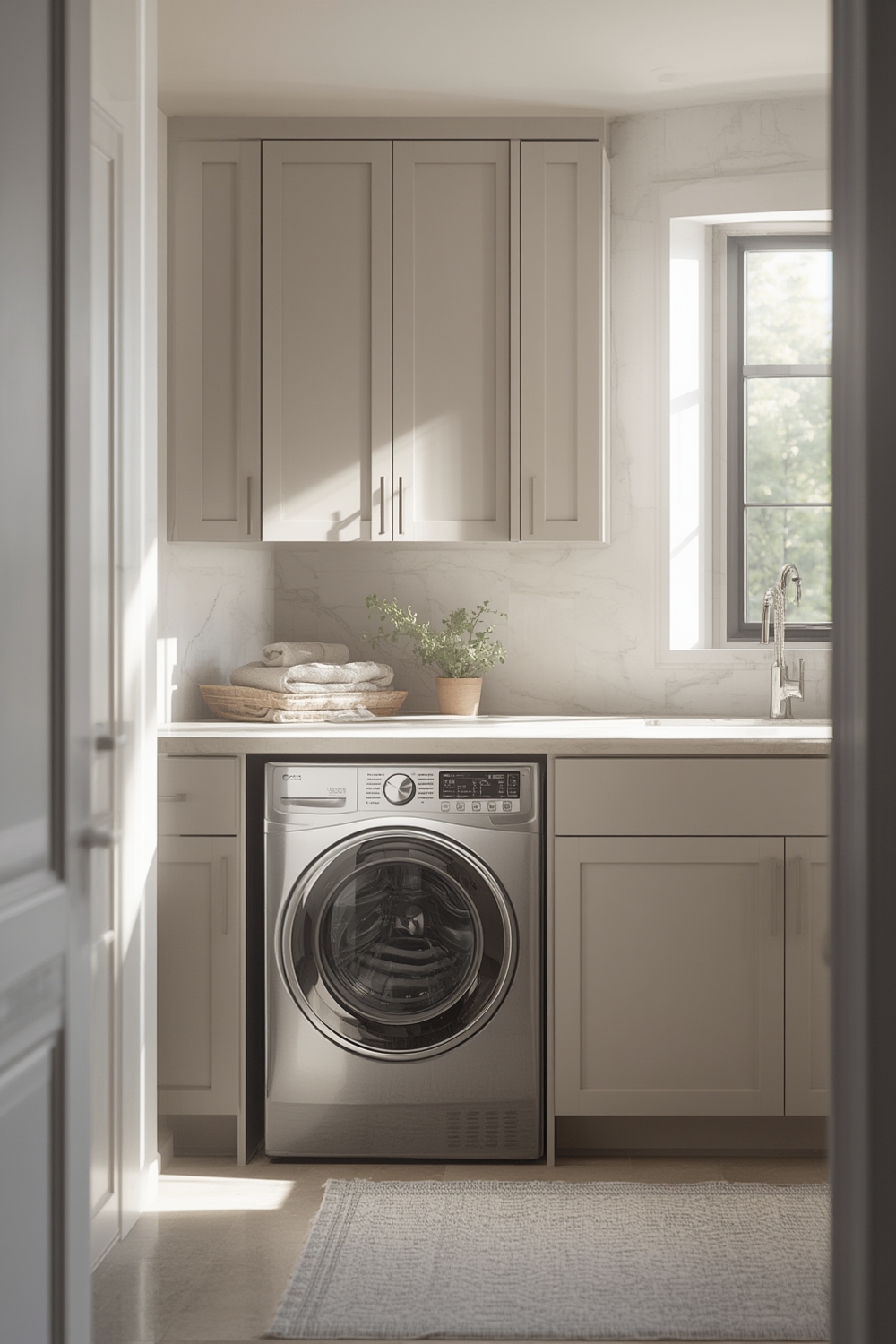
Market momentum for ventless and heat pump dryers continues to accelerate. In 2024, the global ventless heat pump dryer market hit $5.4 billion, with adoption especially strong in apartments, condos, and multi-family homes where venting is often impossible or prohibited (source). Beyond flexibility, these machines typically use 20-50% less energy than standard electric dryers, helping you save hundreds in lifetime costs (see advanced analysis below).
For anyone planning a laundry room remodel or needing to deal with tricky space constraints, a ventless dryer is one upgrade with real long-term impact.
Step-by-Step Guide: How to Install a Ventless Dryer (Heat Pump or Condenser)
Ventless dryer installation is refreshingly DIY friendly—especially compared to vented models that require exterior ducting. Here’s a realistic process that homeowners, renters, or even landlords can follow:
- Pick the Location:
- Choose a flat, stable floor surface near a suitable power outlet (120V or 240V depending on dryer model).
- Ensure there’s enough space for airflow (at least 2 inches on the back and sides) and easy access to the water reservoir or drain hose.
- Prepare Power & Drain:
- Most ventless dryers require a standard dedicated power line (check if it’s 120V or 240V). Some heat pump units run on 120V.
- For models with a built-in water tank, simply empty the reservoir after each cycle. If available, connect the supplied drain hose to a floor drain or sink drain for automatic operation.
- Move and Level the Dryer:
- With help, carefully move the ventless dryer into position. Level it by adjusting the feet, which is crucial to reduce vibration and noise in daily use.
- Plug In and Test:
- Plug the dryer into its own outlet (never a shared power strip). Power up the machine and run a brief test cycle without clothes to confirm correct startup and drainage.
- Optional: Stack Kit or Accessibility Features
- Consider a stacking kit if pairing with a front-load washer or safe anchoring if the dryer is in a high-traffic location.
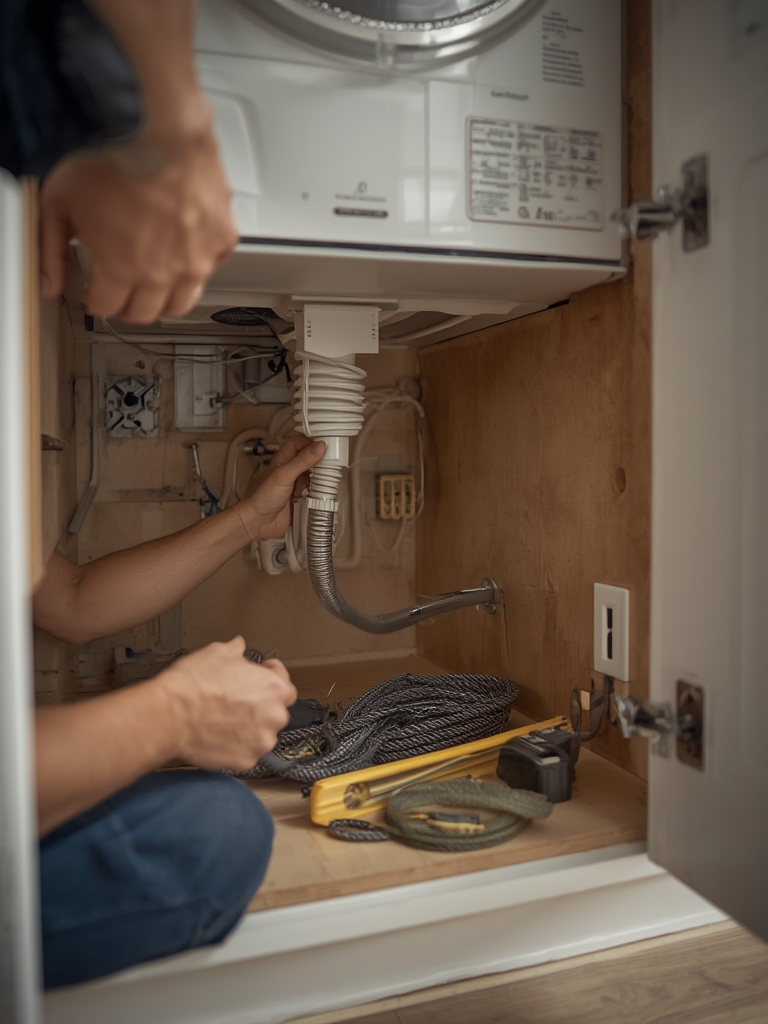
Once installed, review your instruction manual for periodic cleaning of filters and the heat exchanger. If you’re setting up a new laundry space, you may also want to coordinate storage around the dryer, just as you would with a walk-in pantry renovation or custom built-in storage project.
Advanced Analysis & Common Pitfalls: What the Research Shows
Despite the promise of “plug and play” installation, certain pain points still trip up first-time installers—particularly in cramped apartments and older homes. Here’s what the latest research and market reports reveal:
Top Installation Challenges for Ventless Dryers
- Drainage Limitations: Connecting a drainage hose can be difficult if there’s no nearby floor drain or sink, which may force you to manually empty the water reservoir after every load.
- Electrical Compatibility: Some heat pump dryers use 120V (standard), while others need a 240V outlet—mistakes here can stall your install or even damage the unit.
- Noise & Vibration: Improper leveling or installing on a flimsy floor can increase noise, sometimes making the dryer disruptive in small living spaces.
- Space Crunch: Units typically range from 24″ to 27″ wide, but doors/hallways in some apartments may be even tighter. Plan in advance like you would for an accessible bathroom remodel.
Ventless vs. Vented Dryers: Pros, Cons, and Cost Comparison
| Feature | Ventless Dryer (Heat Pump/Condenser) | Vented Dryer |
|---|---|---|
| Installation | Easy; no vent or ductwork needed | Requires vent to the outside; major labor in retrofits |
| Placement | Anywhere with power & drainage | Only near exterior walls or with long venting |
| Energy Use | 50% less (heat pump); $500–$950 savings over lifetime (ENERGY STAR data) | Standard; higher long-term operating costs |
| Drying Time | Usually longer (slower cycles to save energy) | Faster drying (higher energy use) |
| Maintenance | Clean lint filter and condenser coils monthly; | Clean lint trap; periodic vent cleaning needed |
| Upfront Cost | Higher; but growing rebates available (see incentives) | Lower initial cost |
| Water Usage | Some condenser models use water for cooling | No water use |
| Noise Level | Quiet, but may hum/vibrate if not leveled | Louder exhaust but quicker operation |
| Laundry Room Flexibility | Ideal for tiny homes, apartments, mobile homes, RVs | Limited to areas with venting access |
For model-specific specs, reputable brands in the U.S. include GE (Profile UltraFast Combo), Summit, Danby, Beko, and LG—all with ENERGY STAR options. As of 2024, about 31% of U.S. households have access to heat pump dryer rebates through midstream utility programs, covering major states but with eligibility and amounts varying widely. Check local utility pages for up-to-date details.
Energy savings are clear: typical heat pump dryers outperform even ENERGY STAR standards by 50%, saving 149–391 kWh/yr, or $540–$963 for the appliance’s life. Some all-in-one washer/dryer combos can save even more—up to $1,500—plus thousands of gallons of water if replacing inefficient vented setups (ENERGY STAR source).
Planning to upgrade other home systems? Pairing a ventless dryer with heat pump water heater incentives or modern energy-efficient windows can multiply total savings and comfort.
Conclusion: Is Ventless Dryer Installation Worth It?
For homes, apartments, and even mobile residences where exterior venting isn’t practical (or allowed), ventless dryer installation offers long-term savings, flexibility, and greener laundry. Expect a higher upfront price tag, but with expanding rebates and lifetime energy savings often topping $500, this is one upgrade that typically pays for itself in just a few years—especially for households running frequent loads.
If you’re rethinking how to maximize storage and energy use in your laundry or utility room—as in a well-planned walk-in pantry renovation—the adoption of a ventless dryer can be both practical and cost effective. Ready to get started with your ventless dryer installation? Check local rebates and shop for ENERGY STAR models today to begin saving energy, money, and hassle.
Frequently Asked Questions
Do ventless dryers need a vent or duct to the outside?
No, ventless dryers condense or extract moisture internally so all they need is a power supply and either a reservoir for collected water or a connection to a drain. No external vent is required, making them ideal for apartments or rooms without ductwork options.
How often do I need to empty the water tank on a ventless dryer?
If your dryer doesn’t have a direct drain hose, you’ll need to empty its water reservoir every 2–3 loads (or as indicated by your model’s alert light). Some heat pump dryers even let you hook up the hose for automatic drainage.
Are ventless dryers slower than vented dryers?
Yes, heat pump and condenser dryers usually take longer to fully dry clothes to achieve energy savings. Plan on cycles that may last 20–40% longer, especially for bulky loads or towels.
What is the typical cost difference for installing a ventless versus a vented dryer?
Ventless dryers cost more up front (often $300–$900 more), but installation is cheaper and easier since you avoid cutting walls or installing ducts. Over a 5-year period, lower utility bills typically offset the initial price difference, especially if you receive a rebate.
Do ventless dryers require more maintenance than vented models?
Maintenance is similar in most ways, but you’ll need to wash or vacuum the heat exchanger (condenser coil) several times per year to maintain optimal efficiency. Lint filters need regular cleaning for both types. No exterior vent means one less component to worry about.
—