
Induction cooktop retrofit is quickly becoming the go-to option for homeowners wanting better kitchen efficiency and safety, but retrofitting is not always straightforward or cheap. Here’s what you really need to know if you’re thinking about making the switch from gas to induction without regret.
Key Takeaways
- Upgrading from gas to induction can cost $1,500–$2,500+, mainly due to high-end appliance and electrical upgrade needs.
- Older homes typically require expensive panel upgrades and rewiring before induction is possible—plan ahead.
- Cookware compatibility and hidden labor costs are the major pitfalls in most induction cooktop retrofit projects.
- What Is an Induction Cooktop Retrofit and Why Do It?
- How to Retrofit Your Kitchen for Induction: Step-by-Step Guide
- Advanced Analysis and Common Pitfalls: Cost, Electrical Issues, and More
- Conclusion
- Frequently Asked Questions
What Is an Induction Cooktop Retrofit and Why Do It?
An induction cooktop retrofit means replacing your existing gas or electric cooktop with a modern, energy-efficient induction unit. Homeowners are increasingly considering this switch for several reasons—energy savings, improved safety, and anticipated policy changes affecting gas appliances. Induction technology uses electromagnetic energy to directly heat your cookware, resulting in quicker heat-up times and reduced wasted energy. However, the retrofit is more than just a plug-and-play swap for most homes.
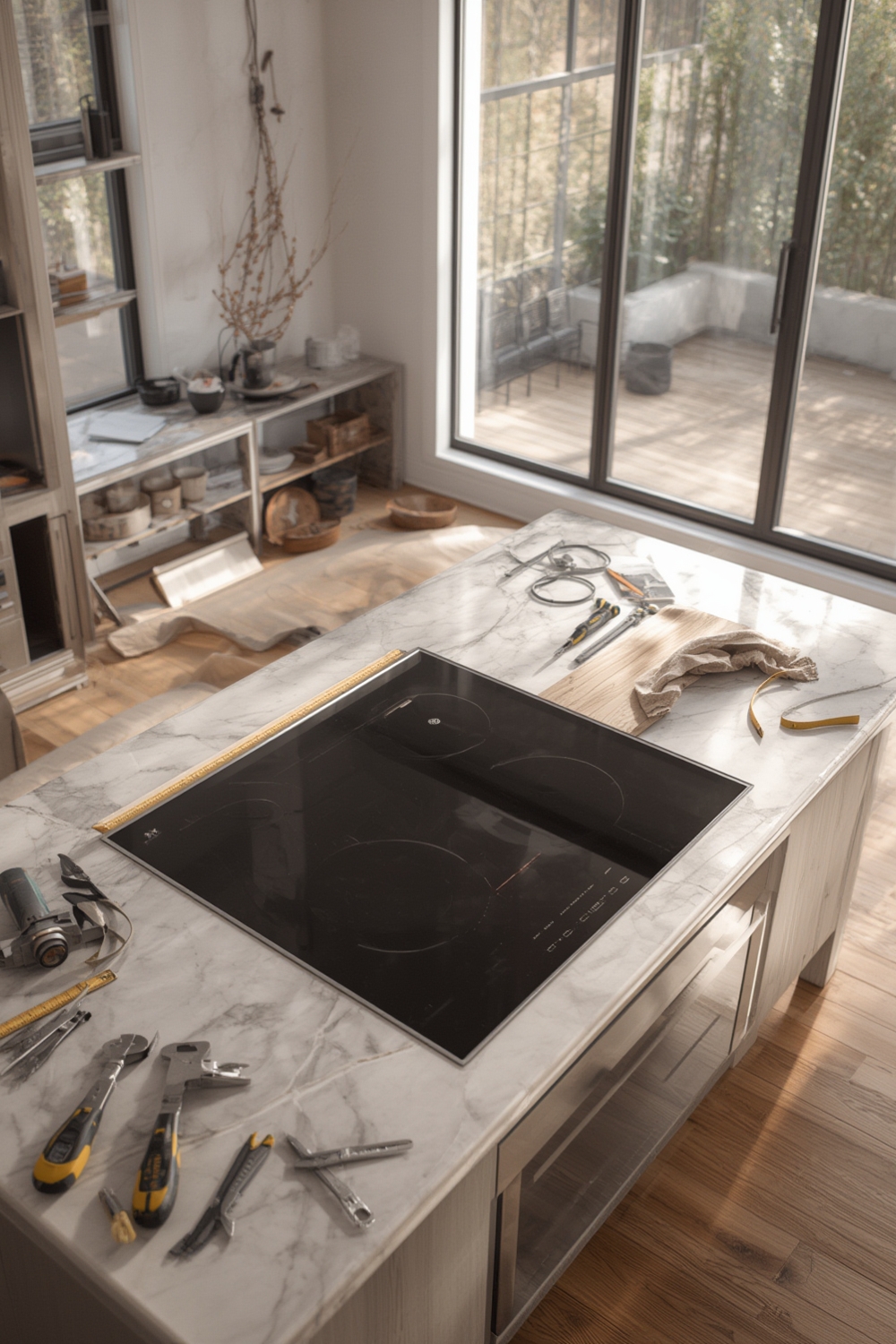
The biggest motivator for retrofitting is the combination of future-proofing your home, lowering your utility bills, and boosting kitchen safety. Induction cooktops remain cool to the touch, dramatically reducing risks of burns and kitchen fires. With some states and cities moving towards restrictions on new gas hookups, retrofitting now could help your home comply with future ordinances, increasing its resale value and appeal. Induction has also proven to be more energy efficient—studies estimate up to 800 dollars in annual utility savings compared to gas.
If you’re aiming for a modern, efficient, and safe kitchen, an induction cooktop retrofit is one of the best upgrades you can make, provided you’re prepared for the cost and the specific installation challenges involved.
How to Retrofit Your Kitchen for Induction: Step-by-Step Guide
Converting from gas or electric to induction sounds simple, but it requires careful planning and expert work. Here are the essential steps to avoid costly mistakes and delays.
- Assess Your Electrical System
– Does your panel have enough amperage? Induction units require a 40A, 240V dedicated line. If your panel is outdated or near maximum load, prepare for an upgrade that can run $1,500 or more ([source](https://localperthelectrician.com.au/cooktop-installation-cost/)).
– In newer homes, the infrastructure often exists. Just confirm with a licensed electrician. - Calculate Total Retrofit Costs
– Appliance: $300–$3,000+ (higher with premium brands).
– Installation labor: $500–$1,200 (specialized wiring needed).
– Electrical upgrades: $200–$1,500+ if you need circuit or panel work.
– Countertop or cabinetry mods: Variable, expect extra if your new unit is a different size. - Plan for Demolition and Prep
– Disconnect gas lines and cap off safely (professional required).
– Remove the old unit and check fit for new cooktop.
– Plan patching or resizing for countertops if needed (see countertop retrofit tips). - Install Electric Circuit and Outlet
– Run a 40A, 240V line from the panel if not present. Install a dedicated outlet.
– Expect $200–$800 for this step if wiring is short and access is good—up to $1,500+ with panel work or hard-to-reach locations ([source](https://www.angi.com/articles/how-much-does-it-cost-install-appliance.htm” target=”_blank” rel=”noopener”>Angi.com)). - Select Cookware
– Induction only works with magnetic cookware (cast iron, stainless steel). Budget for some new pots and pans if yours are aluminum or copper. - Install the Induction Cooktop
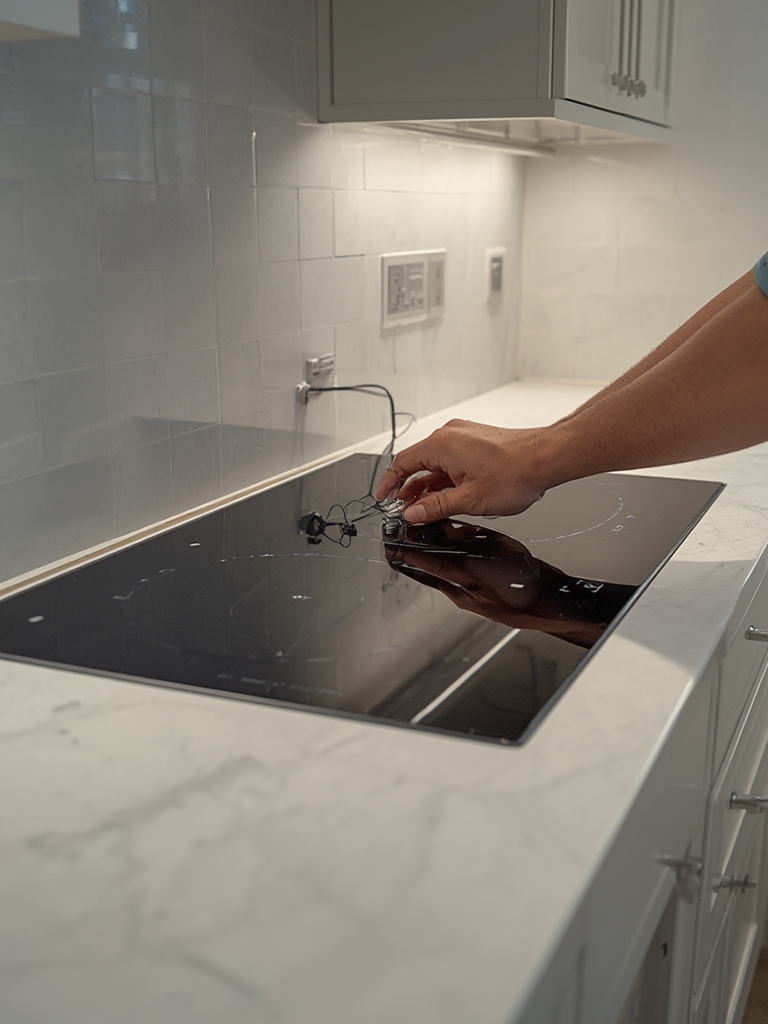
– Professional installers will set, wire, and test the appliance. DIY installation is not recommended—incorrect wiring is a fire hazard.
– Review all safety checks, and keep the documentation.
- Dispose of the Old Cooktop
– Local regulations may apply. Gas stoves often require special pick-up. - Test and Adjust
– Run the cooktop through all settings. Test all burners and make sure the breaker holds. If you’ve upgraded other electrical appliances, check the overall system’s stability. - Optimize Your Kitchen Workflow
– Reorganize drawers and storage around your new setup (combine with a walk-in pantry renovation for maximum efficiency).
Advanced Analysis and Common Pitfalls: Cost, Electrical Issues, and More
Induction is a future-proof investment, but homeowners consistently underestimate the real-world retrofit hurdles. Here’s an honest breakdown of advanced issues and money traps to sidestep.
| Aspect | Induction Retrofit | Gas (New Install) |
|---|---|---|
| Total Typical Installed Cost | $1,500–$2,500+ (with panel/countertop mods) |
$400–$2,000+ (higher if new gas line needed) |
| Electric Panel Upgrade | Required in older homes ($1,500+) | Not needed |
| Cookware Change | Often required (unplanned $100–$500) | No |
| Long-term Energy Efficiency | Excellent (up to $800/year savings) | Lower; no annual savings |
| Safety | Surface stays cool; no open flame | Open flame; needs strong ventilation |
| Typical Pitfalls |
|
|
Cost Overruns: The most common retrofit killer is discovering the need for a costly panel upgrade or new wiring after you’ve already bought the induction unit. Always have an electrician assess your capacity before purchase ([see detailed cost breakdown](https://www.angi.com/articles/how-much-does-it-cost-install-appliance.htm” target=”_blank” rel=”noopener”>Angi.com)).
Cookware Surprises: Many homeowners don’t realize induction needs magnetic pots and pans. Test yours with a magnet sticks to the base or budget for new sets.
Countertop Gaps/Subfloor Damage: Removing a heavy gas cooktop can reveal damaged or uneven surfaces. You may need carpentry or countertop work. Use this as a chance to improve layout or upgrade materials (see our natural wood cabinetry guide for inspiration).
Performance/Safety: While no multi-year studies are available, short-term data consistently shows induction as safer and more energy efficient. No direct complaints about induction itself are widely reported; user frustration usually stems from single-phase wiring confusion or incompatible cookware.
Conclusion
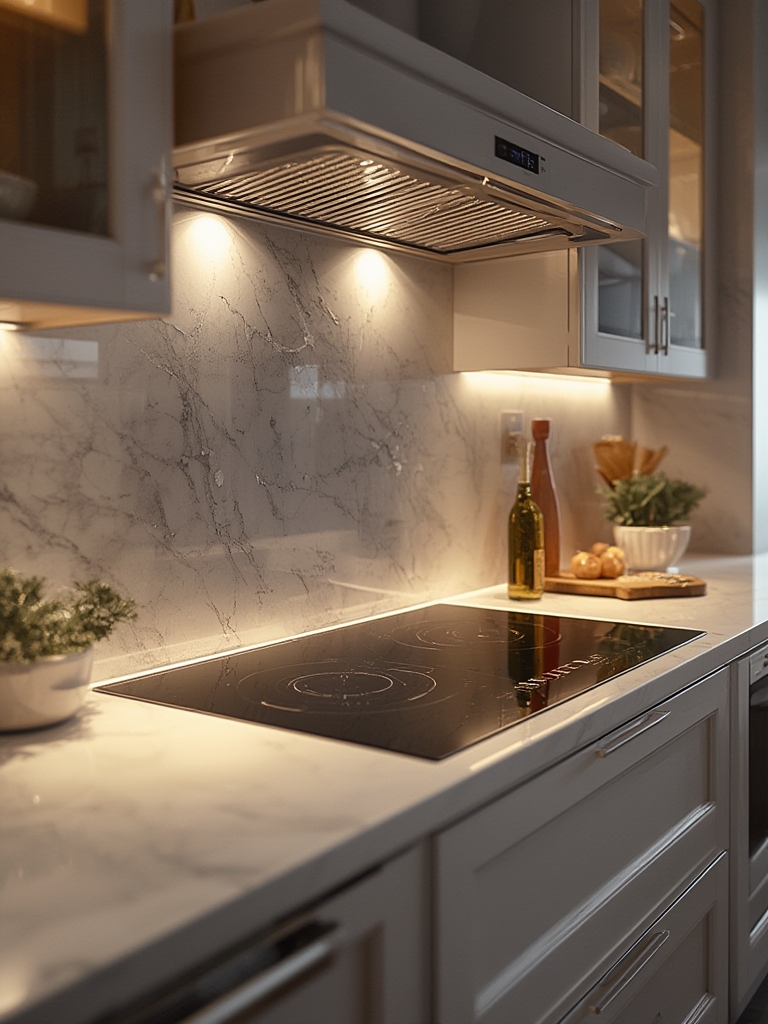
Switching to an induction cooktop retrofit can make your kitchen faster, safer, and more eco-friendly. But don’t underestimate the complexity—hidden costs and technical surprises can easily derail a project if you don’t plan ahead. Always include a professional panel assessment, budget for new cookware, and consider packaging multiple electrical upgrades together for the best value. Ready to future-proof your kitchen? Start your induction cooktop retrofit with eyes wide open and you’ll enjoy the rewards for years to come. Contact a qualified electrician or kitchen remodeler now to get a personalized upgrade plan.
Frequently Asked Questions
How much does it cost to retrofit for induction if my home is older?
Usually $1,800–$2,800 if you need a panel upgrade and new wiring. In some cases, costs can reach $3,000 or more if your kitchen walls or countertops need modification as well. Always get a detailed quote from an electrician before ordering appliances.
Can I use my existing pots and pans on an induction cooktop?
If a magnet sticks to the base, your cookware will probably work. Aluminum, copper, and some cheaper stainless steel pots won’t. You may need to replace some or all of your cookware—plan for this expense.
Is an induction cooktop safer than gas or traditional electric?
Yes, induction cooktops remain cool to the touch where there’s no pan, and there is no open flame or direct heating element. This reduces the risk of burns and kitchen fires—a benefit heavily cited by safety experts and insurers.
Do I need a professional to install an induction cooktop retrofit?
Yes. Improper wiring can cause fire hazards or damage the appliance. Use a licensed electrician, especially if you need a new 240V, 40A circuit or panel upgrade. DIY installation is not recommended unless you are a licensed pro.
Does retrofitting for induction increase home value?
It can. Modern, high-efficiency kitchens are a key selling point, especially in cities where new gas installations are restricted. Buyers also appreciate the safer and lower-maintenance aspects of induction.