

### Blog Post:
Cold climate heat pump technology has changed how homeowners in harsh winter regions heat their homes, making all-electric comfort possible even where temperatures drop far below freezing. If you live in an area that once required a gas furnace, you might be surprised at how modern cold climate heat pumps stack up on reliability, efficiency, and total cost.
Key Takeaways
- Today’s cold climate heat pumps perform reliably and efficiently well below 0°F using variable-speed compressors and specialized features such as base pan heaters.
- Actual replacement success rates and owner satisfaction in extreme cold are still underreported—most reviews and sources focus on brand specs instead of real-world data.
- The best models—Mitsubishi, Fujitsu, and Daikin—each have unique strengths but all deliver usable heat in winter extremes that used to be “off-limits” for heat pumps.
- The Core Concept: What Is a Cold Climate Heat Pump and Why Does It Matter?
- Step-by-Step Guide: Choosing and Installing a Cold Climate Heat Pump
- Advanced Analysis and Common Pitfalls (Critical Buyer Insights)
- Conclusion: Are Cold Climate Heat Pumps Worth It?
- FAQ: Cold Climate Heat Pumps
The Core Concept: What Is a Cold Climate Heat Pump and Why Does It Matter?
Cold climate heat pumps are specially designed air-source heat pump systems engineered to work efficiently at temperatures much lower than traditional models. Unlike older heat pumps, which struggled when outside air dropped below freezing, these units use advanced variable-speed compressors, better refrigerants, and enhanced defrost cycles to keep homes warm even at minus 15°F or lower.
For homeowners in northern states, Canada, or anywhere with a long, hard winter, this means a genuine alternative to oil, propane, or gas heating. No more combustion appliances, much lower utility bills, and potential for rebates make cold climate heat pumps a compelling upgrade.
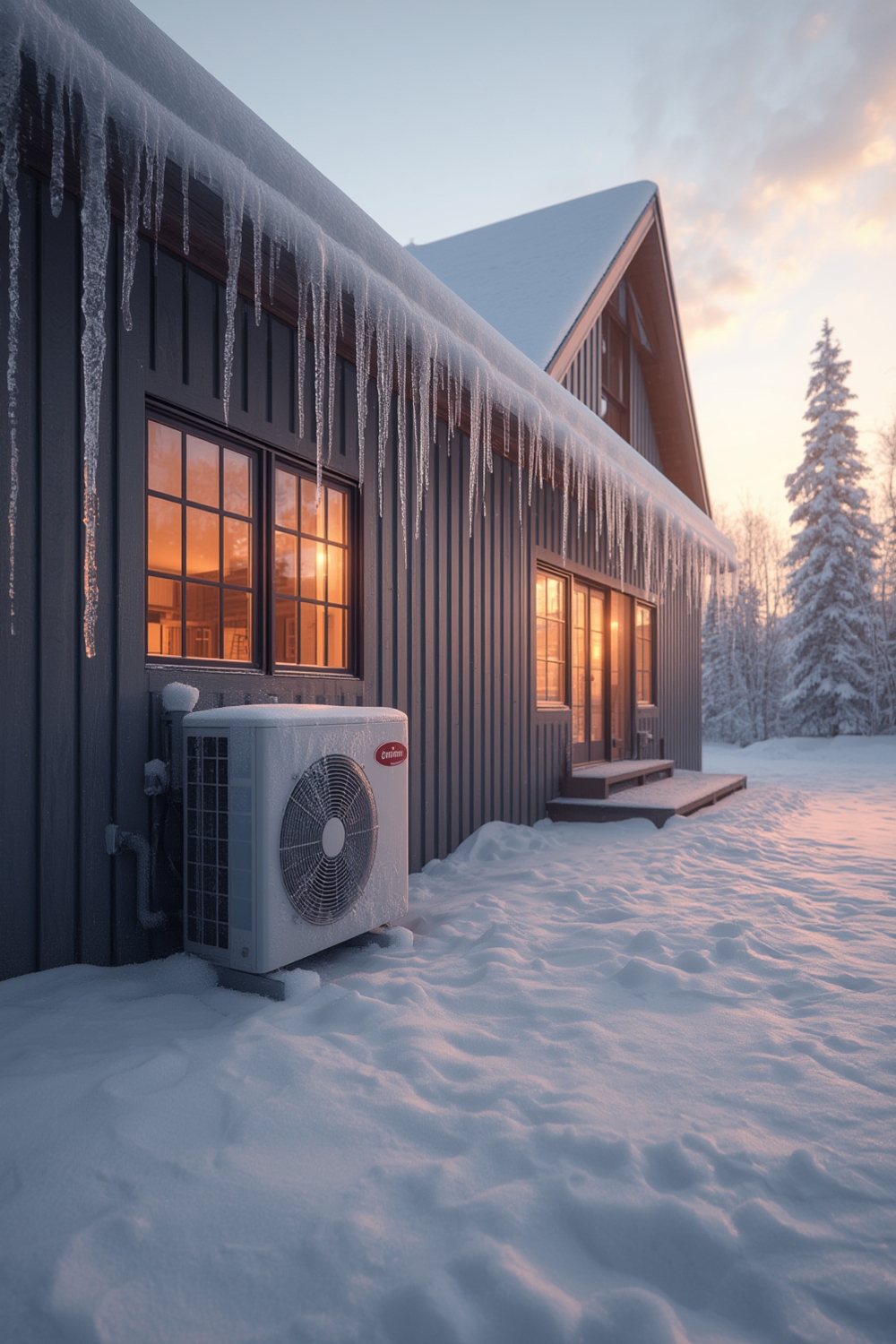
When planning major upgrades—whether you want to remodel a walk-in pantry or invest in energy-efficient windows—reducing energy consumption will always improve comfort and lower costs. Cold climate heat pumps directly address these needs for homeowners battling subzero temperatures.
You can find detailed technical comparisons and performance specs in authoritative research on brands like Mitsubishi, Daikin, and Fujitsu by reading this review: Mitsubishi vs. Daikin vs. Fujitsu Heat Pump Comparison NY.
Step-by-Step Guide: Choosing and Installing a Cold Climate Heat Pump
Here’s exactly how to evaluate, size, and install a cold climate heat pump that will work for the long term:
- Get a Proper Load Calculation: Don’t rely on rules of thumb or square footage estimates. Use a Manual J heat load calculation, factoring in R-values, window quality, and air tightness.
- Specify a True Cold Climate Model: Mitsubishi Hyper Heat (H2i), Daikin Aurora, and Fujitsu XLTH+ all retain heating capacity at -15°F or colder. Compare their rated capacities at the minimum winter temperature in your town.
- Check for Local Rebates and Climate Incentives: Programs like the US IRA, local utility rebates, and Canadian grants can save you thousands. Ask installers to provide recent data or get rebates pre-approved before work starts.
- Vet Your Installer’s Experience: Cold climate heat pump setup is not the same as “normal” HVAC work. Confirm your installer has real projects (with references) and can size linesets, set refrigerant charge in low temperatures, and configure controls for winter.
- Plan for Winter Maintenance: Include a base pan heater or ask for upgraded defrost logic if your area sees ice storms or heavy snow. A simple metal cage or canopy extends outdoor unit life.
- Evaluate Warranty and Service Support: Dealer network size matters. Mitsubishi generally leads, while Fujitsu offers great models but with less robust service in some areas.
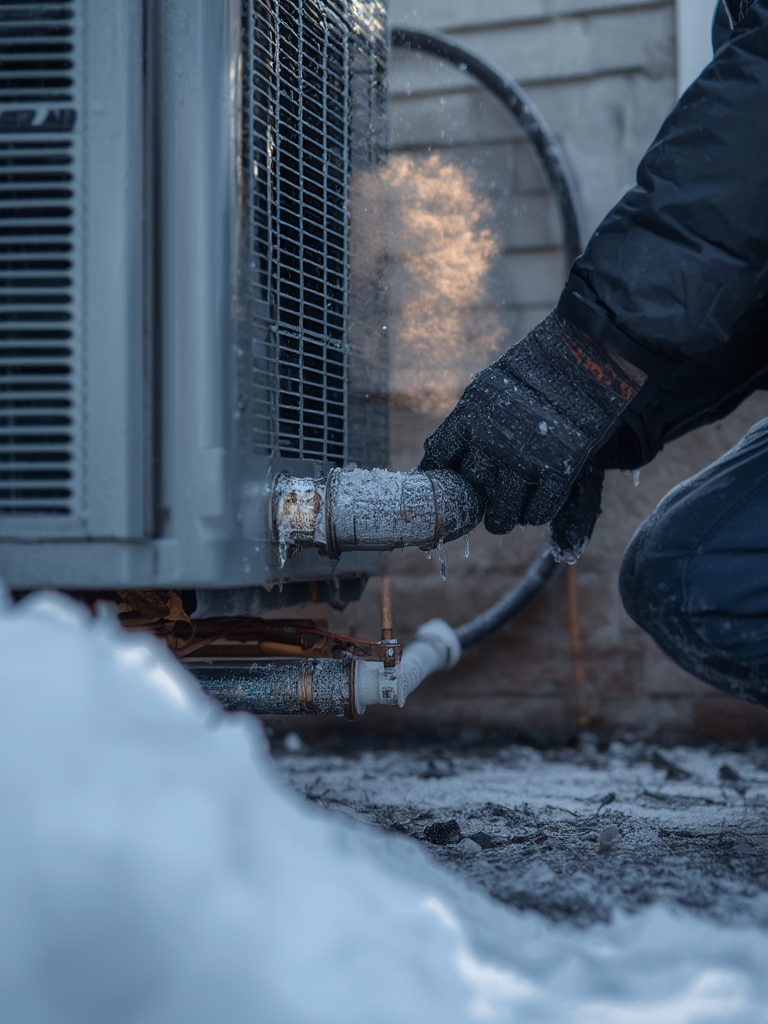
If you’re already upgrading your electrical system—maybe for a home EV charger or smart panel—be sure to assess if your panel has enough room and amperage for a heat pump circuit.
For homes with attached garages or mudrooms, using a garage door replacement project as a bundled upgrade can improve the winter envelope and maximize the value of your new system.
Finally, explore adding a whole home battery backup for security during severe weather and potential grid outages—especially important if heating is all-electric.
Advanced Analysis and Common Pitfalls (Critical Buyer Insights)
The evolution of cold climate heat pumps has removed many technical barriers, but a few consistent pain points remain that most competitor articles overlook:
- Owner Satisfaction Remains Opaque: There’s no current data showing what percentage of owners have fully and happily replaced their gas system with a cold climate heat pump, especially at -15°F and below. Most brands focus on engineering specs, not real-world user outcomes (source).
- Installed Costs Are Still a Big Unknown: Despite interest in rebates and incentives, up-to-date numbers for fully-installed system costs (after rebates) are hard to find and vary by city (source).
- Snow and Ice Remain Challenges: Even the best cold climate heat pumps can lose efficiency if outdoor units are buried in snow or ice. Features like base pan heaters, defrost sensors, and durable coil design help, but real-world data on “normal” winter disasters is lacking. Fujitsu addresses this more directly with their pan heater, frost sensor, and ProCore coils (source).
If you live in remote or rural regions, be aware that dealer network size—especially for parts and emergency service—matters. Not all brands have equal support coverage.
| Brand/Model | Max SEER2 | Max HSPF2 | Low-Temp Capacity | Warranty (Parts) | Key Strengths in Extreme Cold |
|---|---|---|---|---|---|
| Mitsubishi H2i | 25 | 12 | 100% to 5°F; 76% at -13°F | 12 years | Proven reliability, quiet (34dB), largest network |
| Daikin Aurora | Up to 21 | Up to 12.5 | 100% to -4°F | 10-12 years | Efficient, compact, uses R-32 |
| Fujitsu XLTH+ | 33.5 | 14.2 | 100% at -15°F; 90% at -22°F | 12 years | Base pan heater, frost sensor, best for extreme lows |
The technical advances that separate “just okay” from “genuinely reliable” are:
- Variable-speed compressors (continuously adjust capacity to match changing heating demand at low temps)
- Enhanced defrost logic and frost sensors (critical for preventing ice buildup and efficiency loss)
- Base pan heaters and specialized coil coatings (fight freeze-thaw damage and ensure longevity)
Most systems continue working at -13°F or even -22°F, but output will typically drop to 75–90% of rated capacity. Some loss of efficiency—especially during multi-day blizzards or ice storms—is realistic, so plan for backup heat in remote, high-risk regions.
If you want your new heat pump to handle snow or sudden cold snaps, look for field-tested features like those on the Mitsubishi Hyper Heat or Daikin Aurora units.

Conclusion: Are Cold Climate Heat Pumps Worth It?
Cold climate heat pumps are now a viable, practical alternative to fossil-fuel heating in regions with real winters. You won’t find perfect real-world satisfaction data, but the performance science is established—these systems deliver usable heat even as temps plunge below -15°F, and the best models back this up with industry-leading warranties.
If you’re replacing old heating as part of a home improvement like an indoor-outdoor living space or want to control costs in a pantry remodel, investing in a cold climate heat pump can pay off for comfort, energy savings, and sustainability.
Ready to take the next step? Research rebates, get a load calculation, and talk to a reputable installer about how a cold climate heat pump could make your home cleaner and more comfortable year-round.
FAQ: Cold Climate Heat Pumps
How cold is too cold for a cold climate heat pump to provide heat?
Leading cold climate heat pumps like Mitsubishi Hyper Heat and Fujitsu XLTH+ are rated to deliver 100% of their heating capacity at -15°F and can still deliver usable heat even as low as -22°F. Below these extremes, backup heat is smart, but most homeowners rarely experience full capacity loss.
Do I need a backup heating system with a cold climate heat pump?
In very cold or rural areas prone to power outages, a small backup (electric, gas, or wood stove) is a wise precaution. In milder climates or with best-in-class models, most homeowners can use a cold climate heat pump as their sole source of winter heat.
How much does it cost to install a cold climate heat pump?
Installed costs for top models (including rebates) vary from about $7,000 to $16,000+ in North America, depending on system size and home complexity. Local rebates can offset this by thousands. Always get itemized proposals.
What maintenance does a cold climate heat pump require in heavy snow?
Keep the outdoor unit clear of snow and ice, schedule yearly professional maintenance, and inspect for any blockages after storms. If installed above snow line and protected with a canopy, many issues can be avoided.
Which brands are best for extreme cold performance?
Mitsubishi Hyper Heat, Fujitsu XLTH+, and Daikin Aurora rank best for deep winter use, based on published performance data and field experience. Service support and warranty can be just as important as raw specs.
—