

Whole home water filtration system installations are becoming more common as homeowners face rising concerns about PFAS, chlorine, and mineral buildup in their tap water. If you want safer, cleaner water at every tap—not just the kitchen—it pays to understand what these systems actually do, what they do not, and how they truly compare to under-sink options. Here’s a realistic look at the stats, steps, and hidden downsides for 2025.
Key Takeaways
- PFAS were found in up to 45% of U.S. tap water in 2024, according to a major USGS study, but no current data confirms how effective whole home filtration is at removing them.
- Installation of a whole home water filtration system demands realistic budget expectations; true costs go beyond just the system purchase.
- System certifications for PFAS removal are lacking in the U.S.—most consumer models do not carry official third-party standards for these contaminants as of 2025.
- What Is a Whole Home Water Filtration System?
- How to Install a Whole Home Water Filtration System (Step-by-Step)
- Advanced Analysis & Common Pitfalls
- Conclusion
- Frequently Asked Questions
What Is a Whole Home Water Filtration System?
A whole home water filtration system is a water treatment solution installed at the point where water enters your house. Its purpose is to filter contaminants—like PFAS, chlorine, and hard minerals—before water reaches your faucets, showers, and appliances. Unlike under-sink systems that serve just one fixture, whole house filters treat every drop of water you use.
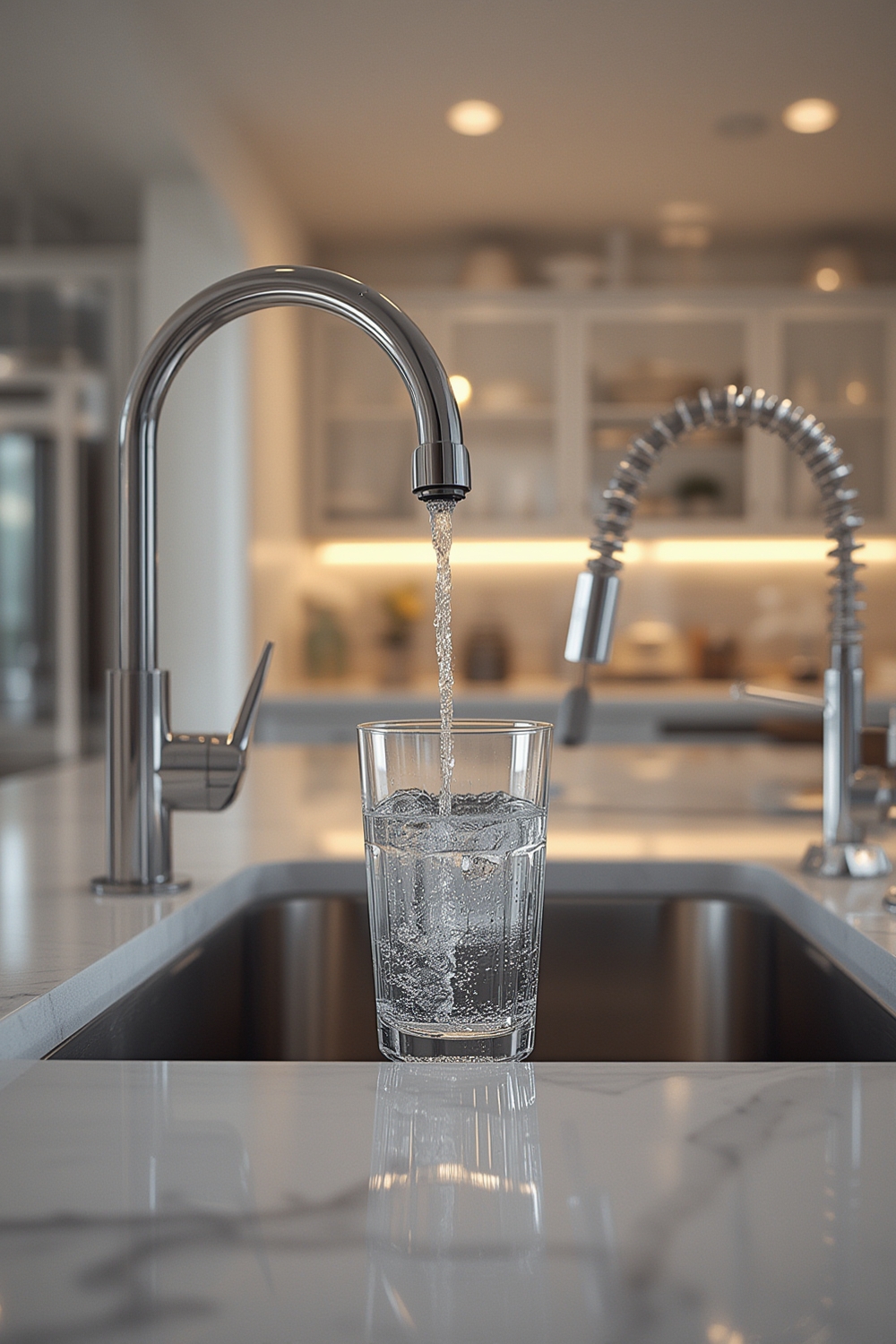
Why does this matter? In 2024, USGS research found that nearly half of U.S. tap water samples contain at least one PFAS contaminant. The EPA’s new 2024 rules set strict limits for these chemicals, but they require monitoring of public utilities, not your private home filter. Similarly, byproducts from chlorine (like TTHMs) and hard minerals (such as calcium and fluoride) are widespread in U.S. water. Filtering at the source helps reduce these risks across the whole house, protecting your skin, clothes, plumbing, and appliances, not just your drinking water.
Want to further maximize healthy living at home? Check out our guide on indoor air quality monitors for another layer of protection.
How to Install a Whole Home Water Filtration System (Step-by-Step)
Ready to tackle better water for your household? Here’s how to approach a whole home water filtration project—even as a homeowner without plumbing experience:
- Test your water. Order a certified lab test to identify PFAS, chlorine, hardness, and other contaminants. Your needs may vary by water source and location. The most accurate information comes from a regionally appropriate, third-party lab.
- Research system types. Options include activated carbon tanks (for organics and chlorine), multi-stage filters (for sediment and combinations), salt-based softeners (for hardness), and hybrid units. Most PFAS removal claims are for certain carbon or reverse osmosis media—but reliable consumer performance data for whole home systems is still unavailable.
- Check your plumbing layout. Whole house systems must be installed where water enters your house, typically before the water heater. Check your pipe size, access points, and enough room for filter housings or tanks.
- Purchase the system. Buy from reputable brands. As of 2025, no consumer-grade whole home filter is officially certified against PFAS by NSF or ANSI standards (EPA source).
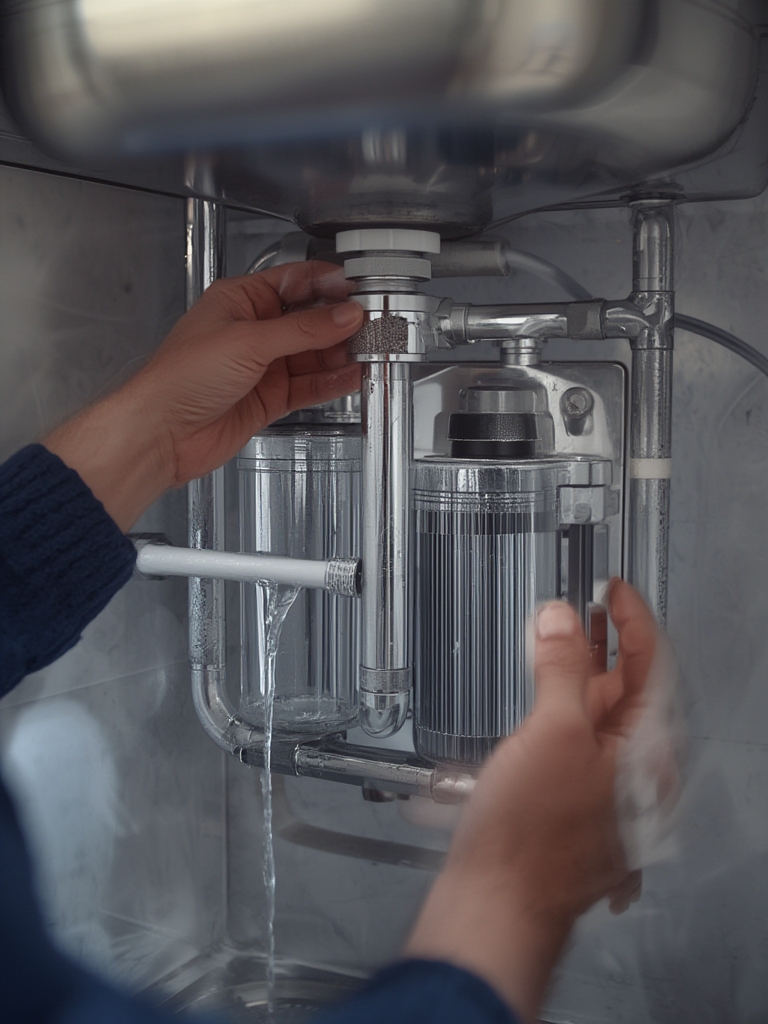
- Professional installation. Unless you are highly experienced, hire a licensed plumber. Whole house systems can cause leaks or pressure drops if improperly installed.
- Replace cartridges or media. Replace cartridges or media on schedule—typically every 6 to 12 months. Set calendar reminders and save a budget line for recurring costs (filters, salt, labor).
- Monitor performance. Retest water at least yearly to be sure your system is still effective, especially as newer contaminants are discovered.
Curious about maximizing other areas of your home? Read our popular post on walk-in pantry renovation for storage optimization tips.
If you’re also focused on energy-efficient water heating, don’t miss our heat pump water heater upgrade guide.
Advanced Analysis & Common Pitfalls
It’s easy to get caught up in the promise of “filtered water everywhere,” but whole home systems aren’t one-size-fits-all. Here’s what you need to know, based on stats and common issues:
Key Pitfalls and Drawbacks
- Unknown PFAS Removal: As of 2025, no reliable consumer data shows how much PFAS a whole house filter removes. EPA test rules cover public utilities, not home units, and most filters aren’t third-party certified for PFAS specifically.
- Pressure Drops: Even a premium system can reduce water pressure, especially during high household demand. Undersized filters or clogged cartridges are common culprits.
- Maintenance Neglect: Systems lose effectiveness fast if filters aren’t changed on-schedule. Set reminders. Neglect risks bacteria or expensive plumbing issues.
- Upfront & Ongoing Costs: While reliable recent cost data is lacking, typical whole home filters range from $900–$5,000+ installed, with $200–$800/year in maintenance—often more for advanced multi-stage or specialty filters.
- No Universal Certification: Models with “NSF/ANSI” or similar marks are typically only certified for chlorine, taste, and odor—not PFAS, which lacks a recognized consumer standard as of 2025.
- Underperforming on Hardness: Standard carbon or sediment filters won’t soften water. If you have hard water, a softener (salt-based or salt-free) is usually required as a separate unit.
For outdoor living upgrades that go hand-in-hand with plumbing or water features, see our outdoor kitchen planning guide for details.
Comparison Table: Whole Home Filtration vs Under Sink RO
| Criteria | Whole Home Filtration | Under Sink RO System |
|---|---|---|
| Treated Water Locations | All taps, showers, appliances | Single tap (e.g., kitchen only) |
| PFAS Removal | Unproven (no certified consumer data) | Some certified for PFAS at POU (not for whole house) |
| Chlorine & Taste/Odor | Commonly effective (certified for many models) | Extremely effective |
| Hard Mineral/Softening | Requires separate water softener | May reduce minerals at one tap only |
| Water Pressure Impact | Possible drop for whole house | No impact outside one tap |
| Ongoing Maintenance | Annual replacements for all treated water | Cartridge changes (one tap) |
| Upfront & Install Cost | $900–$5,000+ installed | $150–$700 (DIY possible) |
For major projects with plumbing or insulation changes, check our tips on crawl space encapsulation to prevent future moisture or mold issues.

Conclusion
Whole home water filtration systems can improve water quality throughout your house, but you must approach this upgrade with clear eyes—especially about realistic contaminant removal, maintenance demands, and cost. As of 2025, whole home systems are not officially certified for PFAS removal. Always test your water, understand your real needs, and work with true professionals. For full-transparency protection—including for PFAS—pairing a whole home water filtration system with point-of-use systems is often your best bet. Ready to get started? Test your water first, and invest where it counts for your health and your home.
Frequently Asked Questions
Will a whole home water filtration system remove PFAS from my water?
As of 2025, most whole house systems are not certified or tested for PFAS removal. While certain activated carbon models may reduce some PFAS chemicals, no published consumer data confirms their real-world effectiveness. For maximum PFAS protection, use a certified point-of-use (POU) filter at the kitchen tap.
How often do I need to replace whole home water filter cartridges?
Most whole home filters require cartridge or media changes every 6 to 12 months, depending on water usage and contaminant level. Ignore scheduled maintenance and your system quickly becomes ineffective.
Is installation a DIY project or do I need a plumber?
Whole house systems are best installed by a licensed plumber. Mistakes with pipe connections, sizing, or pressure can lead to leaks, flooding, or long-term plumbing damage.
What’s the biggest difference between whole home filtration and under-sink RO?
Whole home filters treat all water entering your house, while under-sink reverse osmosis is for drinking water at a single tap. RO systems are generally more effective against a wider range of contaminants, but only at that specific location.
Are there official certifications for PFAS removal on whole home systems?
No. As of 2025, NSF/ANSI and other major standards do not certify whole home systems for PFAS. Only some point-of-use filters have independently tested PFAS reduction claims.