
### Blog Post:
Solar panel roofing shingles are changing how homeowners power their houses and design their roofs. If you’re considering a solar upgrade, you need the unvarnished truth about real-world costs, pros and cons, installation challenges, and where shingles shine (or fall short) compared to standard panels. This guide covers what most top search results miss—so you walk away ready to make a smart investment.
Key Takeaways
- Solar panel roofing shingles have higher upfront costs than traditional panels but offer seamless aesthetics and integrated roofing function.
- Their energy efficiency is generally lower than that of standard solar panels, potentially leading to longer ROI periods.
- Both solar shingles and conventional solar panels qualify for federal incentives, but hidden installation and maintenance challenges may surprise homeowners.
- Solar Panel Roofing Shingles: What They Are and Why Homeowners Choose Them
- Step-by-Step Guide: How to Evaluate and Install Solar Panel Roofing Shingles
- Advanced Analysis & Common Pitfalls
- Conclusion
- Frequently Asked Questions
Solar Panel Roofing Shingles: What They Are and Why Homeowners Choose Them
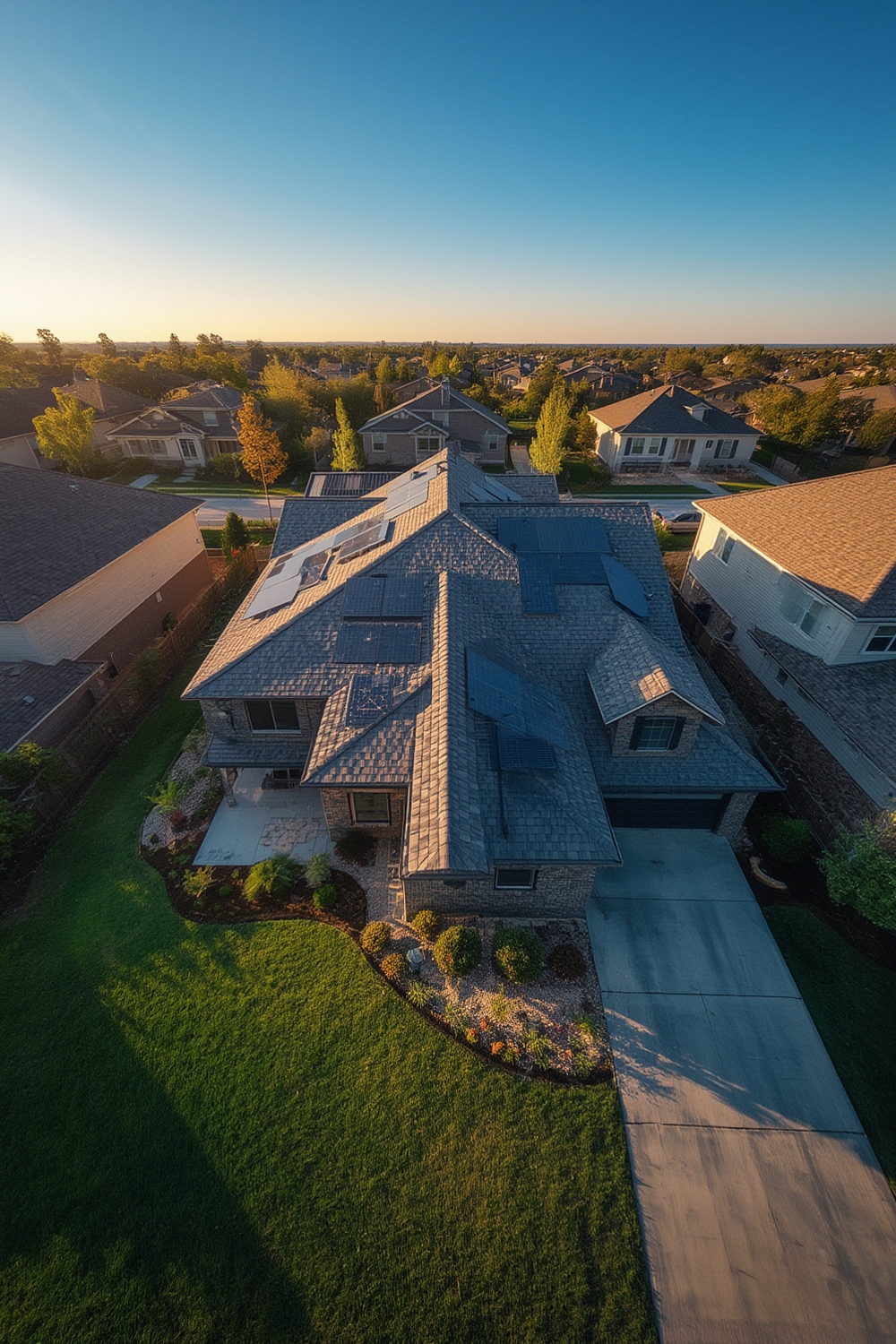
Solar panel roofing shingles, sometimes called building-integrated photovoltaics (BIPV), combine the function of roofing and home solar energy in a single product. Instead of mounting panels on top of a finished roof, these high-tech shingles or tiles replace part (or all) of your existing roofing, generating power and keeping out the elements. Homeowners are drawn to this integrated approach for two main reasons:
- Visual Appeal: Solar shingles blend in with your roofline, unlike bulky racks of panels.
- Dual Purpose: They act as both electricity generators and weatherproof roof material, making them ideal for new builds or full roof replacements.
Brands like GAF Timberline, CertainTeed, SunStyle, Meyer Burger, and Tesla Solar Roof are leading the market. Each promises a streamlined look, increased property value, and decades of clean energy. But the reality is nuanced—costs vary widely, and so does performance.
Step-by-Step Guide: How to Evaluate and Install Solar Panel Roofing Shingles
Switching to solar panel roofing shingles is a major home upgrade. Here’s how to make an informed decision—and avoid the biggest pitfalls.
-
Decide If Shingles or Standard Panels Fit Your Goals
- Is seamless curb appeal essential or are savings and performance your top priority?
- Is your roof due for replacement anyway?
-
Compare Brand Pricing and Efficiency
-
Expect installed costs for solar shingles between $15 and $35 per square foot, with premium brands like Tesla reaching $60–$62 per square foot and mainstream options like GAF and CertainTeed in the $12–$21 per square foot range. For reference, panels run much less, averaging $3.33 per watt installed.
Get more details here. - Energy output (efficiency) averages 12–15% for most shingles and up to 15.4 W per square foot for Tesla Solar Roof, which is still lower than most mounted panels.
-
Expect installed costs for solar shingles between $15 and $35 per square foot, with premium brands like Tesla reaching $60–$62 per square foot and mainstream options like GAF and CertainTeed in the $12–$21 per square foot range. For reference, panels run much less, averaging $3.33 per watt installed.
-
Check Your Incentives
- Federal Investment Tax Credit covers both shingles and panels, plus many states and utilities offer rebates. Incentives don’t distinguish between BIPV and standard solar, so you’ll save either way.
See how tax credits work.
- Federal Investment Tax Credit covers both shingles and panels, plus many states and utilities offer rebates. Incentives don’t distinguish between BIPV and standard solar, so you’ll save either way.
-
Assess Your Roofing Situation and Site
- Solar shingles are best for new roofs. If your roof is near the end of its life, combining replacement with solar makes economic sense.
- Assess Your Roofing Situation and Site with a thermal camera to check for heat loss or hidden roof issues before installation.
- Shingles often can’t be easily removed and reused like panels if you need repairs later.
-
Vet Installers Carefully
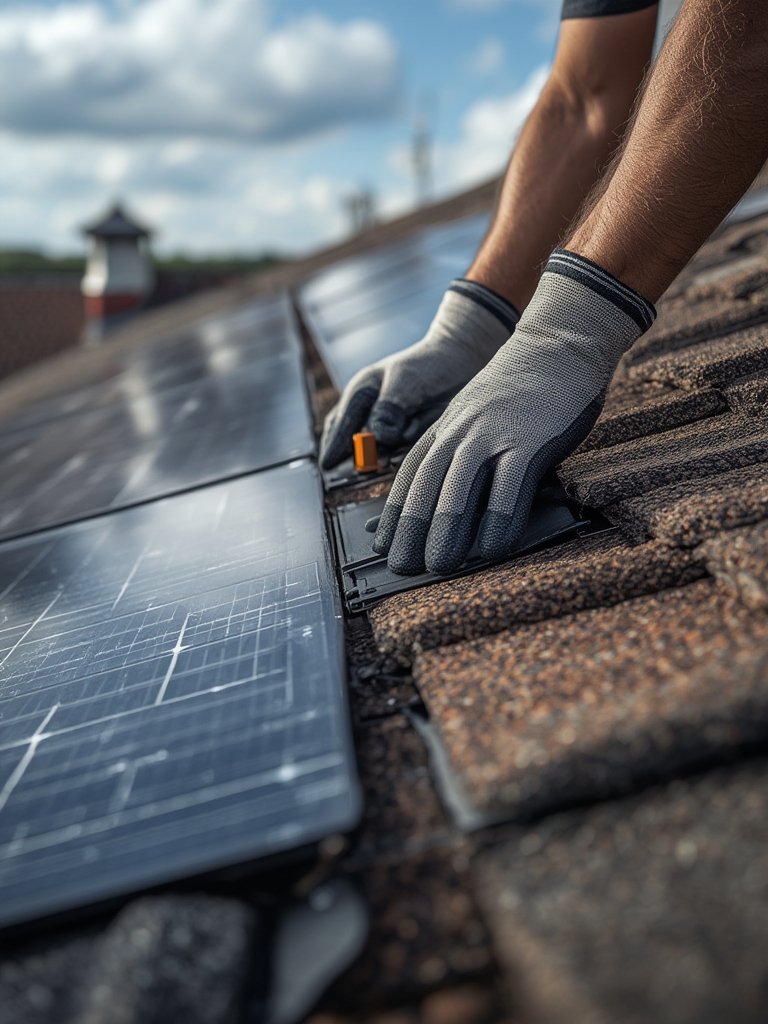
- Vet Installers Carefully with tools like a clamp meter for on-site solar checks. Look for roofers and electricians with specific experience in solar shingles. Installation is highly specialized—about 60% of your cost is labor, especially for steep or complex roofs.
Learn about labor expectations.
- Vet Installers Carefully with tools like a clamp meter for on-site solar checks. Look for roofers and electricians with specific experience in solar shingles. Installation is highly specialized—about 60% of your cost is labor, especially for steep or complex roofs.
-
Get Warranties and Insurance in Writing
- Some brands (like Tesla and GAF) offer integrated product and power guarantees, but details vary. Double check what’s covered—roof, electrical output, corrosion, hail, and installer workmanship.
-
Finalize Permits and HOA Approvals
- Most states treat BIPV like standard solar for permitting, but confirm with your local building or HOA office. Approval timelines can delay installation.
If you’re exploring other high-ROI home upgrades in addition to solar shingles, check out our guides on indoor-outdoor living space and energy-efficient windows for more ideas that combine curb appeal with utility savings.
Advanced Analysis & Common Pitfalls
Solar panel roofing shingles offer unique advantages but also bring real-world obstacles that traditional panels often avoid. Here’s what industry data and reports reveal:
Cost Breakdown and Hidden Expenses
While solar shingles average $15–$35 per square foot (and Tesla Solar Roof can exceed $60 per square foot), the total investment—including tear-off, underlayment, electrical upgrades, and structural work—can end up 15%–25% higher than a standard solar plus roofing combination. Labor is a massive share (60% or $13–$15 per square foot), particularly for steep or multi-story homes.
Efficiency and Output Limits
Most solar shingles deliver between 12% and 15% efficiency. Standard panels often exceed 18% (sometimes 22%), making them a better choice if your roof area is small or shaded. Tesla’s 15.4 W per square foot is considered above-average for BIPV, but still typically below top-tier panel systems. Over 20–30 years, the lower energy output adds up to thousands in potential lost savings.
Warranties and Maintenance
Public data gaps exist—few brands detail warranty terms beyond headline numbers. Some systems have 25-year warranties covering power output and product life, but physical repairs (hail, extreme weather) and installer guarantees can vary significantly. Read every warranty’s fine print.
Inspections, Permitting, and HOA Rules
No national data confirms that solar shingles have easier permitting or greater HOA acceptance than standard panels. Most states treat BIPV the same for approval, but local differences might still cause headaches. Consult professionals on insurance implications, particularly in states prone to hail or hurricanes.
| Brand | Cost per sq ft (Installed) | Efficiency Notes | Aesthetics |
|---|---|---|---|
| GAF/CertainTeed | $21 | 12–15% | Seamless |
| Tesla Solar Roof | $60–$62 | 15.4W/sq ft | Premium |
| CertainTeed Solar | $12–16 | Avg 12–15% | Integrated |
| SunStyle | $18–22 | Not specified | Integrated |
| Meyer Burger | $25–30 | Not specified | Integrated |
Potential Drawbacks & Overlooked Details
- ROI by State: Few analyses account for regional power costs and sun exposure—your payback may be far longer outside of sunny, high-energy-rate states.
- Limited Data on Real-World Failures: There’s little reporting on leaks, inverter failures, or long-term output drops with solar shingles (yet).
- Maintenance Access: Panel cleaning is less of an issue, but repairs can require removing full roof sections—removal is less flexible than for panels.
For homeowners weighing solar plus other green upgrades, our green roof installation guide and whole home battery backup breakdown share more ways to combine renewable tech for bigger value.
Conclusion
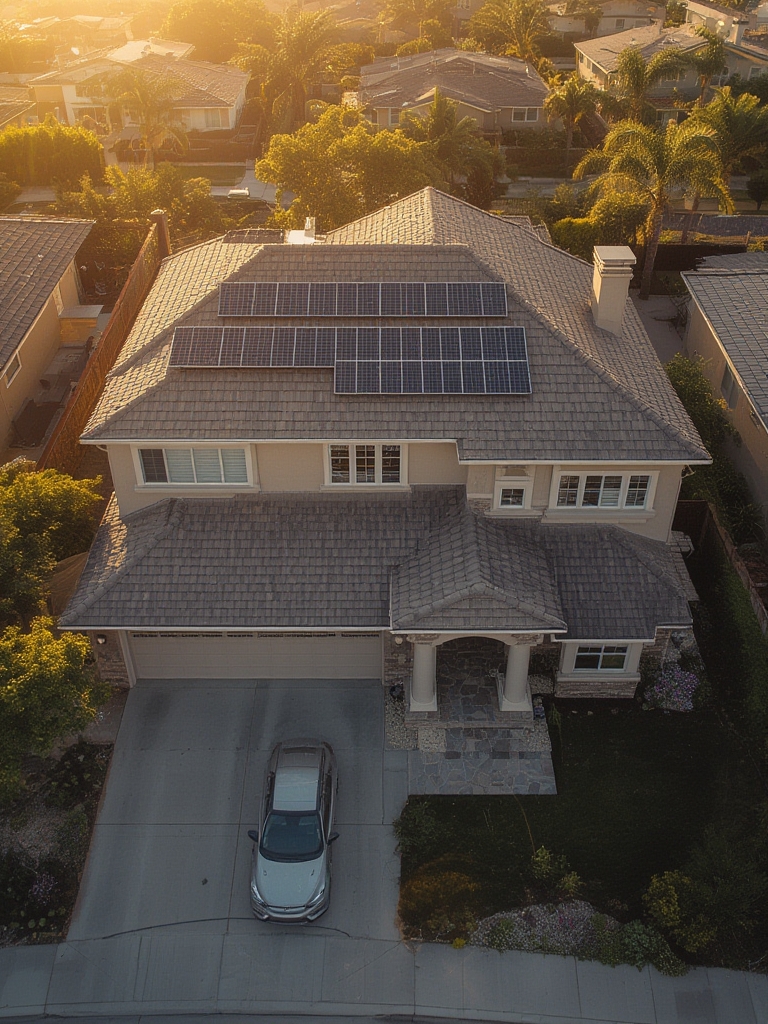
Solar panel roofing shingles offer unmatched curb appeal and dual roofing plus solar function, but at a steeper upfront price and moderate energy trade-off compared to traditional panels. They qualify for the same rebates, yet require specialized installation and meticulous planning. If you value design integration and your roof is at the end of its life, BIPV makes sense. But if lowering your bills is the absolute priority, traditional panels remain the strongest choice for most US homeowners.
Ready to see if solar panel roofing shingles are the right fit for your home? Contact a certified installer for a custom quote, and check out our garage door replacement and whole home water filtration guides for more ways to boost your property’s value and efficiency.
Frequently Asked Questions
How long do solar panel roofing shingles last?
Most solar shingle brands offer warranties of 20–25 years on both power production and weatherproofing. Lifespan often matches premium asphalt or composite roofing, but actual results depend on local weather and roof slope.
Are solar shingles worth it compared to regular panels?
For new-builds or full roof replacements, the dual function can make solar shingles appealing—especially if curb appeal is key. However, if maximizing energy generation per dollar is your goal, regular solar panels are still a better value in most cases.
Can solar roofing shingles withstand hail and severe weather?
Quality brands like Tesla, GAF, and CertainTeed have tested their shingles for impact and severe weather. Always review warranty and test data, as local hail size and wind speeds may exceed standard certifications.
Do solar shingles affect home insurance or HOA approval?
Policies and HOA rules vary. Most insurers treat BIPV like regular solar, but it’s wise to get pre-approval and document warranty and professional installation. HOA acceptance is growing but not universal—ask first if you live in a deed-restricted community.
Is maintenance easier than regular solar panels?
maintenance easier than regular solar panels? Solar shingles usually require less cleaning since they sit flush with the roof, but repairs can be more invasive because single shingles or whole sections may need to be replaced for fixes. Always confirm your installer’s maintenance policy.
—