

Indoor-outdoor living space designs are rapidly transforming the way homeowners use and value their homes. Blurring the line between inside comfort and outside enjoyment, this trend is not just about aesthetics—it’s about increasing property value, boosting usable square footage, and elevating lifestyle quality.
Key Takeaways
- Indoor-outdoor living spaces can increase home value and deliver year-round usability, with U.S. demand and market size rising sharply in 2024.
- Common pitfalls include unclear building codes, high costs, and technical challenges in creating true seamless transitions.
- Smart design choices—like fully retractable walls and consistent flooring—are essential for functional, appealing spaces.
- The Core Concept: What is an Indoor-Outdoor Living Space?
- Step-by-Step Guide: Crafting a Seamless Indoor-Outdoor Living Space
- Advanced Analysis & Common Pitfalls
- Conclusion
- Frequently Asked Questions
The Core Concept: What is an Indoor-Outdoor Living Space?
At its heart, an indoor-outdoor living space is a design approach that allows your main living areas—kitchen, dining, or lounge—to connect directly and seamlessly to the outdoors. Think of wide sliding glass doors that disappear, continuous flooring inside and out, and covered patios that serve as real extensions of your home. In 2024, the global outdoor living structure market hit $2.35 billion with North America leading at a 48.5% share, driven by this very demand.[Source]
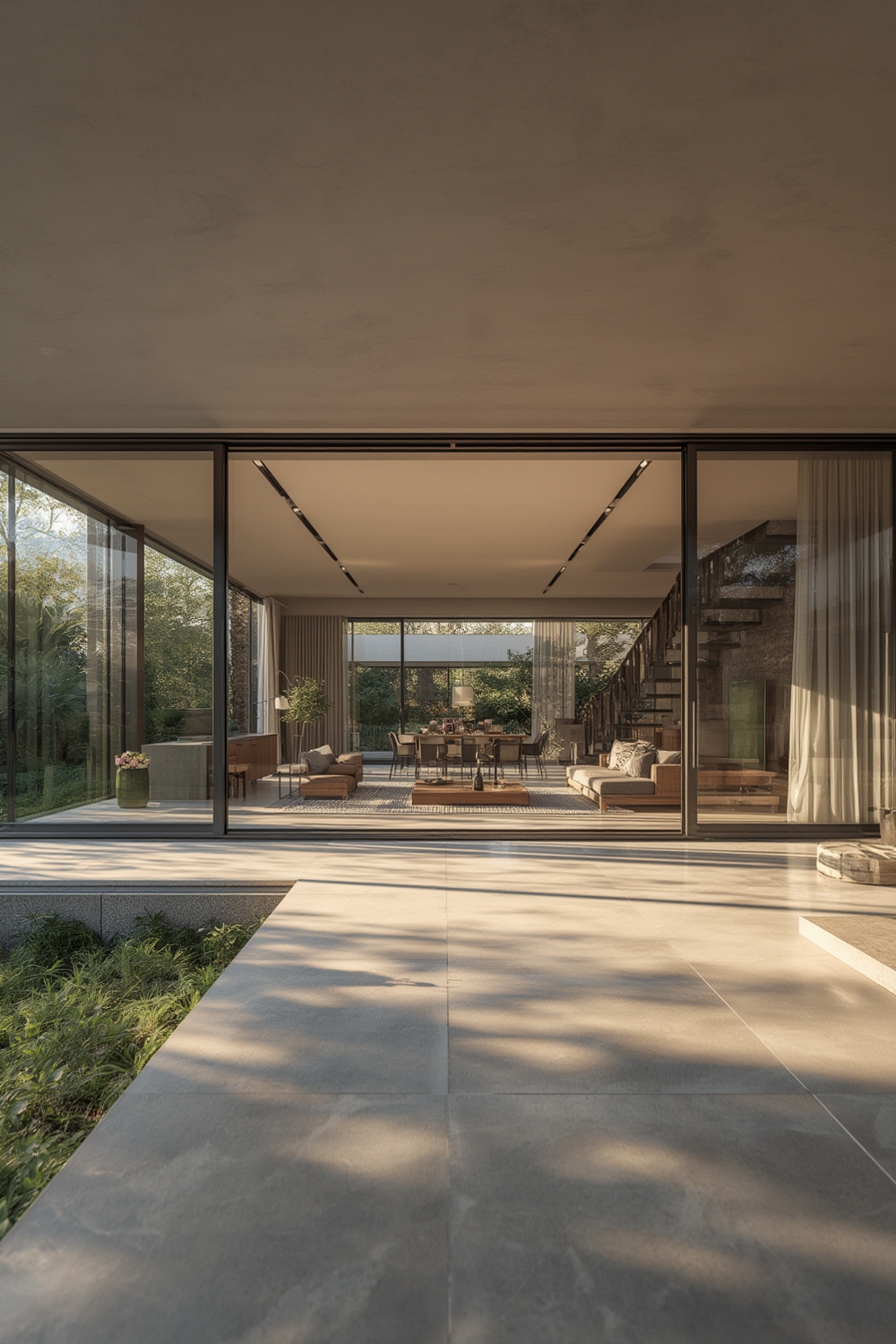
The value is more than visual. A well-done indoor-outdoor living space increases property value (32% of millennials improve for value), adds functional space, and improves curb appeal.[Source] Over half of American homeowners now prioritize these integrated spaces, often looking for year-round usability and multi-functional patio areas.[Source] These spaces turn your backyard into a true part of your home—making entertaining and everyday living much more enjoyable.
If you’re ready to learn why this is trending and how to do it right, let’s dig deeper.
Step-by-Step Guide: Crafting a Seamless Indoor-Outdoor Living Space
- Assess Your Existing Layout. Evaluate the spaces closest to your backyard or outdoor area. Identify doors, windows, and structural elements that could limit your transition. If you’re not sure, a professional architect or design consultant can help with an initial site review.
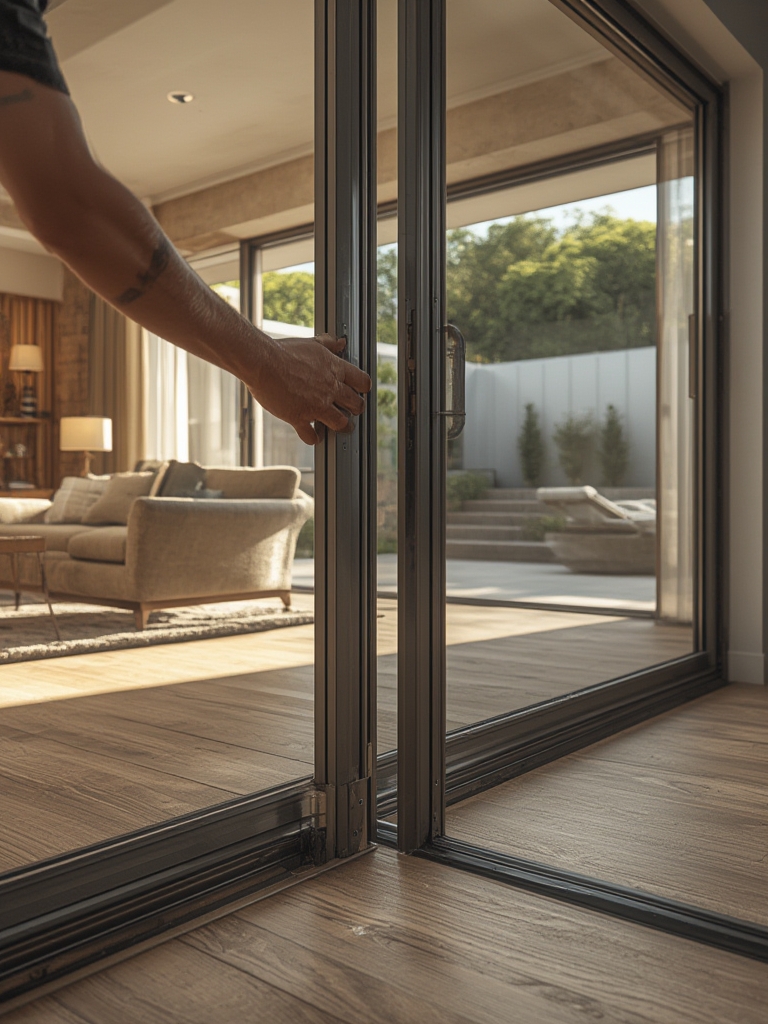
- Decide on Door Systems and Openings. The door is the bridge. In 2024, large sliding or retractable glass doors are favored for maximum openness, light, and easy flow. Standard French doors can work, but only when paired with flush thresholds for trip-free movement.
- Plan Flooring Continuity. Use outdoor-grade tiles, composite decking, or natural stone that extends from inside out. Aim for the same (or very similar) finish and level so the boundary visually disappears.
- Weatherproof Wisely. Choose high-performance seals for doors and windows, and design undercover areas to shield from rain and wind. This is especially important in climates with extreme weather swings.
- Optimize Lighting and Airflow. Add app-controlled lighting and ceiling fans for comfort and ambiance, and consider retractable walls for added flexibility. Smart systems now make it easy to set scenes or adjust without leaving your seat.
- Consider Permitting and Codes. Consult your local municipality or a builder early to clarify if you’ll need permits for structural changes, electrical, or plumbing work. Building codes vary widely by region and may include rules for door egress size, energy efficiency, and drainage.
- Budget for Construction. Factor in costs for demolition, materials, labor, and permitting. While granular 2024 breakdowns by U.S. region aren’t published yet, total project costs commonly range from $25,000 (basic patio conversion) to $120,000+ (custom, high-end integration with luxury finishes).
- Furnish with Flexibility. Invest in all-weather furniture, modular seating, and storage that allow your space to adapt from day to night or season to season.
- Check out our guide on modern patio enclosure designs for ideas on blending old and new spaces.
- For year-round comfort, read about energy-efficient door replacement to ensure your new openings don’t cause utility bills to spike.
- See our favorite best flooring materials for patios that work both indoors and out.
- If you live in a rainy area, you’ll want our advice on solving patio drainage problems.
- Latest technology? Explore our review of smart home systems for outdoor living.
Advanced Analysis & Common Pitfalls
Pursuing a seamless indoor-outdoor living space comes with real-world challenges. Based on forum feedback and recent research, these are the top frustrations you need to plan for:
- Budget overruns due to underestimating material or labor costs (especially custom doors or major foundation work).
- Lack of guidance on building codes and technical integration, which can lead to costly rework—inspectors increasingly flag non-conforming doors, low insulation, or drainage problems.
- Weatherproofing failures cause floor or threshold damage, mold growth, and unusable outdoor space during heavy rain or snow.
- Difficulty matching flooring for a flush, safe transition—small height differences become trip hazards and allow water seepage.
- Long lead times for custom glass doors and supply chain issues since 2020 remain a factor for 2024 contractors.
| Feature | Best Practice | Common Pitfall |
|---|---|---|
| Door Thresholds | Flush or recessed with high-quality sealing | Step-up/down; weak weatherproofing |
| Flooring | Continuous, non-slip, UV/water-resistant finish | Mismatch in height or material; slippery surface |
| Permitting | Consult zoning office early; submit detailed plans | DIY with no permit; later fines or project shutdown |
| All-Weather Usability | Roof overhang/retractable awning; drains | Open patios only usable in perfect weather |
Another overlooked aspect: few public guides provide regional cost breakdowns or energy savings data. If you’re budgeting, check with local contractors for up-to-date cost estimates and specific technical requirements for things like large panel doors, waterproof flooring systems, and smart automation. For further research, this industry study details outdoor living trends worth considering.
Conclusion
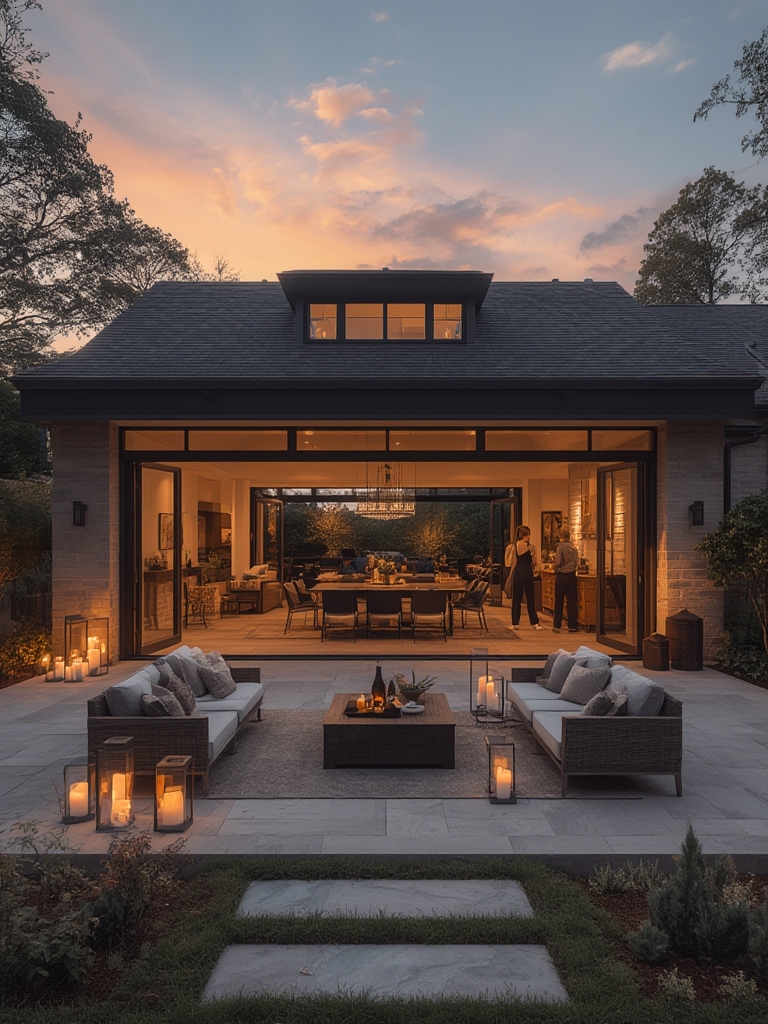
Adding an indoor-outdoor living space is one of the most rewarding home upgrades available today. Homeowners enjoy more usable space, greater comfort, and a substantial boost in property value. The keys are clear: plan ahead, expect permitting and code considerations, and invest in quality doors, flooring, and weatherproofing. Progress in smart tech and building materials will continue to improve these spaces, but the fundamentals above are timeless. If you’re serious about making the most of your indoor-outdoor living space, start with a clear design, set your budget, and consult professionals where needed. Ready to upgrade your home? Contact our team for an expert consultation and design quote today.
Frequently Asked Questions
What does it cost to create a seamless indoor-outdoor living space in 2024?
Costs vary widely. For a basic patio conversion with quality sliding doors and integrated flooring, expect to pay $25,000 to $50,000. More elaborate, custom projects can range from $80,000 to $120,000 or more, especially if structural walls move or luxury finishes are used. Prices differ by region and local labor rates.
Do I need a permit to build an indoor-outdoor transition patio?
In most U.S. municipalities, yes. Permitting is typically required for any structural changes, major door installations, or new electrical/plumbing runs. Always check with your city’s zoning office before you start; fines for unpermitted work can be serious.
What door system is best for seamless indoor-outdoor integration?
Large format sliding or retractable glass doors are the most popular in 2024. They offer wide openings, minimal thresholds, and maximum sunlight. Bi-fold or stackable glass wall systems also work well for wide spans but may be more complex to install.
How do I ensure indoor and outdoor floors look and feel continuous?
Choose materials rated for both indoor and outdoor use. Porcelain tile, composite decking, or natural stone are best. Make sure the subfloor heights are aligned and use a flush or “zero-entry” threshold for the smoothest experience.
Will my energy bills go up with large glass doors?
If you use high-efficiency, insulated double- or triple-pane doors and pay attention to weatherproofing, you can minimize utility bill impact. In fact, some integrated designs let you use natural breezes and sunlight to reduce heating and cooling—consult a pro for the best setup in your region.