

### Blog Post:
Spa bathroom features are at the heart of today’s most desirable home upgrades, but re-creating the authentic spa experience at home isn’t as straightforward as adding trendy fixtures or luxe tile. To get the most health and relaxation benefits—without common regrets—you need more than mood lighting and high-end materials.
Key Takeaways
- The top spa bathroom features for 2024 combine wellness technologies, eco-friendly materials, and nature-inspired design for both mood and health.
- Most remodel regrets stem from lack of functional storage, poor ventilation, and over-prioritizing trends over practical wellness outcomes.
- Smart planning—including attention to layout, plumbing, and ventilation—prevents expensive mistakes and maximizes your home spa investment.
- Understanding Spa Bathroom Features
- Step-by-Step Guide to Creating a Spa Bathroom
- Advanced Analysis & Common Pitfalls
- Conclusion
- FAQs
Understanding Spa Bathroom Features
Spa bathroom features bring wellness and restorative benefits to your daily routine by combining advanced technology, natural elements, and conscious design. The core idea is to transform a utilitarian space into a holistic refuge for both body and mind. Most homeowners in 2024 want more than just a stylish look—they expect enhanced health, relaxation, and even sustainability as part of their remodel.
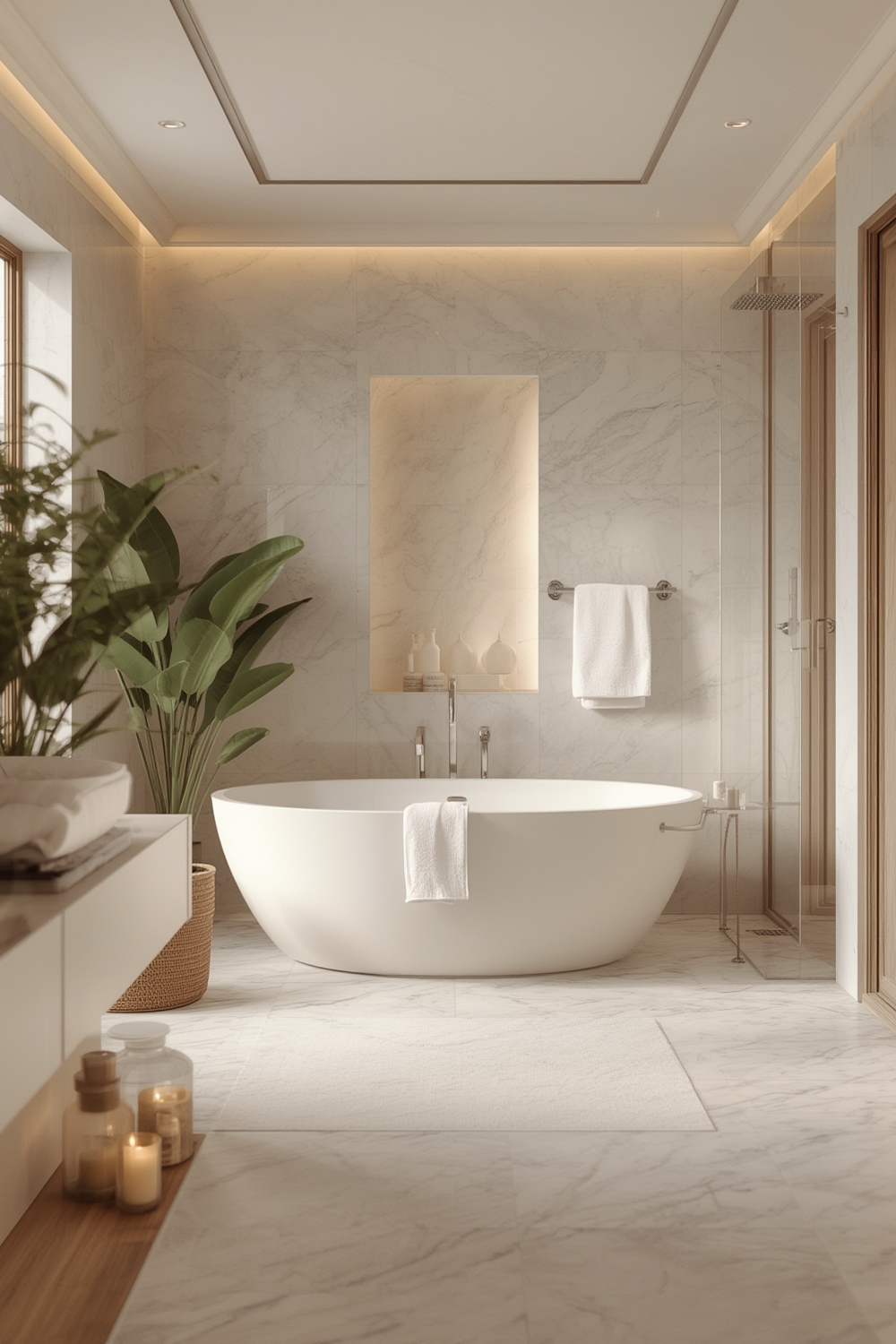
The most sought-after spa bathroom features include:
- Steam showers with therapeutic moist heat, aromatherapy, and chromotherapy lighting for real relaxation (source).
- Walk-in showers with wellness upgrades—hydrotherapy jets, mood lighting, and no thresholds—offering much safer, more accessible alternatives to traditional tubs (source).
- Eco-friendly and sustainable materials, such as recycled glass countertops, reclaimed wood vanities, and low-VOC tiles and finishes for indoor air quality (source).
- Natural elements throughout—stone surfaces, warm wood, plenty of daylight, and living greenery—to ground the senses and lower stress.
- Smart layout and storage: seamless hidden storage, glass-enclosed showers, and wide pathways increase both daily function and hygiene (source).
Unlike basic upgrades, genuine spa bathrooms require precision planning and balanced choices. Wellness is achieved not by indulgence alone, but by harmonizing space, technology, sustainability, and everyday comfort. If you want results that feel as good as they look, it’s essential to look beyond surface-level inspiration.
Step-by-Step Guide to Creating a Spa Bathroom
-
List your priorities and pain points.
Decide whether you want steam, improved accessibility, luxury finishes, or environmental wellness as your main goal. Be honest about what’s not working—do you need more storage, better air quality, a safer shower, or just less clutter?
-
Measure and assess your existing space.
Check your exact dimensions (wall-to-wall, vanity depth, pathway clearance). Spa-worthy bathrooms need clear sightlines, minimum 36-inch walkways, and separation between “wet” (shower, tub) and “dry” (vanity, toilet) areas. Open-concept layouts are tempting but can create serious moisture and privacy issues if not done right.
-
Choose features that have proven wellness benefits—and avoid over-hyped trends.
Steam showers and walk-in showers are consistently rated as the most rewarding, health-boosting investments. Chromotherapy lighting (color-changing) lights and aromatherapy add-ons are also beloved—but only if you have proper ventilation. Skip intricate tiles or oversized jet tubs unless you’re prepared for extra cleaning and maintenance (Organize bathroom storage for wellness).
-
Select sustainable, safe materials.
Opt for recycled glass, reclaimed wood vanities, and low-VOC finishes. Not all “eco” products are created equal. Insist on clear product documentation showing indoor air quality ratings. Combine these with living plants and nature-inspired stone for a lasting stress-reducing effect (Choosing eco-friendly bathroom materials).
-
Prioritize ventilation and water containment.
Install ENERGY STAR exhaust fans. For steam or walk-in showers, make sure you fully enclose the shower area and use internal drains with sloped floors. Natural light tubes can supplement airflow but do NOT replace mechanical ventilation (Preventing mold in bathroom showers).
-
Design for accessible wellness.
If you or anyone in your home plans to age in place, focus on barrier-free, step-less entries and grab bars. Remove the bathtub if it’s a tripping hazard. Use wide doors and lever handles for comfort and safety (Universal bathroom design tips).
-
Plan for now and the future.
Hidden storage, simple fixtures, and neutral natural colors make future changes easier. Avoid over-committing to “trendy” colors, tiles, or wallpaper that you might regret in a few years (Bathroom remodel checklist).
-
Get multiple professional opinions for specialty installations.
Complex steam showers or heated floors require advanced plumbing, waterproofing, and electrical work. Hire certified professionals with direct experience—incorrect installation is a common source of costly regrets.
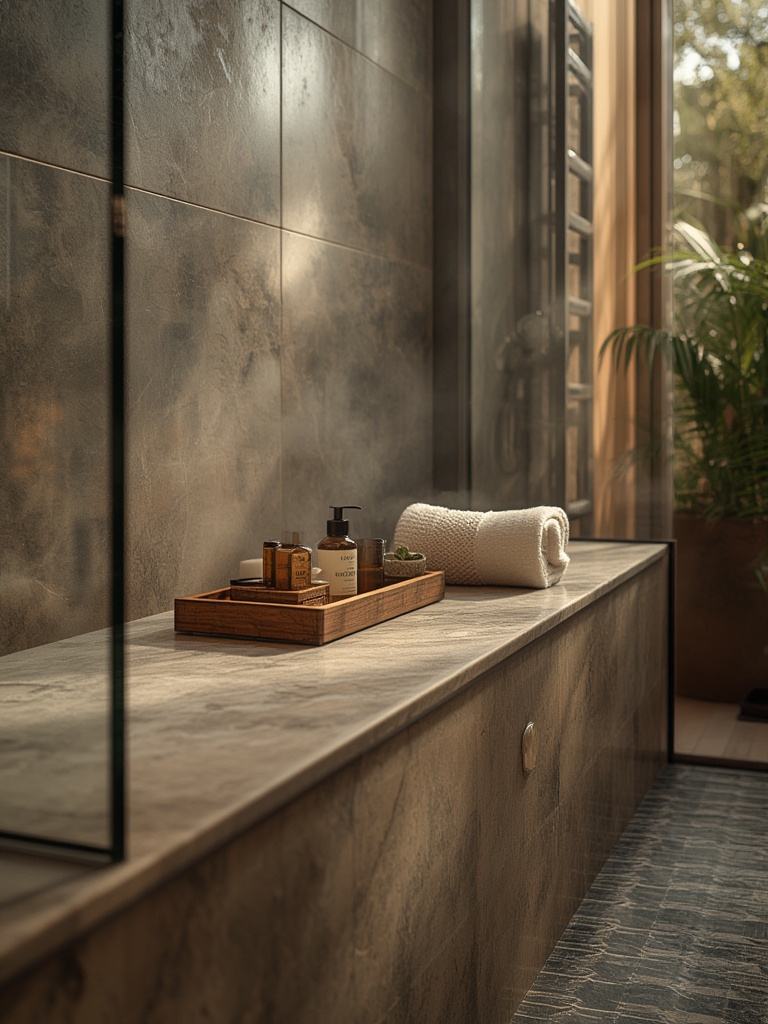
Finally, stick to a realistic budget. High-end spa features like steam showers or radiant floors can range dramatically in cost depending on your plumbing and electrical. Jet tubs notoriously cost much more than walk-in showers to install and maintain, and are often the most regretted purchase (source).
Advanced Analysis & Common Pitfalls
Many homeowners fall into similar traps when installing spa bathroom features. According to top sources and industry feedback, avoid the following:
- Ignoring ventilation: Poor airflow allows humidity and mold to flourish, ruining finishes and exposing you to health risks. ENERGY STAR fans are a must for any spa-level upgrade (source).
- Lack of practical storage: Minimalist, open-concept trends often sacrifice hidden storage, leading to clutter and added stress.
- Unrealistic space planning: Jet tubs and oversized showers can ruin accessibility, especially in bathrooms under 60 square feet. Glass partitions and smart zoning are more versatile.
- Choosing “wow factor” trends over timeless function: Intricate tile, bold wallpaper, and fancy fixtures get stale and make updates difficult. Maintenance is higher and flexibility is lower.
- Poor water containment: Door-less “wet rooms” can spread humidity into bedrooms, while under-engineered drains and slopes lead to puddles and damage (source).
Here’s a quick comparison of commonly hyped features versus their long-term realities:
| Feature | Health & Wellness Benefit | Upkeep / Regret Risks | Installation Notes |
|---|---|---|---|
| Steam Shower | Circulation, muscle relief, relaxation | Must fully contain moisture and vent out humidity | Needs pro plumbing, sloped floor, glass enclosure |
| Walk-in Shower with Jets | Hydrotherapy, safety, accessibility | Jets require cleaning, risk of scale build-up | Requires tailored plumbing, adequate slope |
| Jet Tub | Temporary massage effect | Cost, maintenance, loss of space, rising bills | Bulky, requires more energy, motors |
| Wet Room / Open Shower | Sleek look, easy access | Water leaks, humidity in dry zones, privacy loss | Needs robust enclosure/drainage |
| Eco-Friendly Surfaces | Improved air quality, mental calm | Higher initial cost, sometimes limited color | Look for certifications (low VOC) and durability |
Some spa bathroom features, like statement tiles and wet room layouts, photograph beautifully but can quickly become ongoing sources of stress, not serenity. For expert details on healthy home bathroom upgrades, see Mr Steam: Wellness Bathroom Trends.
Conclusion
The most successful spa bathrooms go beyond surface style to address hidden health, comfort, and maintenance realities. Whether you are planning a simple update or a complete remodel, prioritize storage, clean air, water containment, accessible design, and proven wellness features. Avoid over-investing in trends that rarely match daily life, and work with specialists for any advanced installation. Ready to transform your bath? Focus on the right spa bathroom features and create a retreat that actually delivers long-term wellness. Start planning your upgrade now—your daily routine will thank you.
FAQs
What are the most important spa bathroom features for real wellness?
Steam showers, walk-in showers with hydrotherapy and chromotherapy, sustainable natural materials, advanced ventilation, and smart hidden storage create the best practical benefits.
Are there any spa features that most homeowners regret or remove later?
Yes, jet tubs are commonly regretted due to high costs, space taken up, and required maintenance. Wet room showers and overly trendy tile are also often replaced because of water issues and difficulty cleaning.
What hidden hazards come with door-less or open-concept spa bathrooms?
These layouts can spread humidity into bedrooms, allow mold or water damage, and reduce privacy. Enclosure, proper drains, and robust ventilation are critical for safe spa outcomes.
How do I keep a spa bathroom easy to clean and organized?
Choose simple, large-format tiles, seamless glass, and maximize hidden storage with under-vanity bins and recessed cabinets. Keep surfaces clear and avoid patterns that trap dust and soap scum.
Do spa bathroom features cost a lot in the long run?
High-end features can be costly to install and maintain, especially jet tubs and custom steam units. Prioritize quality ventilation and sustainable upgrades to minimize long-term upkeep and hazards.