
energy-efficient windows are one of the most effective home upgrades for lowering utility bills and boosting comfort, but most homeowners still have questions about cost, real-world performance, and how to choose the right replacement. This comprehensive guide breaks down exactly what to expect from Low-E window replacements in 2024—including current ROI statistics, tech specs, savings timelines, and how to maximize both rebates and returns.
Key Takeaways
- ENERGY STAR and Low-E windows typically cut annual energy costs by $200–$600, with long-term savings depending on climate and existing window type.
- The most effective energy-efficient windows pair Low-E coatings with gas-filled double or triple panes and insulated frames; look for U-Factor and SHGC ratings matched to your climate.
- State and utility rebates are available in 2024 for ENERGY STAR certified upgrades, but regional cost differences and installation quality can seriously affect results.
- What Are Energy-Efficient Windows and Why Upgrade?
- How to Upgrade to Energy-Efficient Windows: Step-by-Step
- Real-World Savings Analysis & Common Pitfalls
- Conclusion
- Frequently Asked Questions
What Are Energy-Efficient Windows and Why Upgrade?
Energy-efficient windows are specially engineered to reduce heat loss and solar gain, helping you save on heating and cooling costs year-round. The most common modern solution is the Low-E (low-emissivity) coating, a microscopically thin metal oxide layer applied to window glass to reflect infrared energy and reduce unwanted heat transfer.
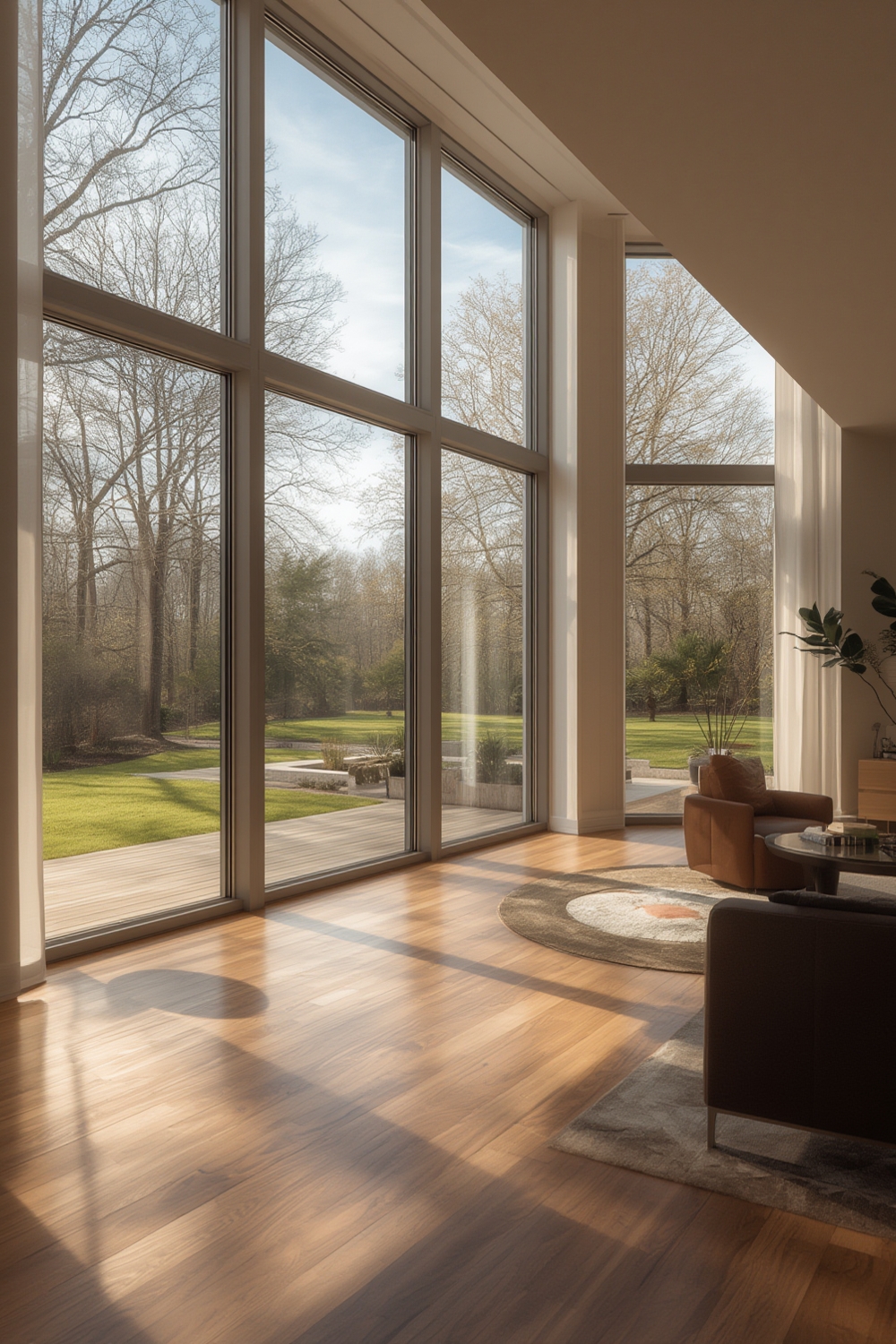
According to ENERGY STAR, replacing poor-performing windows with certified energy-efficient units can cut your utility bills by an average of 12%, translating into $200–$600 in annual savings. Triple-pane and advanced Low-E options can push savings even higher, especially in climates with extreme temperatures.
With the North American market for energy-efficient windows surpassing $9.5 billion in 2024 (source), demand for these upgrades reflects effective real-world results. Both single-family homeowners and property investors are taking advantage of ongoing rebates and incentives to improve efficiency and comfort.
Besides financial savings, benefits include less draft, more even indoor temperatures, safer UV protection for furnishings, and often quieter living spaces.
How to Upgrade to Energy-Efficient Windows: Step-by-Step
Replacing old windows with energy-efficient models doesn’t need to be overwhelming. Here’s a practical step-by-step approach to get results and avoid common pitfalls:
- Assess Your Current Windows
Not all windows need replacement—start with those that show condensation, draft, or visible damage. Take note of window orientation to prioritize those in the hottest or coldest spots of your home. - Learn the Ratings That Matter
Look for windows with a U-Factor of ≤0.30 (better insulation), SHGC of 0.35–0.60 (cold climates) or ≤0.25 (hot climates), and VT ≥0.40 for visibility. Prioritize double or triple-pane Low-E windows with gas fills and insulated frames for the best results (source). - Get Multiple Quotes
Low-E windows run 10–15% more than standard windows, but actual prices vary. Always get at least three written quotes and confirm that all removal, labor, and installation fees are included (DOE). - Apply for Rebates Early
State governments and many local utilities continue to offer rebates for qualifying ENERGY STAR upgrades in 2024. Apply before installation—delays or missing permits can mean missing out on hundreds in savings. - Verify Proper Installation
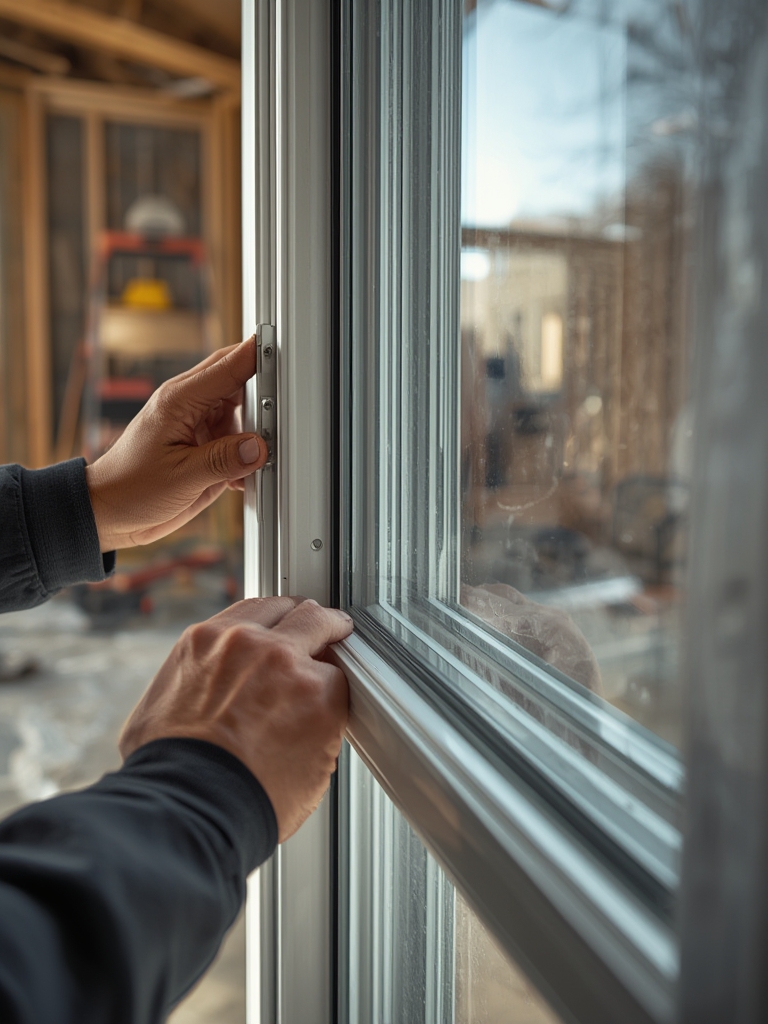
Even the best windows can underperform if installed improperly. For specialist work (like curved bay windows or oversized panes), always use a certified, insured installer. Ask for documentation and double-check seals for air leaks after work is complete. - Monitor Performance
After installation, log your energy use and monitor comfort. Watch for window condensation or mold that can indicate air tightness issues, and check that all moving parts operate smoothly.
For additional ideas, check out our guides on walk-in pantry renovation and curbless shower waterproofing, where similar insulation and moisture protection principles apply.
Real-World Savings Analysis & Common Pitfalls
Real savings from energy-efficient window upgrades depend on your climate, existing window type, and installation quality. Here’s a look at what to expect—and what to avoid:
| Window Type/Upgrade | Expected Energy Savings (Annual) | Notes |
|---|---|---|
| ENERGY STAR Double-Pane (Low-E) replacing single-pane | $101–$583 | Most effective in older homes (source) |
| ENERGY STAR Double-Pane (Low-E) replacing old double-pane | $27–$197 | Incremental gains when upgrading decent existing windows |
| Low-E Triple-Pane Windows | Up to 30% reduction | Higher up-front cost but superior comfort |
Common pitfalls:
- Mismatch to Climate – Installing a low-SHGC window in a cold region can increase heating costs rather than lower them. Always match window specs to your region’s needs.
- Overpaying for Features You Don’t Need – Extra features (like high-security glass or luxury framing) may add cost with little impact on efficiency. Focus first on energy specs.
- Improper Installation – Most complaints stem from leaks, poor sealing, or operating issues due to bad install. Always inspect work and get a warranty in writing.
- Missing Out on Incentives – Waiting too long or using non-qualified windows can mean missing substantial rebates or energy credits.
For comprehensive outdoor upgrades, consider our helpful guides on creating an indoor-outdoor living space or planning an outdoor kitchen, both of which benefit from improved window performance and weather protection.
Conclusion
With the right approach, replacing outdated windows with energy-efficient windows is one of the most cost-effective ways to slash utility costs, boost home comfort, and prepare your property for future efficiency standards. Matching window features to your climate, taking advantage of rebates, and ensuring quality installation are the best ways to guarantee real savings.
Ready to upgrade your windows? Get quotes from local pros, and check for city- and utility-specific rebates before buying. Explore other high-impact remodels such as a butler’s pantry to maximize every corner of your home investment.
Frequently Asked Questions
How much can I really save by switching to energy-efficient windows?
Most homeowners save between $200 and $600 per year when replacing old, leaky windows with certified energy-efficient ones. Actual savings depend on your local utility rates, window orientation, and home size.
How long does it take to see lower energy bills after installing Low-E windows?
You may notice reduced energy usage as soon as your next monthly bill, especially during peak cooling or heating months. Consistent tracking over 6-12 months will show full seasonal savings.
What are Low-E coatings and why are they important?
Low-E (“low-emissivity”) coatings are invisible metallic layers that help block heat transfer through the glass. This means less heat loss in winter and less unwanted solar heat in summer, making your home more efficient and comfortable.
Are energy-efficient windows worth it in warm climates?
Yes. In hot climates, selecting Low-E windows with a low SHGC (≤0.25) and proper installation can drastically reduce cooling costs by limiting solar heat gain. Choose spectrally selective coatings for best results.
Can I get rebates or incentives for replacing my windows in 2024?
Many state governments and utilities offer rebates for ENERGY STAR certified window installations. Check with your local energy office or utility website before your project to ensure eligibility and up-to-date incentive offers.