

Natural wood cabinetry is experiencing a major resurgence in kitchens across North America and Europe. If you’re considering this transition, it’s essential to know why this trend is booming, how to approach your own project, and the potential pitfalls before making costly decisions.
Key Takeaways
- Natural wood cabinetry now leads new kitchen trends, with a distinct move away from all-white and gray tones.
- Oak and walnut remain the top choices for homeowners due to their warmth, durability, and timeless aesthetic.
- Understanding the process, common mistakes, and design impact can help avoid costly regrets and maximize your investment.
- Why Natural Wood Cabinetry Is on the Rise
- Step-by-Step: How to Transition to Natural Wood Cabinetry
- Advanced Analysis & Common Pitfalls
- Conclusion
- Frequently Asked Questions
Why Natural Wood Cabinetry Is on the Rise
Natural wood cabinetry embraces the beauty of wood grain, brings warmth to interiors, and signals a shift from sterile, all-white spaces. According to the National Kitchen & Bath Association’s 2024 report, homeowners are increasingly choosing warm wood finishes like walnut and oak over painted cabinets. Market data confirms that solid wood now commands 45% of the kitchen cabinet market, up from previous years, fueled both by design preferences and superior longevity in comparison to painted alternatives (source).
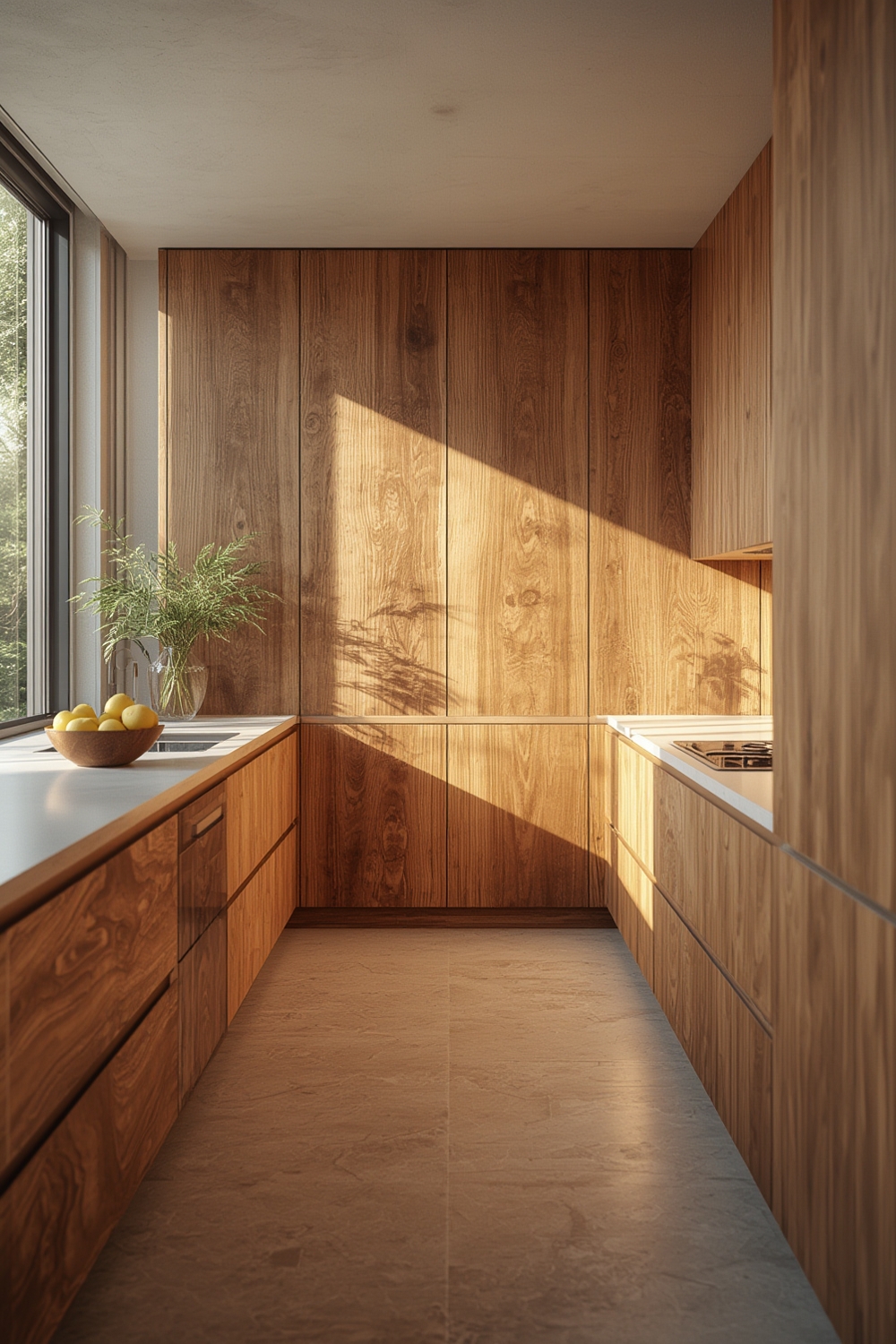
This movement aligns with broader home trends: a taste for authenticity, tactile finishes, and elements that make a kitchen feel inviting—not sterile. Frameless designs and minimalist hardware also trend upward, giving wood cabinets a sleek, contemporary edge. Warm color palettes and two-tone contrasts are replacing grays and cool tones, as seen in numerous design portfolios and kitchen remodels.
For further reading on maximizing kitchen areas, see walk-in pantry renovation tips that pair perfectly with natural wood cabinetry upgrades.
Step-by-Step: How to Transition to Natural Wood Cabinetry
Switching from painted cabinets to natural wood isn’t just about swapping doors. Here’s what the process realistically entails:
- Assess Your Existing Cabinets
Determine if your current cabinetry is solid wood beneath the paint, or laminate/composite. Only genuine wood is suitable for refinishing. - Evaluate Costs & Budget
Understand that full replacement generally costs more than repainting but delivers a greater return in warmth, durability, and home value. Pricing varies (custom oak or walnut is pricier than mass-produced options). - Select Your Wood Species
Popular choices are white oak for a contemporary straight grain, or walnut for richer hues. Visit local showrooms and ask to see full doors, not just samples. - Choose Finishes Early
Decide if you want a clear matte, subtle stain, or lightly whitewashed look. Water-based finishes have less odor and keep wood tones lighter, but oil-based ones may add depth. - Plan Lighting and Surroundings
Natural wood can look drastically different under Dimmable LED Under-Cabinet Lighting Kit (Warm/Daylight), incandescent, or daylight bulbs. Test samples in your actual kitchen. - Decide on Full Remodel or Refacing
Refacing uses your existing cabinet boxes, applying new wood doors and veneer for a major visual shift at lower cost—but only if the cabinets are structurally sound. - Review Hardware & Layout
New hardware with contrasting tones (matte black, brass) and improved drawer organization modernize the look and improve functionality. - Hire Carefully
Work with contractors experienced in wood cabinetry. Request a portfolio and references—botched installations or poor finish work can ruin natural wood’s charm. - Consider Adjacent Upgrades
Enhancements like glass accent doors, embedded statement range hoods, and open shelves maximize visual appeal. - Plan for Maintenance
Immediately learn how to care for natural wood: avoid harsh cleaners, wipe spills quickly, and periodically re-oil or wax for longest life. Plan for Maintenance
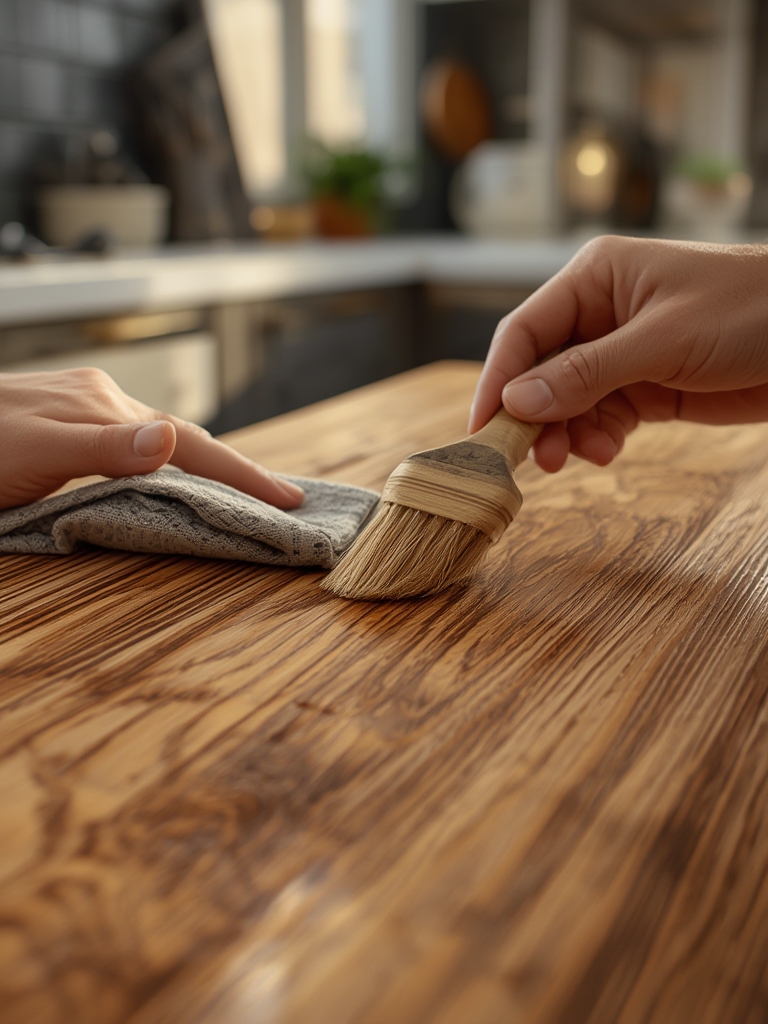
If you’re reimagining your kitchen layout or considering adding a butler’s pantry or walk-in storage, these are perfect times to match new custom cabinets and finishes.
Advanced Analysis & Common Pitfalls
The wave of enthusiasm for natural wood cabinetry brings design opportunities—but also unique risks. Here are the most common problems identified by industry data and real-life remodels:
| Potential Issue | Details | How to Avoid |
|---|---|---|
| Sticker Shock | High-quality wood cabinets cost significantly more than standard painted MDF. Oak/walnut doors drive budgets up. | Always request itemized quotes. Consider refacing or partial replacement if cabinets are structurally sound. |
| Wood Movement & Expansion | Wood reacts to humidity and temperature. Poorly acclimated cabinets can warp or develop gaps. | Ensure contractors acclimate wood to your home before installation and opt for quality finishes. |
| Maintenance Shock | Uninformed owners sometimes damage finishes using the wrong cleaners or neglect preventative care. | Use only wood-safe products and regularly wipe up spills. Plan periodic touch-ups for high-traffic areas. |
| Poor Lighting Choices | Warm woods can look muddy or harsh under certain lighting, making the kitchen feel darker. | Layer ambient, task, and accent lighting. Test lighting plans with wood samples before committing. |
| Clashing Wall Colors/Floors | Bold wood grains can fight with existing wall or floor colors, making the room feel busy or dated. | Coordinate new paint and flooring; opt for subtle, cohesive palettes for harmony. |
| Cheaping Out on Drawers/Hardware | Poor drawer boxes and flimsy slides undermine the investment in premium doors. | Insist on dovetail drawers, soft-close hardware, and high-quality slides for lasting performance. |
For more tips on adding modern functionality and maximizing space during a cabinetry upgrade, review our indoor-outdoor living space guide and space-saving pantry organization strategies.
Conclusion
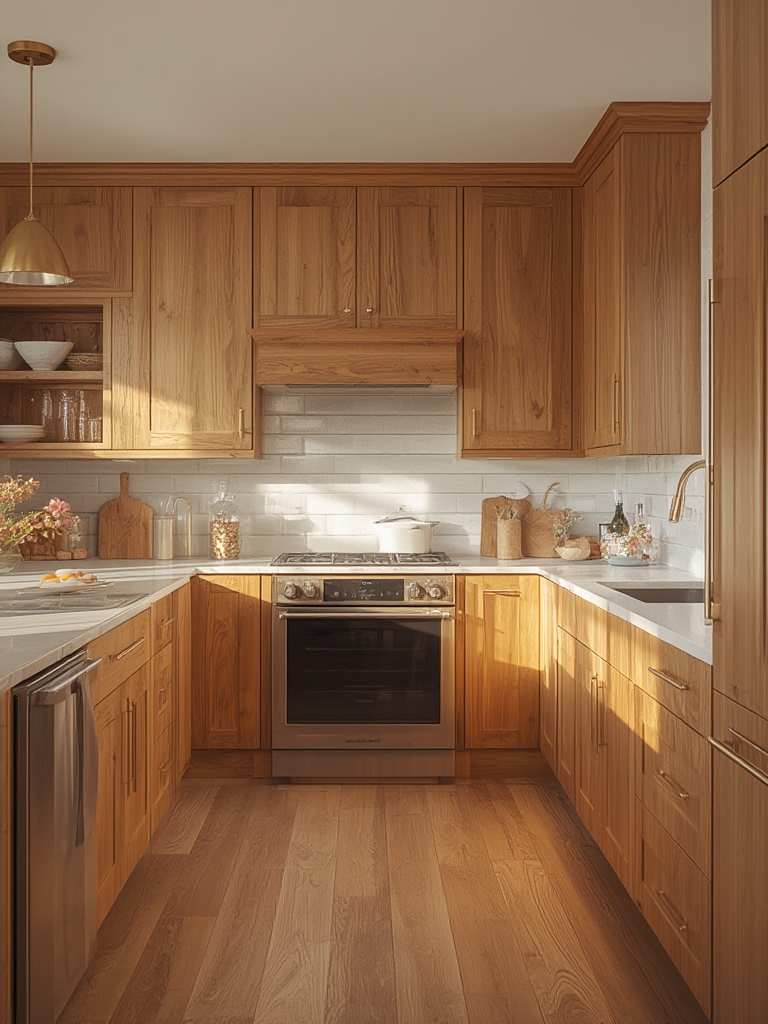
Today’s kitchens are returning to the beauty and resilience of natural wood cabinetry. From enduring oak to dramatic walnut, these materials offer lasting value, practical performance, and trend-forward appeal. As with any home investment, understanding the steps, risks, and design factors is key to loving the results for years to come. Ready to transform your kitchen? Speak with a trusted cabinet pro or get inspired by exploring advanced kitchen renovations, like curbless shower design or maximizing your outdoor kitchen value.
Frequently Asked Questions
Is natural wood cabinetry more durable than painted cabinets?
Yes, properly finished natural wood cabinetry is generally more durable than painted MDF or particleboard cabinets. Wood can be refinished or touched up, whereas painted surfaces may chip or peel and can be harder to repair without repainting the whole set. For tips on long-term kitchen value, see outdoor kitchen ROI ideas.
What wood species are best for natural kitchen cabinets?
Oak (especially white oak) and walnut are top choices due to their durability, attractive grain, and broad market popularity. Maple and cherry are also solid choices for a subtle or traditional look.
Can I convert existing painted cabinets to natural wood?
Only if the underlying material is solid wood, not MDF or laminate. Stripping painted solid wood is labor-intensive and may not always deliver perfect results, but is an option for some homeowners.
Do natural wood cabinets require special care?
Wood cabinets should be cleaned with mild soap and water or specialized wood cleaners. Avoid harsh chemicals. Periodically re-oiling or waxing helps maintain finish and prevents drying out.
Should natural wood cabinetry be paired with light or dark countertops?
Both combinations work—light countertops give a modern, airy effect, while dark surfaces add contrast and drama. The right choice depends on room lighting, wall colors, and your preferred style.