

Butler’s pantry installations are surging in popularity as homeowners seek smarter, more organized ways to manage food prep, storage, and entertaining—especially in open-concept homes.
Key Takeaways
- Butler’s pantries provide versatile storage, staging, and entertaining space that can significantly boost kitchen functionality.
- Upfront costs and design limitations are real—think seriously about square footage, plumbing, and your true entertaining needs.
- Thoughtful, authentic planning is what enhances resale appeal, not just checking a trendy box.
The Core Concept: What is a Butler’s Pantry and Why Add One?
A butler’s pantry is a specialized, secondary space positioned between the kitchen and dining area. Originally, it functioned as a place for staff to store and plate food before serving, but in modern homes, it has evolved into a multi-use space for storage, staging, and sometimes light prep. The big draw is keeping the main kitchen clutter-free and making entertaining feel seamless—especially if you love hosting or need extra space beyond traditional cabinetry solutions.
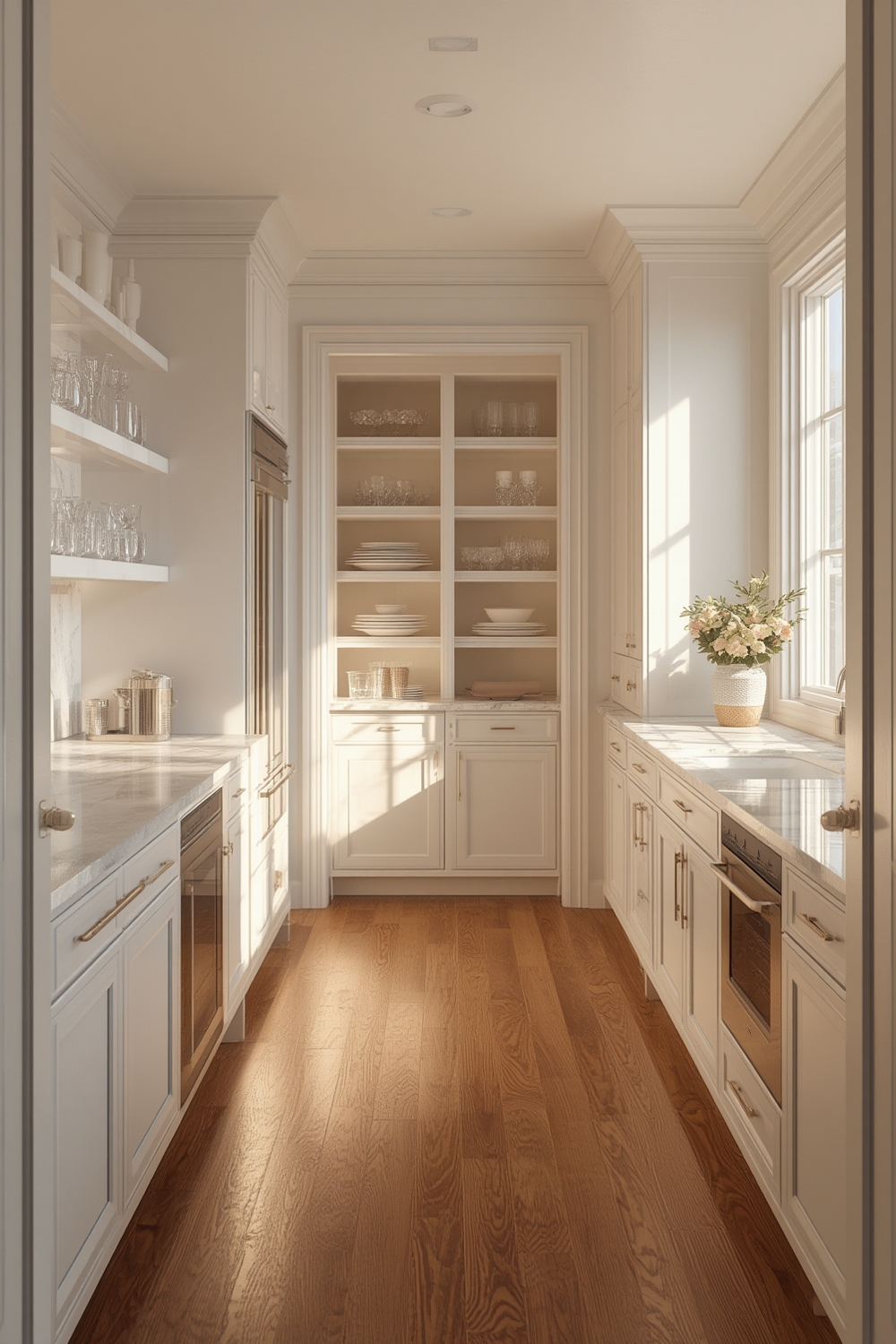
Butler’s pantries can double as beverage stations, wine nooks, or even home bars. They provide easy access to serving ware, countertop appliances, and snacks, allowing hosts to prep and stage dishes out of sight. For open floorplans, this means you can present a pristine kitchen while the real work happens behind the scenes. This is one reason why demand is on the rise, according to the American Institute of Architects’ Home Design Trends Survey, which notes a meaningful shift in new builds toward dedicated prep and storage zones.
If you need a more robust secondary kitchen, a scullery might be the answer. Sculleries are larger, often fully equipped mini-kitchens, with plumbing and appliances for serious prep and cleanup. For most homes, though, a well-planned butler’s pantry delivers 80 percent of the value for the right price and footprint.
To see how this impacts home value and design, check out our in-depth guide on custom pantry ideas and explore real-life examples in modern layouts.
Step-by-Step Guide: Adding a Butler’s Pantry That Works
- Define your purpose. Are you looking for hidden storage, a discreet home bar, extra prep space, or a serving station for dinner parties? List your needs up front and prioritize them. This avoids “feature creep” and wasted square footage.
- Choose your location wisely. The best butler’s pantries are positioned between kitchen and dining areas. If retrofitting, consider annexing part of a hallway, closet, or unused alcove.
- Size it right. The average butler’s pantry ranges from 25 to 50 square feet—small enough to be efficient, but big enough for cabinets, counter space, and small appliances.
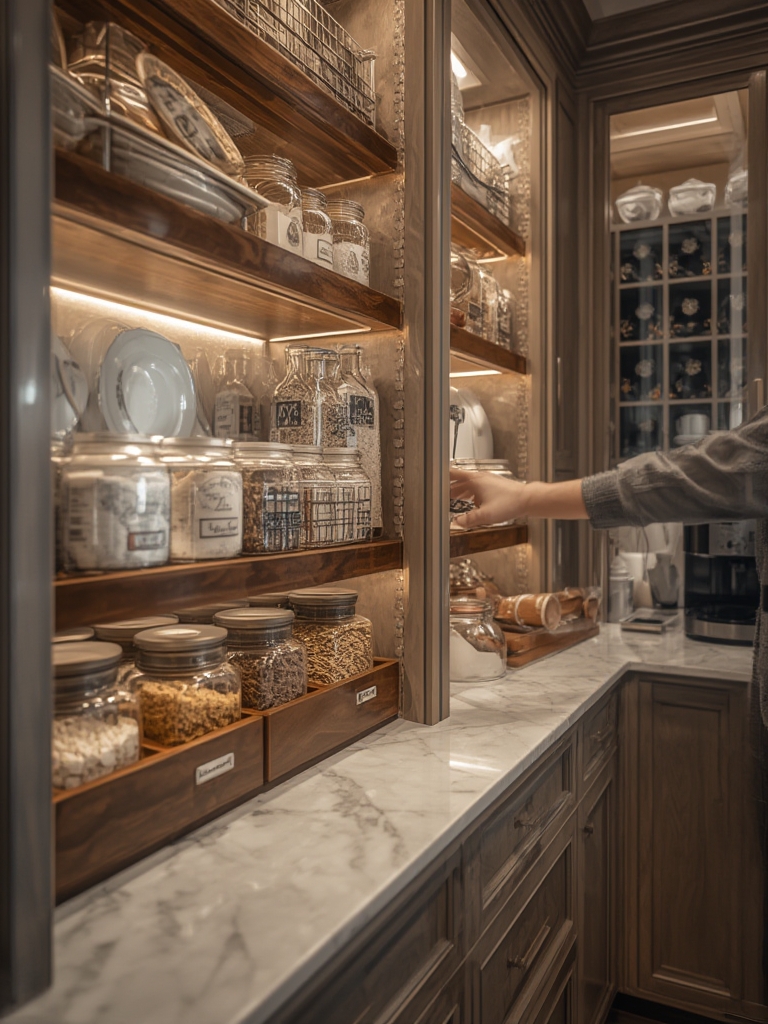
- Plan storage for function, not just aesthetics. Include closed cabinetry for less-used items, open shelving for quick grabs, and deep drawers for bulkier equipment. Think through where you’ll keep trays, wine glasses, and platters.
- Decide on plumbing and appliances. If you want a prep sink or wine cooler, assess your plumbing and electrical access early. Basic pantries may skip plumbing entirely.
- Focus on workflow and privacy. Install task lighting, consider a pocket or swing door to block sound, and leave counter landing space for staging food.
If you’re unsure how to optimize your layout, browse our best ideas for walk-in kitchen pantry layouts for inspiration that fits modern homes.
-
Budget realistically. In 2024, expect to pay around $3,000 for a basic butler’s pantry remodel (cabinetry, counters, light electrical). Add plumbing, specialty appliances, or upscale features, and costs can climb to $8,000 or more. For full-scale sculleries with dishwashers or cooktops, plan for $5,000 to $15,000+.
(See Angi’s detailed cost breakdown for pantries and sculleries.) - Think resale from the start. Well-designed secondary zones are a strong resale advantage in open homes, but only if they “feel right” and don’t look tacked on. Embedding a butler’s pantry in a coherent layout pays off, especially in higher-end markets. Review our simple guide on the best home renovations for resale to weigh other upgrades.
- Finish with details that matter. Use easy-to-clean materials, soft-close hardware, and quality drawer slides. Integrate a charging zone or beverage station for added value.
Advanced Analysis & Common Pitfalls
Even as butler’s pantries gain traction, there are real-world limitations and mistakes to be aware of. Here’s how to avoid costly or disappointing outcomes.
- Underestimating space requirements. Many homeowners plan a butler’s pantry that’s too small to be useful—especially if they want to incorporate appliances, sinks, or extensive storage. If your square footage is tight, forgo large appliances and focus purely on storage and staging.
- Overcomplicating with unnecessary features. The temptation to install every trending upgrade can sabotage the utility and flow. If you don’t drink wine, skip the wine fridge. Don’t add a prep sink without considering plumbing costs and water access.
- Poor location and workflow. A butler’s pantry behind the kitchen or too far from dining negates the convenience it’s supposed to provide. Keep transitions logical—between food prep, plating, and serving.
- Forgetting about adequate lighting and ventilation. Pantry zones get hot and messy, especially if adjacent to appliances. Use bright task lighting, and if your space is enclosed, think about basic ventilation.
Below is a comparison of typical butler’s pantries vs. full scullery kitchens:
| Feature | Scullery Kitchen | Traditional Butler’s Pantry |
|---|---|---|
| Space Requirements | Larger, mini kitchen scale; supports full meal prep and cleaning. [Source] | Smaller; typically focused on storage and serving. [Source] |
| Plumbing | Commonly includes sink and dishwasher. [Source] | May lack plumbing entirely. |
| Ventilation | Often includes enhanced ventilation for odors and noise containment. [Source] | Ventilation rarely required; no cooking performed. [Source] |
| Appliance Needs | Can house full-size dishwasher, cooktop, or microwave. | Limited to small appliances; unsuitable for large built-ins. |
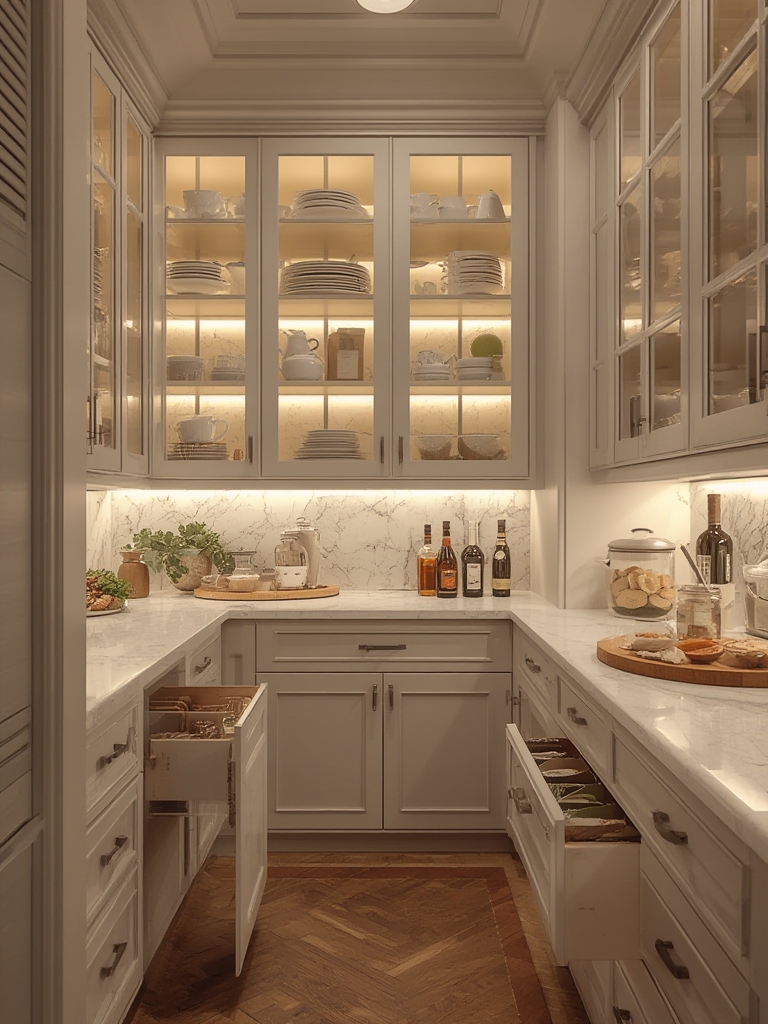
- Homes with both a butler’s pantry (for staging and serving) and a scullery (for serious prep and cleaning) attract a wide buyer pool and deliver the most functional open layouts.
- However, in compact homes or fix-and-flips, adding either zone without true utility may turn buyers off or waste money you’ll never recoup.
Learn how multi-zone kitchen setups can actually drive value in our guide for attracting modern homebuyers and see why authenticity matters for real ROI.
Conclusion
Butler’s pantries deliver value through organization, better entertaining flow, and a main kitchen that’s always guest-ready. But they only pay off when tailored to your needs and space—not just because they’re trending. Sculleries amp up the function if you have room and budget, but for most buyers, a butler’s pantry is the smarter—and more practical—upgrade.
Ready for your own kitchen transformation? Start by reading our expert breakdown of budget kitchen remodel strategies or connect with a local pro who knows modern pantry design inside and out.
FAQ
What is the ideal size for a butler’s pantry?
The sweet spot is 25 to 50 square feet—enough for counters, upper and lower cabinets, and walk-through space. If space is tight, prioritize storage and work surfaces over appliances.
How much does it actually cost to add a butler’s pantry in 2024?
Budget $3,000 for a basic build, including cabinetry, counters, and some electrical. Add more for plumbing or specialty appliances. High-end, appliance-filled designs can reach $8,000 or more. See this detailed cost breakdown for more info.
Does a butler’s pantry add resale value?
Yes—if planned authentically and integrated into the overall kitchen design. It increases appeal for buyers who entertain or favor open layouts, as noted in recent industry surveys. In luxury markets, they can be key value markers.
What’s the difference between a butler’s pantry and a scullery?
A butler’s pantry focuses on storage and staging, with little or no plumbing. A scullery acts as a secondary kitchen for heavy prep and cleaning, complete with sinks, appliances, and sometimes even ventilation. See the comparison table above for a quick breakdown.
Can I add a butler’s pantry to a small home?
It’s possible, but only if you repurpose an existing closet or nook. Avoid squeezing in a butler’s pantry if it ruins your home’s flow or sacrifices valuable kitchen space.