

Composite decking has revolutionized outdoor living, but is it really as durable, cost-effective, and maintenance-free as it seems? Before you replace your wood deck or build a new one, it’s essential to separate market hype from proven facts about composite decking—so you don’t regret your investment.
Key Takeaways
- Composite decking offers clear durability and sustainability advantages over traditional wood, but true cost and maintenance benefits depend on brand and installation quality.
- Not all composite brands perform the same—understanding material composition, warranty, and verified reviews is critical for long-term satisfaction.
- Low-maintenance marketing claims can be misleading—expect to clean and maintain your composite deck regularly to prevent staining and mold growth.
- What Is Composite Decking and Why Does It Matter?
- How to Choose and Install Composite Decking (Step-by-Step)
- Advanced Analysis – Pitfalls, Brand Comparison, and Real-World Issues
- Conclusion
- FAQ
What Is Composite Decking and Why Does It Matter?
Composite decking is a manufactured material made from a mix of recycled wood fibers and plastic, designed as a replacement for traditional pressure-treated wood decking. Its main advantage is reduced need for staining, sealing, or splinter-related repairs compared to lumber. High-quality options like Trex, TimberTech, Fiberon, and Deckorators promote resistance to rot, fading, and insect damage for long-term outdoor use.
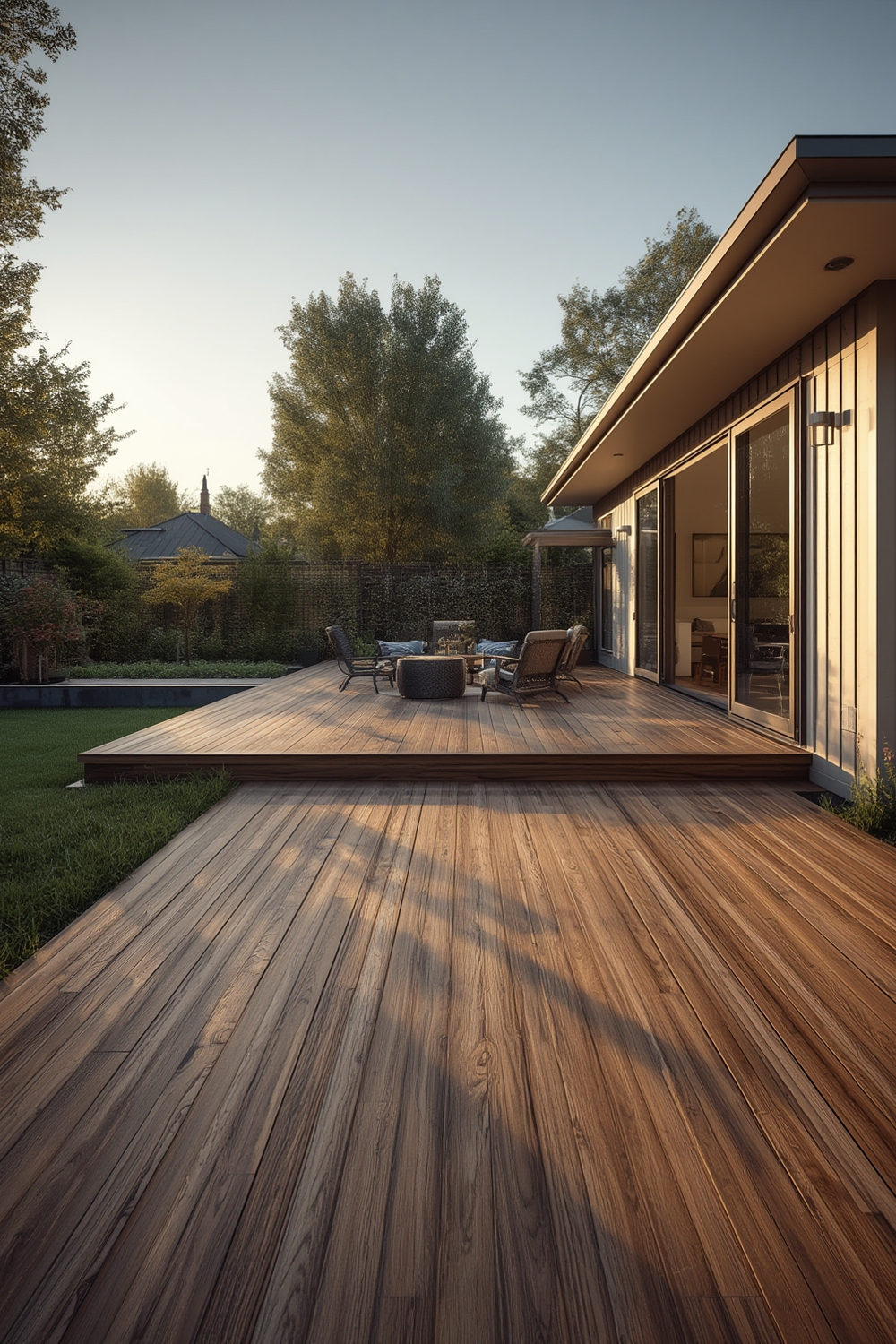
Why does this matter for homeowners? Composite decking promises decades of color retention, eco-friendly recycled content, and elimination of annual sealing—potentially saving money and time. However, initial costs can be high and long-term satisfaction depends on choosing the right brand and installation method.
Composite decks can complement other high-value outdoor upgrades, such as an indoor-outdoor living space or an outdoor kitchen for better home value and usability.
How to Choose and Install Composite Decking (Step-by-Step)
Picking the right composite decking is more than just color choice. Here’s a step-by-step approach that goes beyond manufacturer brochures and online hype:
- Assess Your Priorities: Decide if you care most about durability, warranty, fade resistance, or eco-friendliness.
- Compare Top Composite Brands: Focus on proven leaders:
- Trex: 95% recycled content, #1 brand, industry pioneer.
- Deckorators (Mineral-Based Composite): 35% lighter, nearly zero expansion, good for precision joins.
- TimberTech/AZEK: 100% PVC lines for extreme mold resistance.
- Fiberon: Developed the hidden fastener, multiple styles, up to 94% recycled content.
- Check Product Specifications: Review technical data:
- Material: Wood-plastic, full PVC, or mineral-based composite.
- Recycled content: 60–95% for major brands.
- Weight: Mineral-based composites are easier for DIYers.
- Warranty: Coverage length and what is (and isn’t) covered.
- Check for Real-World Reviews:
- Caution: Most online reviews are positive—look for complaint threads on forums and detailed Consumer Reports test data for a balanced view. Consumer Reports occasionally publishes lab-tested results.
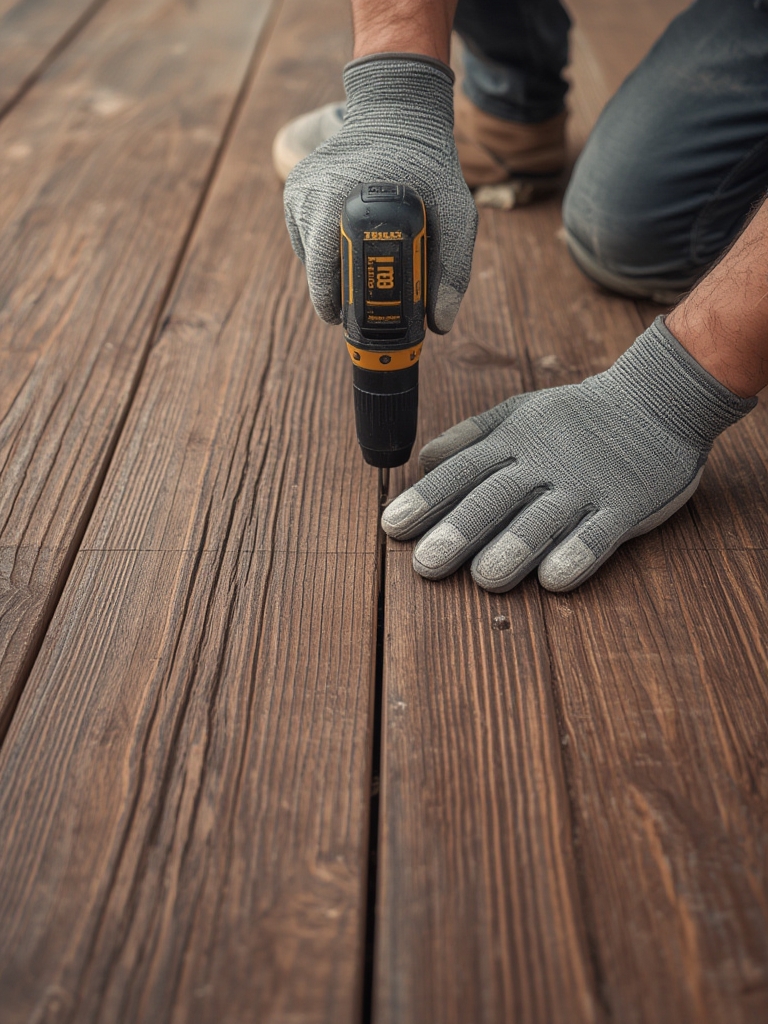
- Understand Installation Requirements: Composite decking often needs specialized fasteners or hidden clips, and some brands require proprietary joist spacing for warranty coverage.
- Budget for Installation and Lifetime Costs: Composite deck boards typically cost $5 to $15 per linear foot before labor—higher than basic wood boards. Installation is more expensive, but annual maintenance (cleaning, repairs) is lower. There are no up-to-date 2024 cost breakdowns available, so get quotes from several local retailers and installers.
- Plan for Maintenance: Despite “low-maintenance” claims, expect to wash the deck at least twice a year with a composite-safe cleaner and remove debris from gaps to avoid mold and staining.
Consider consulting a pro if you’re combining composite decking with intricate features, such as curved stairs, built-in lighting, or integrating with smart home lighting outdoors.
For all-season enjoyment, blending your composite deck with other upgrades like an outdoor pergola or enclosed porch conversion can significantly enhance home value and usability.
Finally, always confirm you are using the correct underlayment and fasteners as specified by your chosen brand. Invalid installation can void your warranty.
Advanced Analysis – Pitfalls, Brand Comparison, and Real-World Issues
Despite marketing, composite decking is not “install and ignore.” Below are common challenges and differences to consider:
- Cost Overruns: Composite decks often run 20–50% higher in upfront costs than wood. While lifetime maintenance can be lower, be sure to factor in all installation costs, including labor and specialized hardware.
- Maintenance Misconceptions: Many believe composite is “no maintenance.” In reality, dirt, pollen, and organic debris collect in grooves and between boards, leading to stains or mold if not cleaned regularly. Oil, sunscreen, and bird droppings can cause stubborn marks.
- Fading and Scratching: Early composites faded significantly, but premium lines (like Trex Transcend, TimberTech AZEK, Deckorators Voyage) now offer best-in-class color and scratch resistance. Budget boards may still show scuffs and lose luster in high-traffic areas.
- Thermal Properties: Some composite and PVC boards can become excessively hot under direct sun, especially in darker colors. Mineral-based options from Deckorators stay cooler and resist expansion, making them ideal for regions with wide temperature swings.
- Warranty Limitations: Most top brands offer 25–50 year limited warranties. However, improper installation, cleaning with harsh chemicals, or neglecting maintenance can void coverage. Always check real warranty exclusions before purchase.
- Sustainability Claims: While Trex and Fiberon use up to 95% recycled materials and divert millions of pounds of waste from landfills (source), there are rarely third-party sustainability certifications on most products.
- Brand and Model Performance Variances: Not all products within a brand are equal—while TimberTech’s AZEK is 100% mold-proof, their entry-level lines use wood fillers and are more vulnerable to moisture.
| Specification | Trex (Transcend) | TimberTech (AZEK) | Deckorators (Voyage) | Fiberon (Concordia) |
|---|---|---|---|---|
| Material | Wood-Plastic | 100% PVC | Mineral-Based | Wood-Plastic |
| Recycled Content | 95% | Up to 60% | Variable | 94% |
| Mold Resistance | High | Entirely mold-proof | Variable | Resists mold (no stain) |
| Thermal Properties | Standard | Stays cooler | Virtually zero movement | Standard |
| Weight | Standard | Standard | 35% lighter | Standard |
One last critical note: consumer complaint data is limited. Most published reviews are curated by brands or retailers. Forums and sites like Reddit show a full range of experiences, so use those to spot “hidden” pain points, such as difficult stain removal, scratching, or warranty disputes.
If you want extra ROI from your outdoor investment, planning your deck alongside a multifunctional kitchen island or even a curbless shower for pool-adjacent spaces can maximize both function and aesthetics.
Conclusion
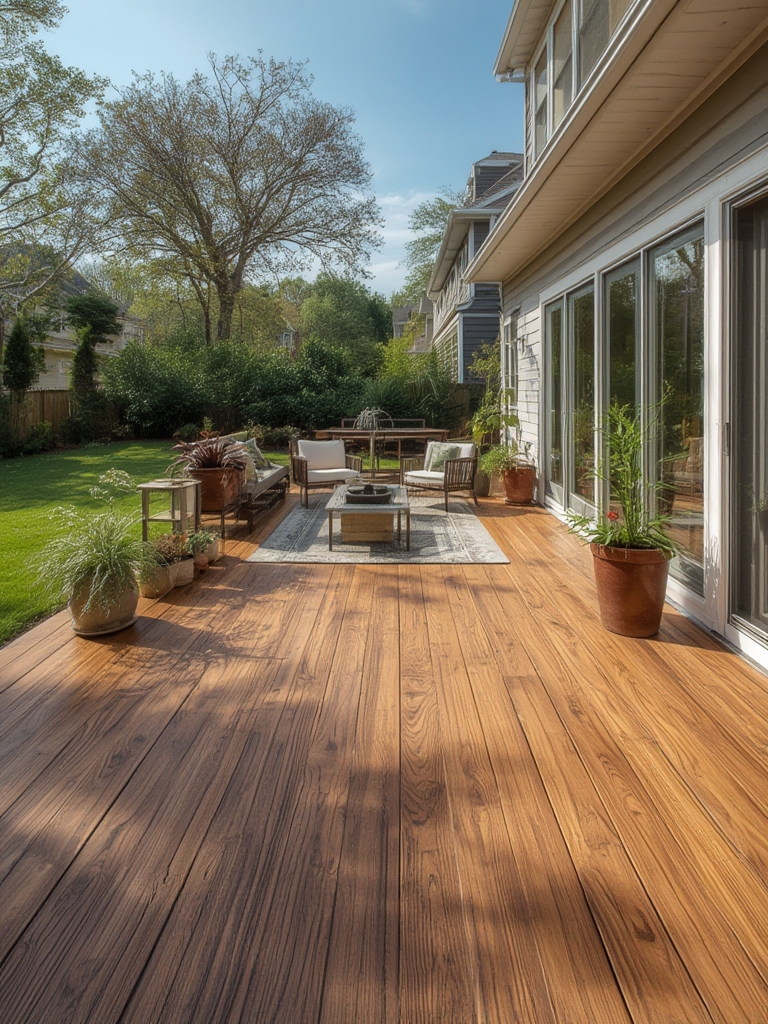
Composite decking remains a top choice for homeowners who value durability, sustainability, and minimal splinters. But the “no-maintenance” myth is overblown: expect regular cleaning and the occasional deep scrub, especially in shaded or damp areas. Upfront costs are high—offsetting them requires smart planning, proper installation, and realistic maintenance expectations.
Before you commit to composite decking, request multiple quotes, check warranty fine print, and talk to real owners in your region. Ready to take your outdoor space to the next level? Start by getting a tailored cost estimate from a local pro or supplier today.
FAQ
Is composite decking really maintenance-free?
No. While composite decking requires less work than wood, you will need to wash the deck regularly to prevent staining, mold, and mildew. Some brands resist these issues better than others.
How long does composite decking last?
Most major brands offer 25 to 50 year limited warranties, but real-world lifespans depend on installation quality, sun exposure, and care. Expect at least 20 years of good use with proper maintenance.
Does composite decking get hot in the sun?
Yes, some boards—especially dark colors and 100% PVC models—can be very hot underfoot in direct sun. Mineral-based composites like Deckorators Voyage stay cooler and are recommended for sunny regions.
Are all composite decking brands equally eco-friendly?
No. Trex and Fiberon use up to 95% recycled content, which diverts waste from landfills. However, third-party environmental certifications are rare, so compare brand transparency carefully.
Can I install composite decking over an old wood frame?
Sometimes. The substructure must be solid, level, and spaced to meet the composite manufacturer’s requirements—otherwise, warranties may be void. Always check brand-specific installation guidelines.