
### Blog Post:
If you want to stop moisture problems, odors, and energy loss beneath your home, crawl space encapsulation is often recommended as the one-step solution. But what does it really involve, how much does it cost in 2024, and what mistakes do most homeowners make? This guide cuts through the confusion with the latest costs, methods, and maintenance tips for a truly sealed crawl space.
Key Takeaways
- Crawl space encapsulation in 2024 generally costs $3,000–$8,000 for most homes, but can range much higher based on repairs, size, and material choices.
- Skipping proper mold remediation or omitting a dehumidifier during a DIY job is the #1 cause of future failures and wasted money.
- Full encapsulation goes well beyond a vapor barrier and delivers better long-term results for moisture, pest, and energy problems.
- What Is Crawl Space Encapsulation and Why Do It?
- Step-by-Step Guide to Crawl Space Encapsulation
- Advanced Analysis & Common Pitfalls
- Conclusion
- Frequently Asked Questions
What Is Crawl Space Encapsulation and Why Do It?
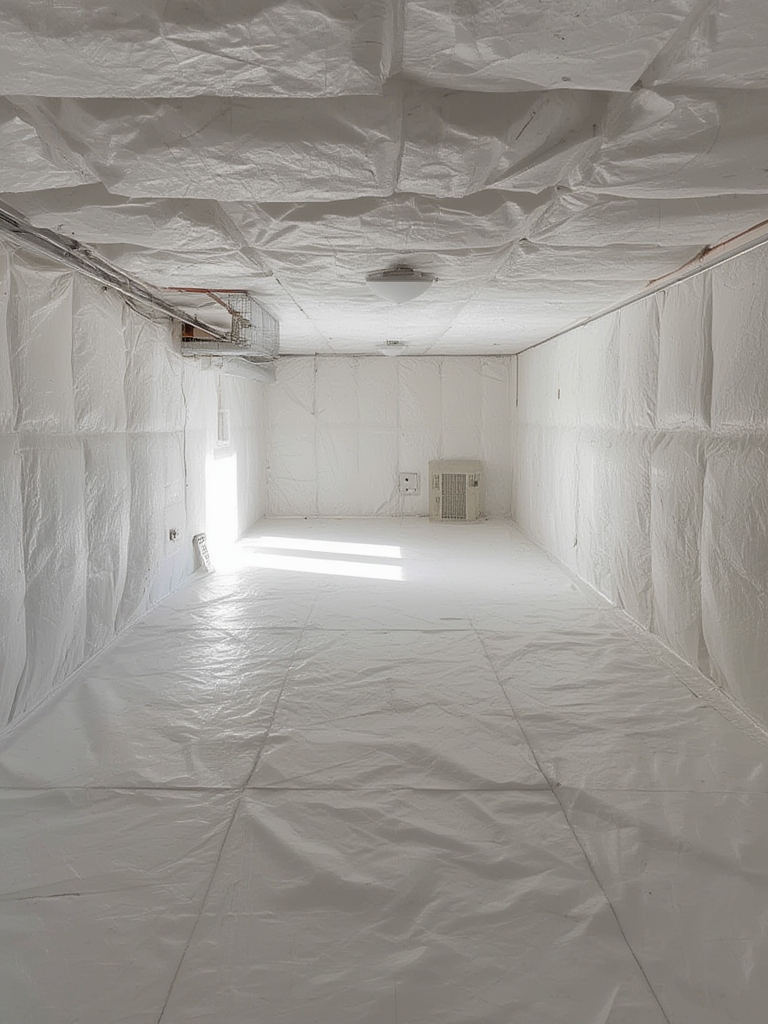
Crawl space encapsulation means fully sealing the ground, walls, and foundation vents of a crawl space using a heavy-duty vapor barrier, insulation, and often a dehumidifier. The goal is to block ground moisture, stop mold growth, discourage pests, and improve your home’s air quality and energy efficiency. Unlike basic vapor barriers, encapsulation creates a continuous seal on all surfaces—protecting flooring, joists, and mechanical systems from decay and humidity year-round.
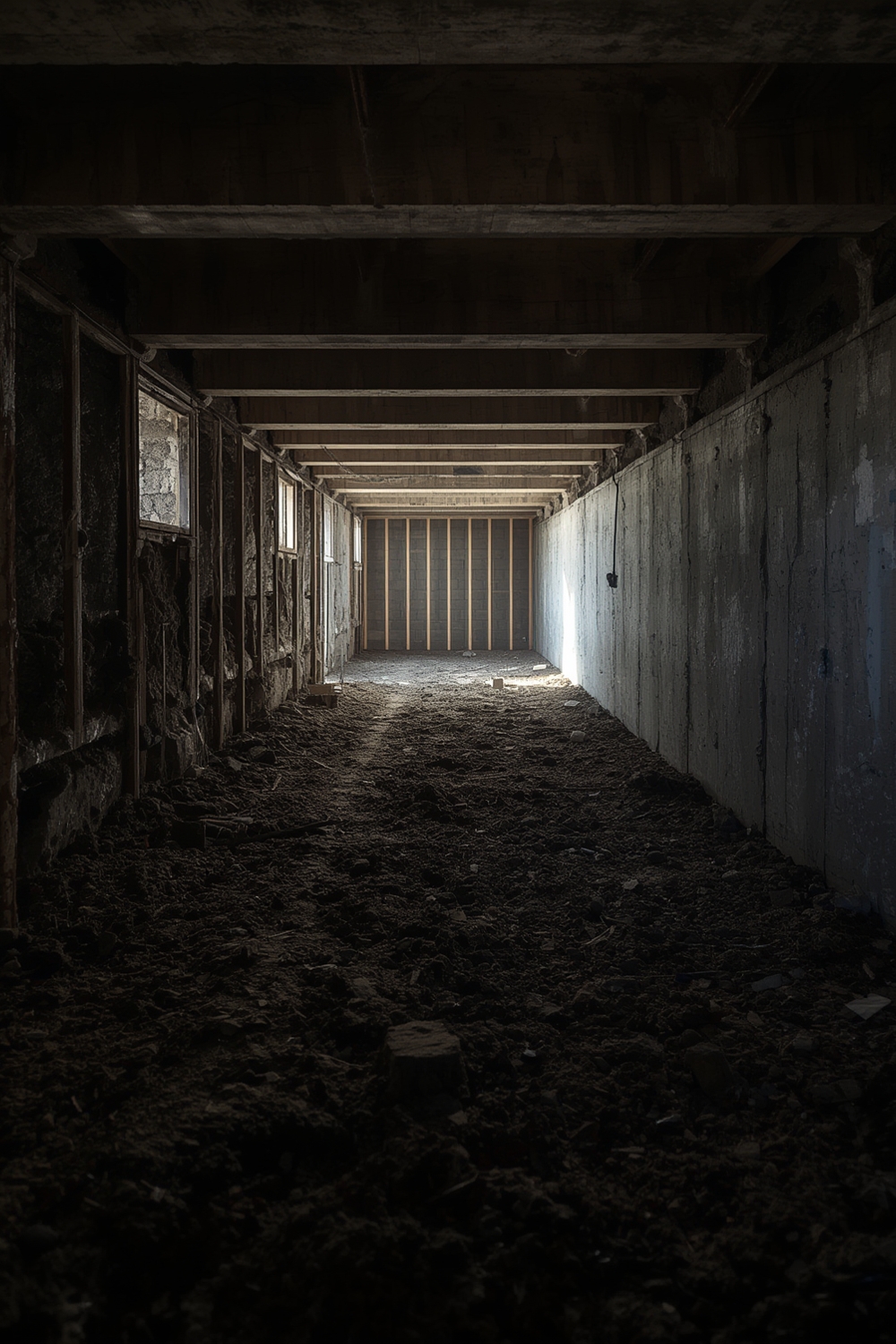
Left untreated, exposed crawl spaces are a top source of home moisture, rot, pest invasions, and even indoor allergens. Encapsulation, especially with a proper 20-mil vapor barrier and air sealing, is recommended after repairs and mold remediation for long-term results. While it’s a major project, it solves recurring headaches from musty odors to sagging floors caused by persistent dampness.
Want to discover other ways to improve air quality and lower energy bills? See our energy-efficient windows guide for smart window upgrades.
Step-by-Step Guide to Crawl Space Encapsulation
Proper crawl space encapsulation is methodical and not just about unrolling plastic. Here’s an actionable breakdown if you’re considering a DIY approach, or want to vet your contractor’s process:
- Initial Inspection & Prep: Clear debris, check for wood rot and standing water, and address any structural or plumbing leaks. Mold or fungal growth must be fully remediated before installing any new materials.
- Seal Vents & Gaps: Block exterior vents and rim joists to prevent humid outside air. Use spray foam or masonry for stubborn cracks.
- Install Vapor Barrier: Lay a 20-mil thick polyethylene barrier (source) over the floor and fully up each wall. Overlap seams and tape securely. Use mechanical fasteners on walls and piers.
- Insulate as Required: Install closed-cell spray foam or rigid board insulation if recommended for your climate.
- Add Drainage (If Needed): Install a sump pump and channel drains if persistent water intrudes. Sump systems average $60–$400 (source).
- Dehumidifier Setup: Install a dedicated crawl space dehumidifier ($800–$1,200) and route its drain line outside.
- Final Air Sealing and Monitoring: Close up the entry point, check for air leaks, and monitor for recurring moisture.
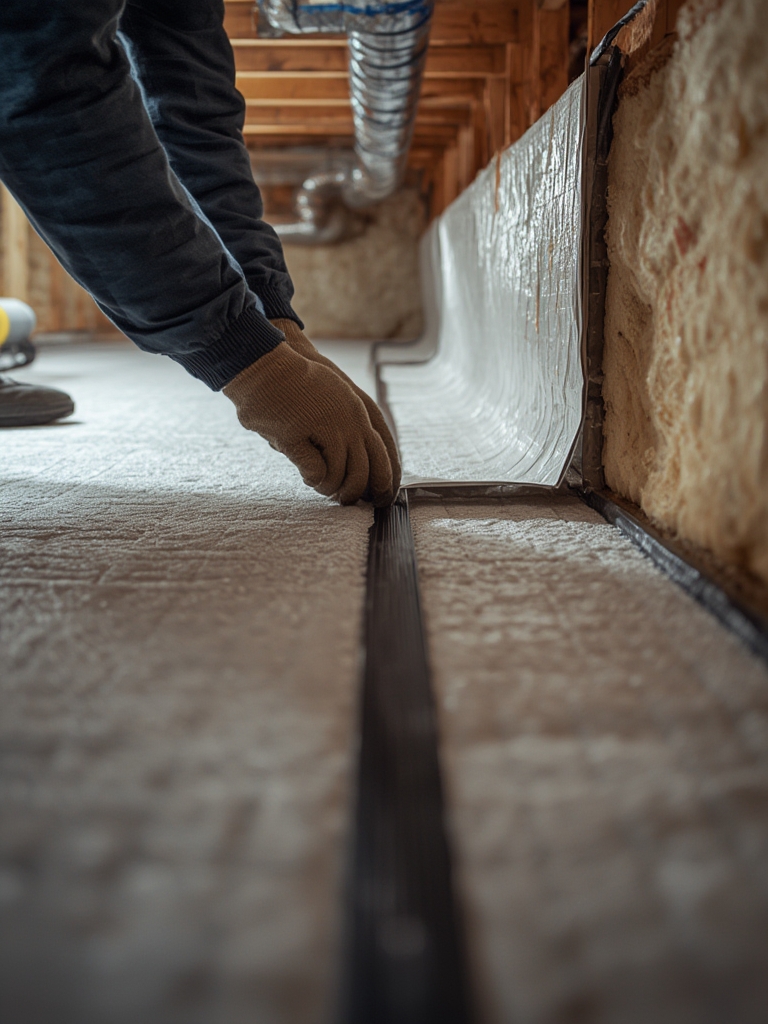
DIY installs can start at $1,500 but often skip essential steps like mold treatment or quality dehumidification (source). For large or damaged spaces, professional costs in 2024 now average $3,000–$8,000, but extensive repair work and larger square footage push prices to $20,000+ (source). For side-by-side project inspiration, see our guide on mastering shower waterproofing—another major home moisture defense.
Advanced Analysis & Common Pitfalls
While encapsulation solves many issues, some common pitfalls and complaints are well-known in 2024:
- Skipping Mold Remediation: Encapsulation placed over active mold lets colonies grow unseen—and can void warranties. Always remediate first.
- No Dehumidifier: Vapor barriers alone cannot deal with humidity from soil or air leaks. DIY projects that skip this allow long-term moisture and odor.
- Poor Quality Barriers: Using thin, 6-mil liners or leaving seams untaped leads to rapid rips and ground moisture leaks.
- Inadequate Sealing/Insulation: Leaving vents open or underinsulating rim joists can invite humid air or cold, negating benefits.
- Basic Installs Miss Full Protection: Homeowners report that “basic” encapsulation often leaves out dehumidifiers, drainage, or full wall sealing—and end up paying for upgrades within a year (source).
| Encapsulation | Insulation Only |
|---|---|
| Includes vapor barrier (20-mil), sealing, often dehumidifier, blocks ground & ambient moisture | Adds R-value but does not stop soil vapor or air leaks |
| Higher upfront cost ($3,000–$8,000+), full system | Lower cost ($1–$4.50/sq ft), not a total moisture solution |
| Helps reduce pest invasion, odors, and energy waste | May allow mold, mildew, pests if vapor barrier not included |
Still weighing upgrades? Explore our guide to garage door replacement for another high-impact, high-ROI home project.
What Makes a Vapor Barrier “High Quality” in 2024?
The gold standard is a 20-mil reinforced polyethylene vapor barrier, rated for strong puncture resistance and termite protection, at an average cost of $0.50–$0.70 per square foot (source). Look for barriers that are specifically labeled for crawl space encapsulation—off-brand or thin plastic sheeting is not enough. While standards like ASTM E1745 exist, most 2024 consumer-grade products highlight thickness and application, not laboratory perm ratings.
How Does Encapsulation Affect Energy Efficiency?
Most industry sources affirm that crawl space encapsulation can help maintain stable indoor temperatures and reduce drafts, but there is little utility or third-party data quantifying energy savings as a percentage. Insulation and sealing add up to practical comfort, but don’t expect a dramatic reduction unless your crawl space was extremely damp or leaky before. Pairing encapsulation with improvements like energy-efficient windows amplifies the benefits through the whole home envelope.
Maintenance After Encapsulation: Mold & Moisture Prevention
Mold prevention starts before encapsulation with thorough remediation. After install, run a dehumidifier year-round and check the vapor barrier for damage at least twice a year. If you spot condensation, odors, or insects, inspect all seams and wall joints closely. Most manufacturers recommend periodic checks, but there are no universally agreed expert protocols as of 2024. Always choose a system with accessible monitoring points for hassle-free upkeep.
Looking for clever ways to maximize home value? Don’t miss our actionable strategies for maximizing your outdoor kitchen investment and walk-in pantry organization.
Conclusion
Crawl space encapsulation in 2024 remains one of the most effective ways to shield your home from hidden moisture, energy loss, and mold. Costs can vary widely based on prep and material quality. The process is more than just rolling out plastic—it requires high-standard barriers, air sealing, mold control, and ideally a dedicated dehumidifier. If you’re uncertain, consult with a pro and ask for a full system, not a “bare minimum” install. Ready for healthier air and peace of mind? Take action—your crawl space, and your home, will thank you.
Frequently Asked Questions
How much does crawl space encapsulation cost in 2024?
For most homes, expect to pay between $3,000 and $8,000, but costs can reach $30,000 for large or damaged spaces. DIY projects start at about $1,500 but are often incomplete without extras like dehumidifiers. Get all costs in writing with your contractor and make sure they include prep work and drainage if needed.
Is crawl space encapsulation worth the investment?
Encapsulation adds value by stopping chronic moisture, reducing odors, preventing pests, and protecting structure. While the upfront cost is significant, it avoids repeated repairs and can result in lower energy bills and a healthier home environment.
Can I encapsulate my crawl space by myself?
Basic encapsulation is possible as a DIY, but without mold remediation and a dehumidifier, results rarely match professional installs. Risk factors include missing leaks, thin barriers, and hidden mold that lead to wasted effort and rework.
How do I maintain my encapsulated crawl space over time?
Inspect the vapor barrier and dehumidifier twice a year for tears, leaks, or signs of moisture. Address any punctures immediately and keep the dehumidifier running to control humidity. If you notice new odors or insects, do a thorough visual inspection or call a pro.
How is encapsulation different from just insulating my crawl space?
Encapsulation seals out soil moisture using a reinforced vapor barrier, dehumidification, and vent sealing. Insulation only adds R-value and may not stop ground vapor or pests without a full vapor barrier and air sealing system.