
Curbless shower installations are redefining modern homes, aging-in-place remodels, and luxury bathrooms. As demand climbs, homeowners and designers must weigh both the sleek benefits and surprising real-world challenges behind this advanced shower solution.
Key Takeaways
- Curbless showers combine barrier-free access with minimalist style—perfect for aging-in-place and universal design projects.
- Correct installation and drainage are essential; common mistakes cause leaks, slip hazards, and comfort complaints.
- Costs are higher up front, but curbless showers can reduce long-term maintenance compared to traditional curbed models.
- What Is a Curbless Shower and Why Are They Trending?
- How to Build a Curbless Shower: Step-by-Step Instructions
- Advanced Analysis: Issues, Pitfalls, and Cost Comparisons
- Conclusion
- FAQs
What Is a Curbless Shower and Why Are They Trending?
Curbless showers, also known as barrier-free showers, eliminate the raised edge—called a “curb”—between the shower floor and the rest of the bathroom. The shower floor blends seamlessly with the bathroom floor, often using stainless steel linear drains to prevent water pooling and make entry easy for everyone.
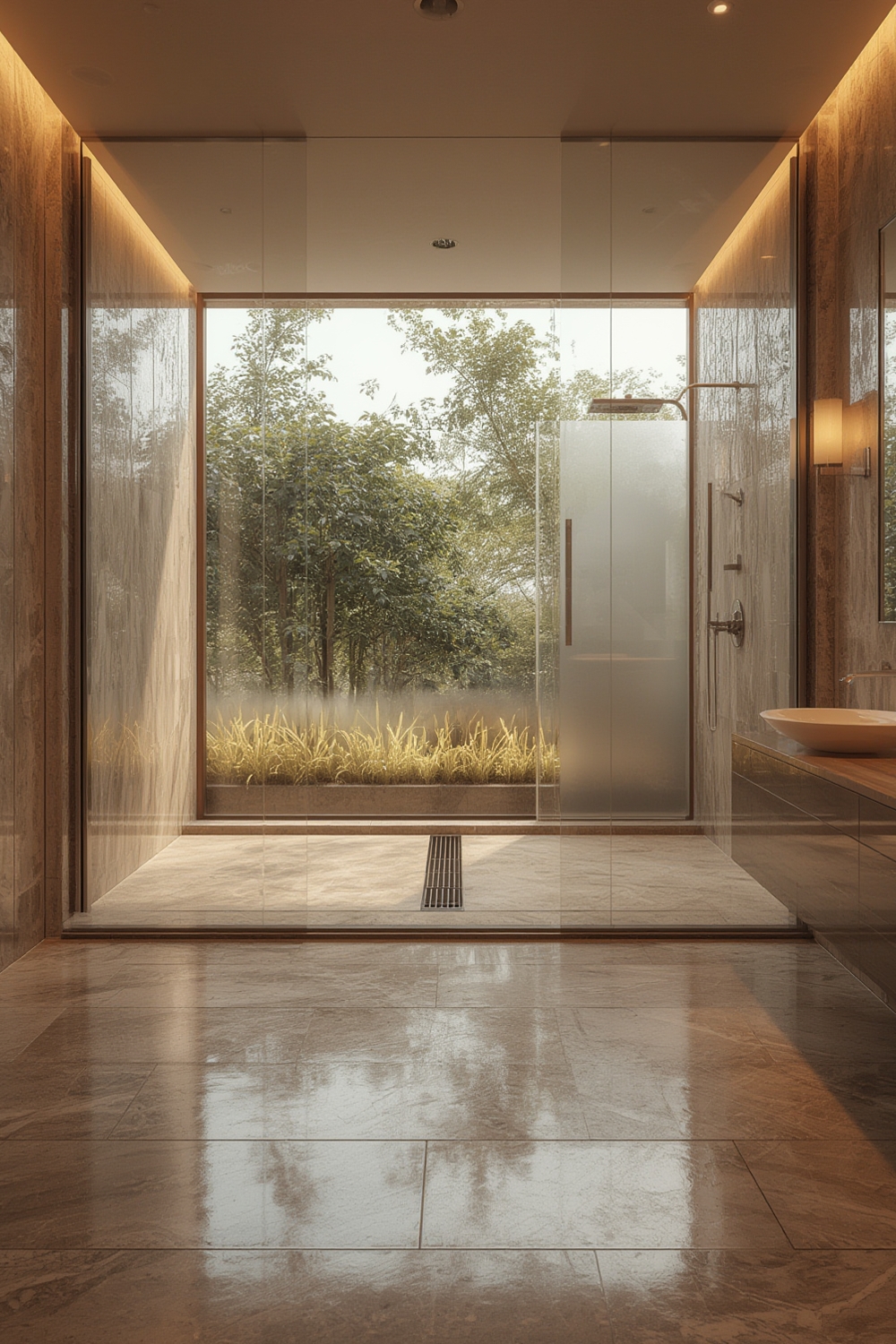
This universal design isn’t just about aesthetics; it’s about accessibility. In 2024, roughly 24% of remodeled bathrooms now feature a curbless shower, and over 70% of high-end residential projects specify them for their sleek look and aging-in-place capability. The trend is poised to climb even higher, thanks to growing demand for accessible bathrooms, linear drainage systems, and modern wet room concepts.
Homeowners cite reasons such as:
- Zero-threshold entry for wheelchair access
- Streamlined, minimalist aesthetics
- Easier cleaning and fewer crevices for mold to grow
- Future-proofing homes for aging in place
But curbless showers also have drawbacks—notably splash control and higher upfront installation costs.
For in-depth comparisons, see our guides on curbed vs. curbless showers and drainage system comparisons.
How to Build a Curbless Shower: Step-by-Step Instructions
Proper planning and execution are crucial. Here’s a step-by-step breakdown for a successful curbless shower installation:
- Structural assessment: Check your subfloor type. Concrete slab floors typically need to be recessed to accommodate drainage pitch. Wood-framed subfloors may require joist modification for level access.
- Plan drainage: Most projects use a linear drain along the shower entry or side wall. Map tile slopes—at least 1/4″ per foot toward the drain—for water flow.
- Waterproofing: Use sheet or liquid membranes that lap up the wall and integrate seamlessly with the drain body. Overlap seams carefully.
- Install the drain: Set a stainless steel linear drain flush with the final tile height. Confirm compatibility with your waterproofing system and test for leaks before moving on.
- Floor preparation: Apply sloped mortar or pre-sloped shower pans. Ensure no “bird baths” or puddles remain.
- Tile installation: Choose larger-format tiles (24″ × 48″ or above) for a seamless look but do not compromise on slip resistance. Use epoxy or waterproof grout for longevity.
- Glass wall or enclosure (if desired): Frameless or partial glass panels help control splashing. Wet room concepts may opt for a completely open layout—just ensure drainage is robust.
- Final waterproofing test: Final waterproofing test the area for leaks.
- Finishing touches: Install grab bars, built-in benches, or smart shower controls if accessible or luxury features are desired.
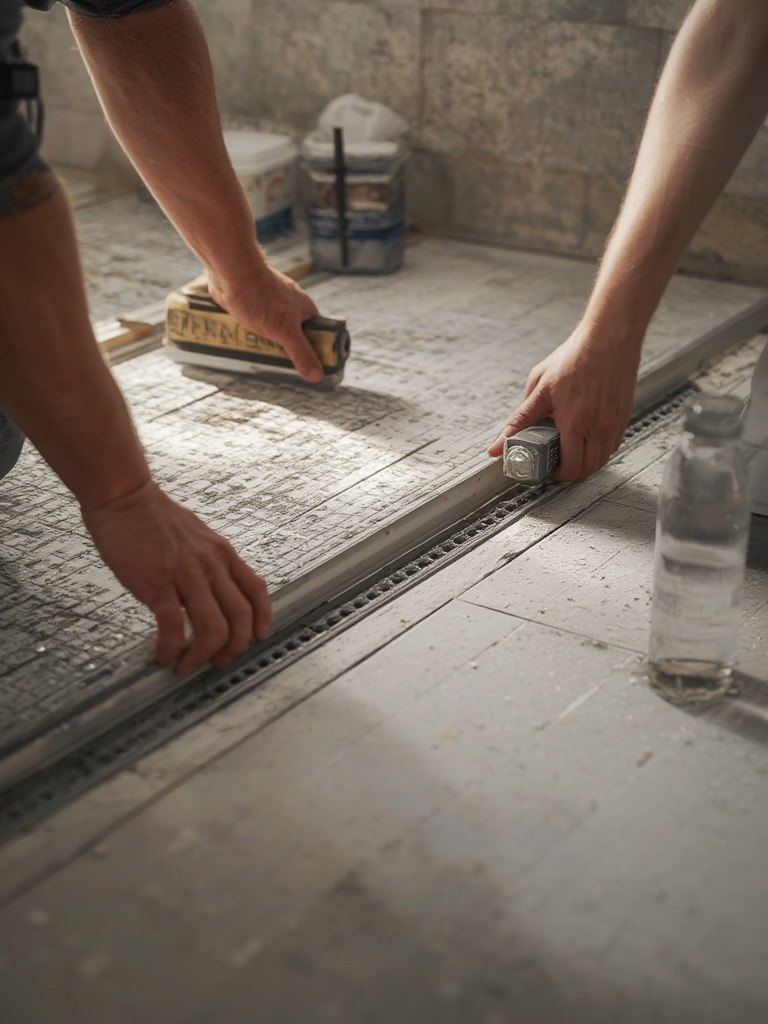
For an illustrated walkthrough, see our curbless shower waterproofing guide.
Also, check out our project gallery for accessible bathroom ideas.
Advanced Analysis: Issues, Pitfalls, and Cost Comparisons
While the visual appeal and accessibility of curbless showers are undeniable, user reports and research highlight critical issues that often go overlooked.
Safety Complaints and Comfort Issues
- Splash Risk: Without well-positioned glass, water easily escapes the showering area, creating slip hazards—especially for seniors and kids.
- Warmth Loss: Open layouts sometimes feel drafty, affecting comfort during and after showers.
- Drain Placement: If the linear drain is not correctly aligned, residual water may migrate outside the intended area.
Cost Comparison: Curbless vs. Traditional Showers
| Feature | Curbless Shower | Traditional Curbed Shower | Low-Threshold Shower |
|---|---|---|---|
| Upfront Cost* | $500-700 higher | Baseline | Similar or slightly above baseline |
| Maintenance (Long-Term) | Lower; fewer nooks for grime | Higher; corners attract mold | Not widely reported |
| Common Failures | Drain/slope errors, splash zones | Grout/mold buildup | Grout/mold with less risk |
Source: PHX Home Remodeling, Intel Market Research
Technical Mistakes That Lead to Failure
- Improper waterproofing—not tying membrane to drain edges
- Insufficient pitch—leading to slow drainage or pooling
- Poorly set linear drains—causing leaks beneath tile
- Inadequate splash protection—no glass, causing slip incidents outside the shower
- Hiring general contractors unfamiliar with barrier-free systems
For comprehensive information on shower regulations, see our ADA bathroom requirements guide.
New features like frameless glass and large-format tiles make installation more demanding, with product selection increasingly important. Frameless glass improves hygiene, and digital controls can enhance the user experience, especially in aging-in-place remodels.
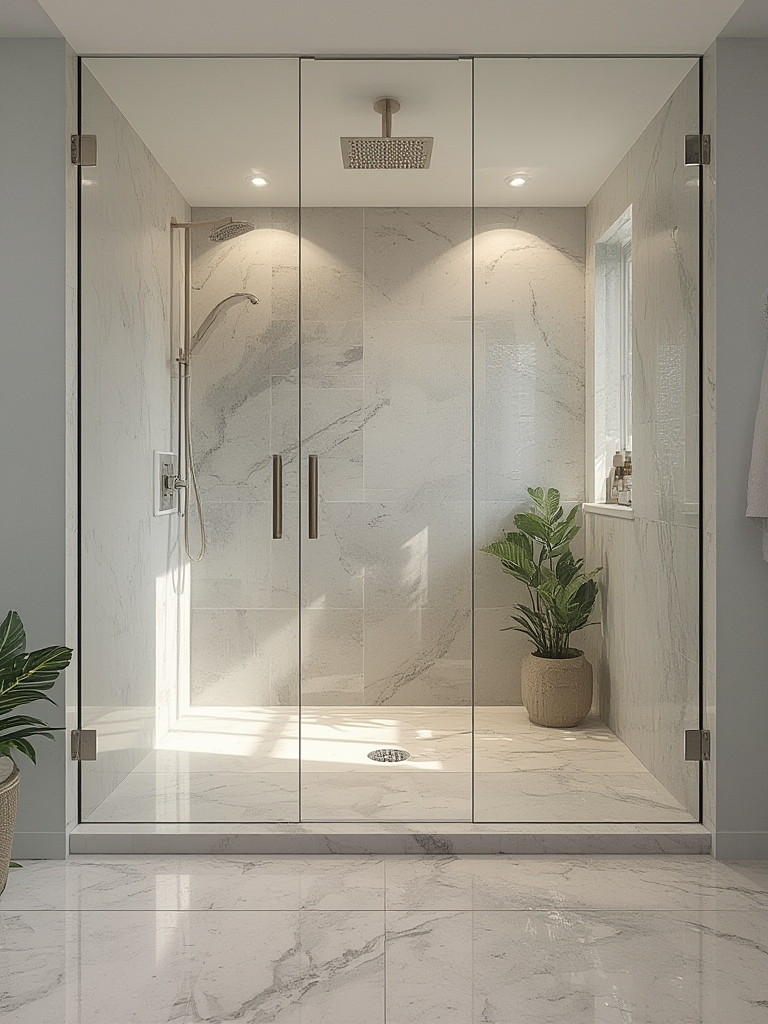
For drainage products and style inspiration, visit this market research report and browse USA Cabinet Store’s standard shower size guide.
Conclusion
Curbless showers deliver crisp, modern style and make bathrooms accessible to everyone—including those with mobility challenges. However, achieving a flawless result requires careful planning: professional waterproofing, efficient drainage, and smart splash control are not optional. While the upfront price is higher, ongoing cleaning and long-term maintenance often cost less, making a curbless shower a smart investment for the right home.
Ready to upgrade your bathroom? Start by learning about walk-in shower remodels or book a design consultation with our experts today.
FAQs
Are curbless showers really safer for seniors?
Yes, curbless showers remove tripping hazards and offer easy wheelchair or walker access. However, poor splash control can make adjacent floors slippery, so adding well-placed glass and grab bars is essential.
How do I keep water from getting everywhere with a curbless shower?
Use a linear drain with the correct slope, install at least one strategically placed glass panel, and ensure your floor is properly waterproofed outside the shower area.
Is a curbless shower more expensive to install?
Generally, yes. Expect to pay $500 to $700 more than for a traditional curbed shower due to extra labor and the need for premium drainage solutions.
Can I retrofit an existing bathroom with a curbless shower?
In most cases, yes—but it may require subfloor modifications, especially on concrete slabs or upper floors. Always consult with an experienced barrier-free shower contractor.
Are there special building codes for curbless showers?
Curbless showers generally comply with ADA zero-threshold requirements, but no major code changes occurred between 2022 and 2024. Always verify local plumbing and waterproofing codes before starting work.