

### Blog Post:
Custom built-in storage has become one of the smartest, space-maximizing upgrades for modern homes in 2024. Whether you’re renovating a kitchen pantry, designing a mudroom, or looking to declutter your living room, integrated solutions offer tailored functionality that off-the-shelf storage simply cannot match.
Key Takeaways
- Custom built-in storage makes even awkward spaces functional, boosting organization and home appeal.
- Planning and technical considerations are critical—mistakes can be hard and costly to reverse.
- Choose high-quality materials and professional installation for the best long-term value.
- What Is Custom Built-In Storage and Why Choose It?
- How to Plan and Build Custom Built-In Storage (Step-by-Step Guide)
- Advanced Analysis & Common Pitfalls
- Conclusion
- FAQ
What Is Custom Built-In Storage and Why Choose It?
Custom built-in storage refers to cabinetry, shelving, and organization systems that are permanently constructed to fit your home’s exact dimensions and needs. Unlike modular units or freestanding furniture, built-ins are designed specifically for your walls and rooms, often stretching from floor to ceiling and integrating features like lighting, outlets, or hidden compartments.
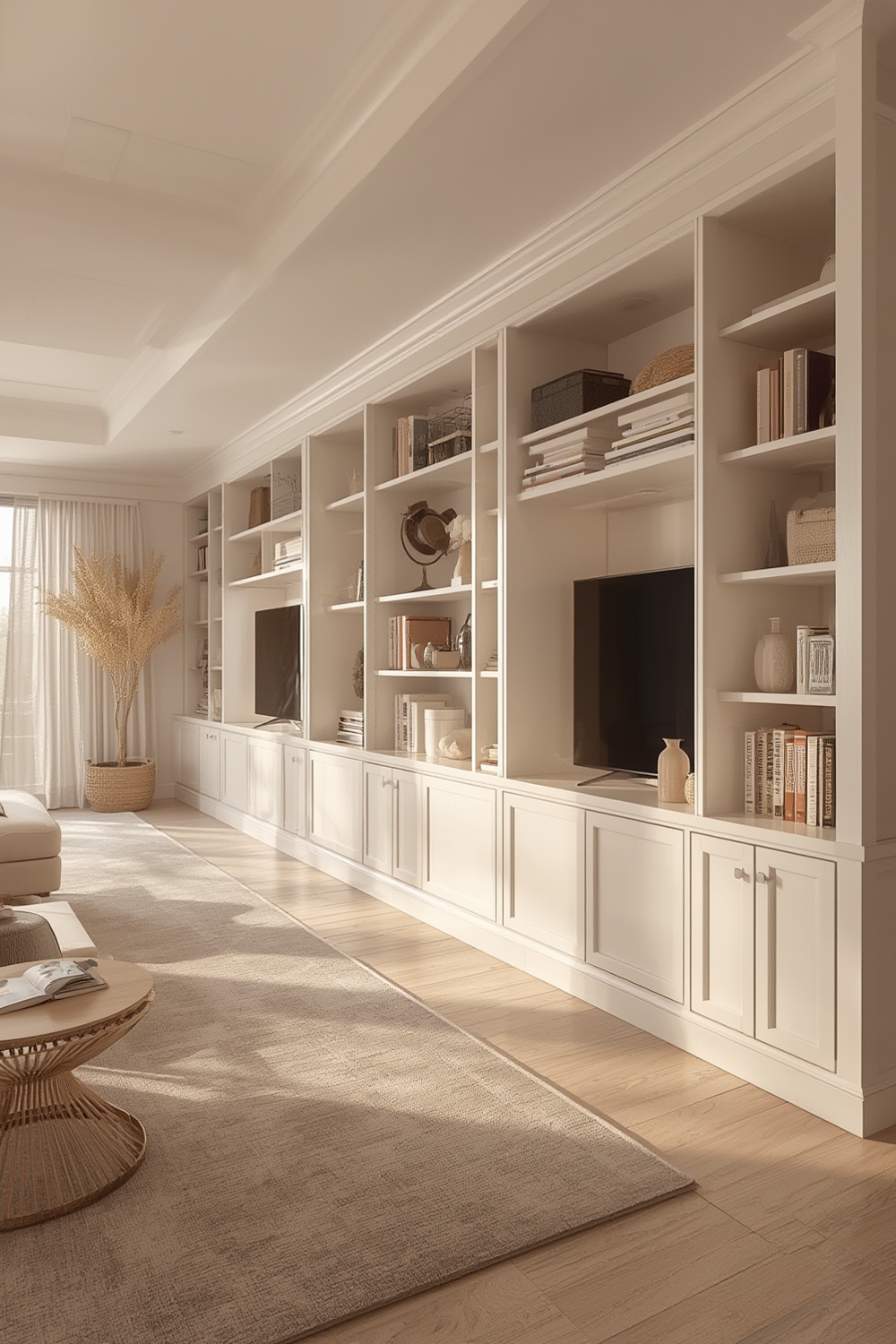
The appeal comes from both form and function. Built-ins make use of every inch—even odd corners, sloped ceilings, or spaces around doors—and can be tailored to your style, whether modern, traditional, or anywhere in between. For example, a walk-in pantry renovation can include adjustable shelving and hidden appliance garages built precisely for your kitchen’s footprint.
In 2024, demand continues to rise. The global modular storage system market alone is valued at USD 23.6 billion and projected to grow at 6.6% annually. While not all modular, the surge reflects a larger push toward personalized home organization. Modern custom cabinetry, including built-ins, is predicted to reach USD 30.16 million by 2033 (source).
How to Plan and Build Custom Built-In Storage (Step-by-Step Guide)
Done right, custom built-ins offer lifelong value. Follow these steps for a smooth project with results you’ll love for years:
-
Identify Your Storage Needs
Start by listing what you want to store. In a mudroom, this could be backpacks, shoes, and coats. In a living room, maybe books, electronics, and display pieces. Define your pain points, like “nowhere to hide chargers” or “open shelves get dusty.” -
Measure Twice, Design Once
Precision is critical. Use a tape measure and laser level for accuracy. Sketch the space or use design software. For awkward corners or pantry renovations, refer to these pantry storage ideas for inspiration. -
Choose Materials Wisely
High-traffic spaces like mudrooms need durable panels—consider plywood or painted MDF for affordability, or hardwood for premium results. According to the latest market report, metal remains dominant in modular storage due to durability but isn’t always ideal for residential interiors. -
Plan Utility Integration
If your built-in will hide outlets, lighting, or HVAC vents, address these early. Work with an electrician for code compliance—common for entertainment walls or home offices. For more on integrating tech, the smart home lighting guide can help. -
Hire a Pro or DIY?
Installing built-ins is rarely as simple as screwing cabinets to drywall. Complex projects with structure or ventilation needs are best handled by an experienced carpenter. If you DIY, research wall anchoring techniques carefully, especially for floor-to-ceiling units. -
Finishing Touches
Add soft-close hardware, custom paint/stain, or integrated lighting. Adjustable shelves and cubbies create flexibility for changing needs.
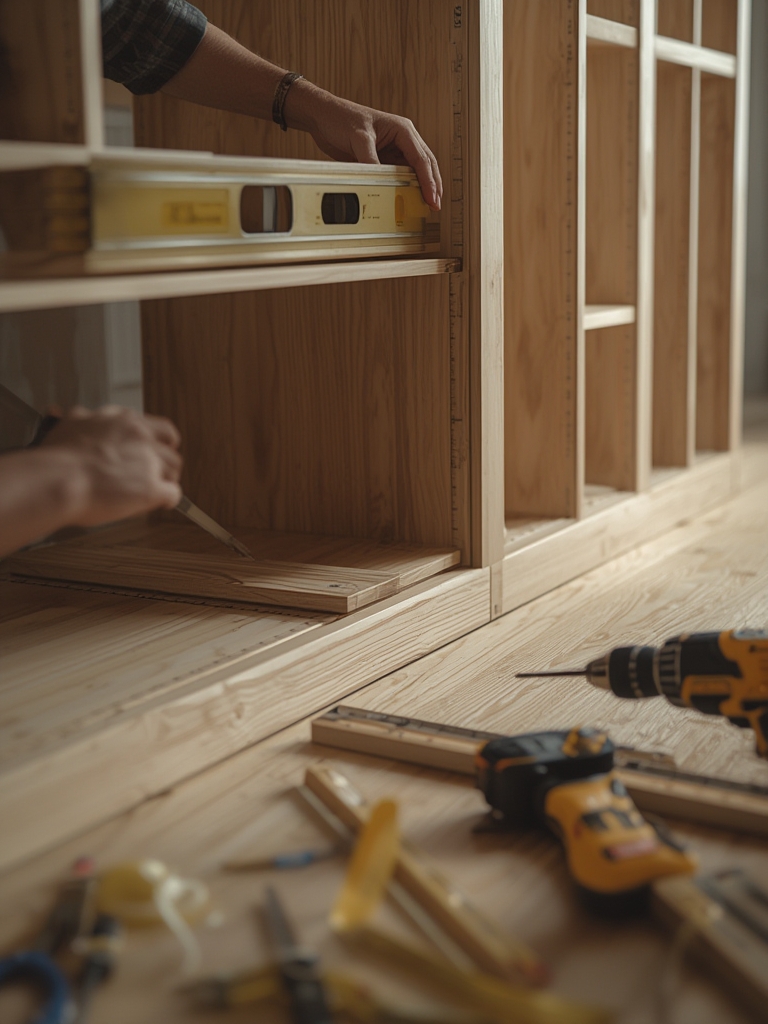
If you’re tackling a butler’s pantry, see our butler’s pantry design guide for ideas on layout and finishes that blend with kitchen cabinetry. For modern spaces, natural wood cabinetry can add warmth and stay on trend.
Custom built-ins are not just for interiors. In outdoor kitchens or patios, use the same principles for weather-resistant, integrated outdoor cabinetry—see the outdoor kitchen value guide.
Advanced Analysis & Common Pitfalls
No renovation is without its hurdles. From planning to installation, here’s what can go wrong and how to minimize risk:
- Unrealistic Timelines: Custom work takes longer. Expect 4-8 weeks from design to install for most projects, especially if ordering specialty materials.
- Budget Overruns: Price creep is common if you choose higher-grade hardware or change specs late in the process.
- Hidden Obstacles: Electrical wiring, structural beams, or uneven walls can derail installations. Always explore behind drywall and in ceilings before finalizing plans.
- Poor Material Choices: Using the wrong substrate—like particleboard in damp basements—can lead to swelling, warping, or mold.
- Future Flexibility: Fixed shelving often fails to accommodate evolving storage needs. Wherever possible, integrate adjustable components.
- DIY Mistakes: Insecure anchoring or poor trim work makes projects look and perform worse than pre-fab units. If in doubt, consult a professional.
| Off-the-Shelf vs. Custom Built-In Storage | Pros | Cons |
|---|---|---|
| Off-the-Shelf Storage | Lower cost, fast installation, easy to move or replace | Wasted space, limited design choices, rarely blends with décor |
| Custom Built-In Storage | Maximizes every inch, tailored to style and needs, higher perceived value | More expensive, permanent, can be complex and time-consuming |
While statistics for custom closets show that millions are installed yearly in North America, keep in mind that resale value improvements are subjective and depend on execution and market trends.
Conclusion
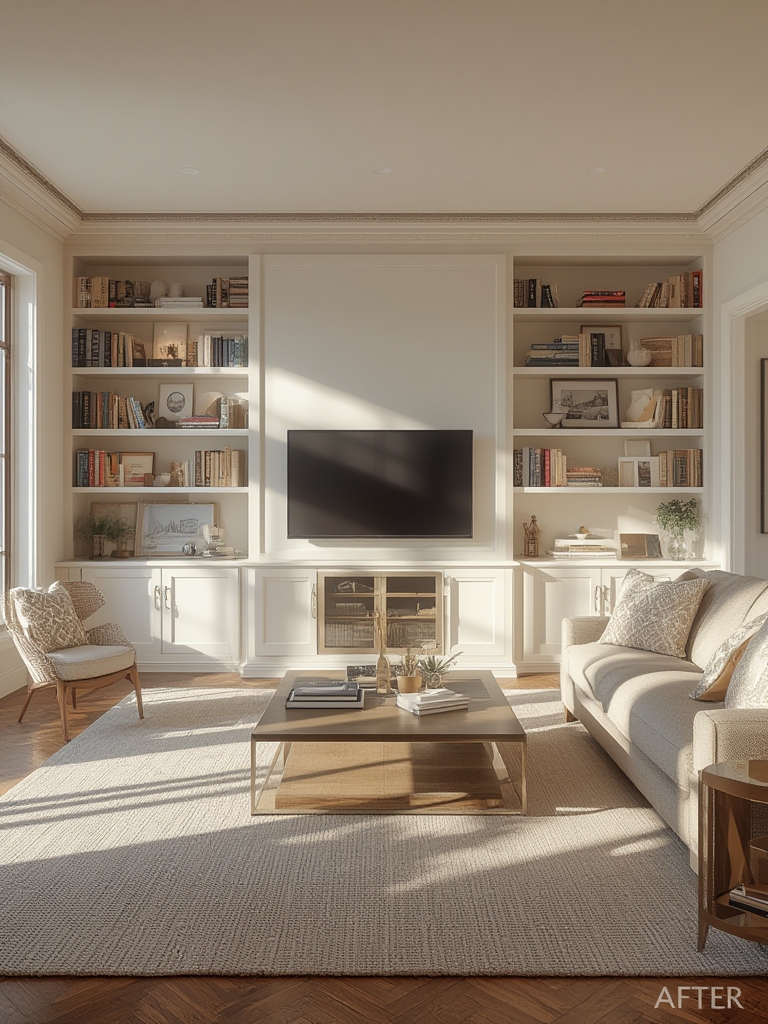
For homeowners seeking to maximize space, boost organization, and introduce style, custom built-in storage remains one of the most effective strategies in 2024. The investment pays off in everyday convenience and elevated design, as long as you plan for your unique workflow and avoid common pitfalls. Ready to transform your storage? Explore more walk-in pantry renovation projects and get started with your own custom built-in storage solution today.
FAQ
How much does custom built-in storage cost in 2024?
Costs vary based on size, location, and materials. Typical projects start around $2,500 for small built-ins and can exceed $10,000 for extensive wall units. Specialized features like integrated lighting or premium wood increase the price.
Can I DIY custom built-in storage or should I hire a professional?
Simple units may be suited for DIYers with good carpentry skills, but complex projects with electrical, structural, or intricate trim details are best handled by professionals. Improper installation may reduce durability and detract from your home’s value.
Do built-in storage solutions add value to my home?
Well-executed built-ins are a strong selling point for most buyers, especially in high-demand markets. However, value increases depend on design quality and how well the storage fits the space. There is no guarantee of return on investment, but built-ins do signal attention to organization and detail.
What materials hold up best for custom built-in storage?
High-grade plywood, hardwoods, and MDF are common choices for interiors. For garages or laundry rooms, powder-coated metal can be ideal. Always match materials to expected wear, humidity, and your personal style preferences.
Where can I find more inspiration for built-in storage?
Our guides on butler’s pantry design, outdoor kitchens, and natural wood cabinetry provide further inspiration for custom upgrades in every room.
—