

Garage conversion ADU lets you unlock livable space and rental income without the cost of a full addition or a detached unit. If you want extra income, more space for family, or a flexible guest suite, this realistic guide covers cost, ROI, key steps, and real-world pitfalls you need to know before starting.
Key Takeaways
- Garage conversion ADU projects cost far less than building a detached ADU, with typical costs from $9,659–$51,659.
- ROI averages 70–80%, but hidden costs (electrical, plumbing, code compliance) can surprise homeowners.
- Diving in without permits or code research is the #1 cause of failed or stalled garage conversion ADU projects.
- What Is a Garage Conversion ADU and Why Consider It?
- Garage Conversion ADU: Step-by-Step Guide
- Real-World Pitfalls, Advanced Analysis & Cost Comparisons
- Conclusion
- FAQ
What Is a Garage Conversion ADU and Why Consider It?
Converting your existing garage into an accessory dwelling unit (ADU) means turning a parking or storage space into a legal, livable residence or guest suite. Unlike a full addition or separate structure, a garage conversion ADU uses your existing footprint. Costs are typically lower, construction is faster, and permits are less complex than new-build options. You gain rental potential, a private suite for family, or more resale value, all using space you already own.
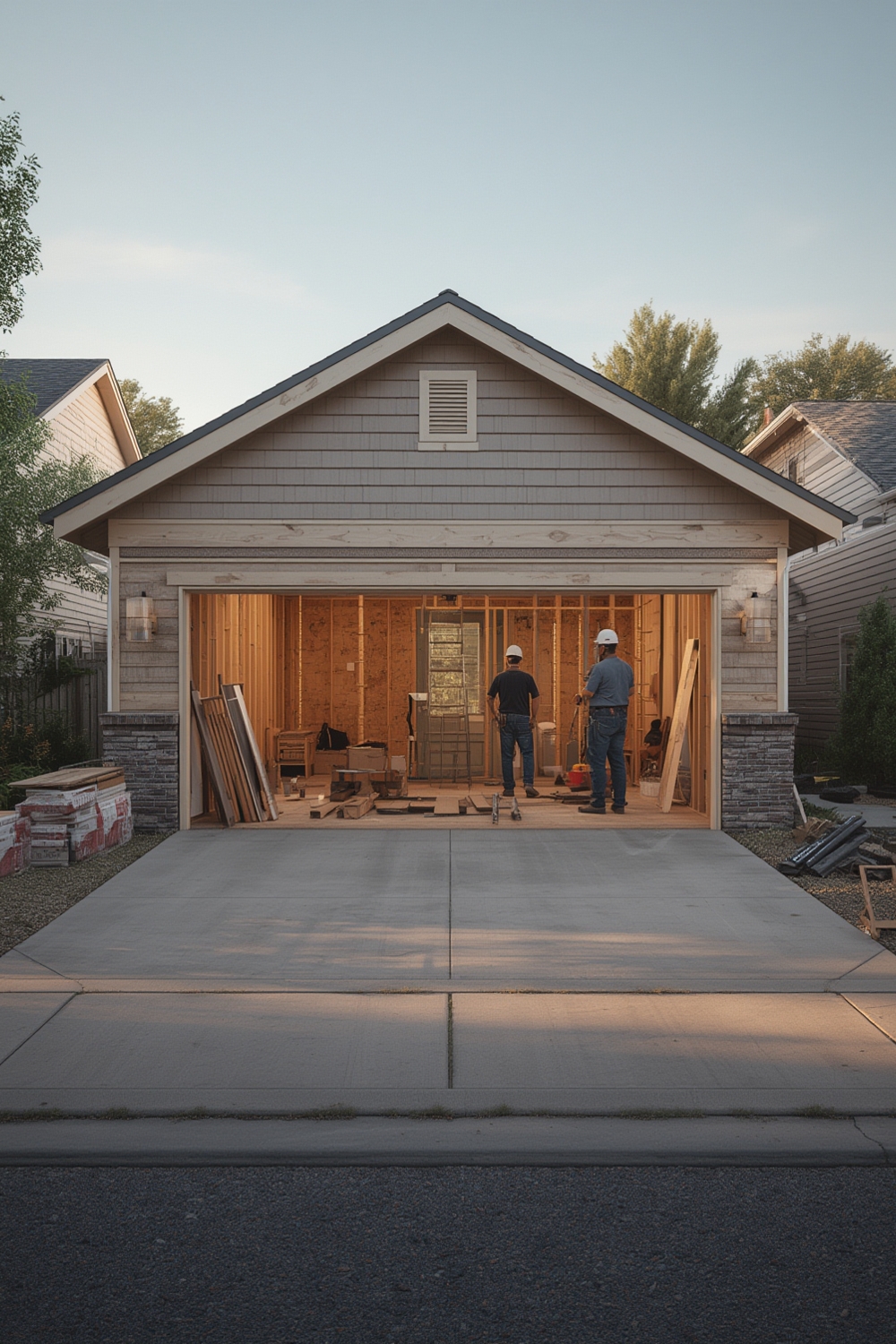
Most garage conversion ADUs transform an attached or detached garage into a studio or one-bedroom apartment, complete with bathroom, kitchen, and windows for natural light and emergency egress. This solution suits homeowners seeking steady rental income or multigenerational living without giving up outdoor space—making it especially popular in high-demand cities where new additions are difficult or costly.
For example, a standard two-car garage (about 400 square feet) can become a high-quality living space for as little as $7,200 with basic finishes, or up to $20,000 for complete plumbing, electrical upgrades, and luxury touches. Compare that to $100,000 to $300,000 for a new detached ADU (source). The return on investment, especially in cities with high rents and tight zoning, makes garage conversion ADUs one of the fastest payback home improvement projects today.
Garage Conversion ADU: Step-by-Step Guide
Here is a direct, actionable path to your own garage conversion ADU—whether you plan to DIY or bring in pros.
- Research Local Codes and Permits: Check city building codes for ADUs, setback requirements, parking replacement, minimum room size, maximum unit size, and fire/life safety. Permit costs typically run $1,200–$2,000 (source).
- Assess Your Garage’s Condition: Look for moisture problems, low ceilings, slab cracks, or foundation issues. Detached garages may need more work to meet habitable standards; attached conversions usually cost about 10–15% less due to existing utilities (source).
- Create a Design and Budget: Draft plans, accounting for kitchen, bathroom, insulation, windows/egress, independent HVAC, and separate electrical. Most projects run $18–$50 per square foot (source).
- Hire Pros or DIY: Hire a designer or architect for plans. Get detailed bids from contractors. If DIY-ing, read about the step-by-step process of remodeling smaller spaces to avoid missing sequencing details.
- File Plans and Get Permits: Submit plans, pay permit fees, then await review. Gathering accurate site data and responding swiftly to corrections can speed this process.
- Begin Construction: Tackle the project in logical order: slab prep and leveling, install or upgrade plumbing and electrical, insulate, run HVAC, frame interior walls, add windows/doors, then finish drywall, floors, and fixtures.
- Call Inspections Regularly: Each phase (rough plumbing, electrical, insulation, framing) typically requires inspection before moving forward. Build time varies from 8–16 weeks for most standard conversions.
- Pass Final Inspection and Register Your ADU: Secure a certificate of occupancy. Only then can you legally rent or use your new garage ADU as a dwelling unit.
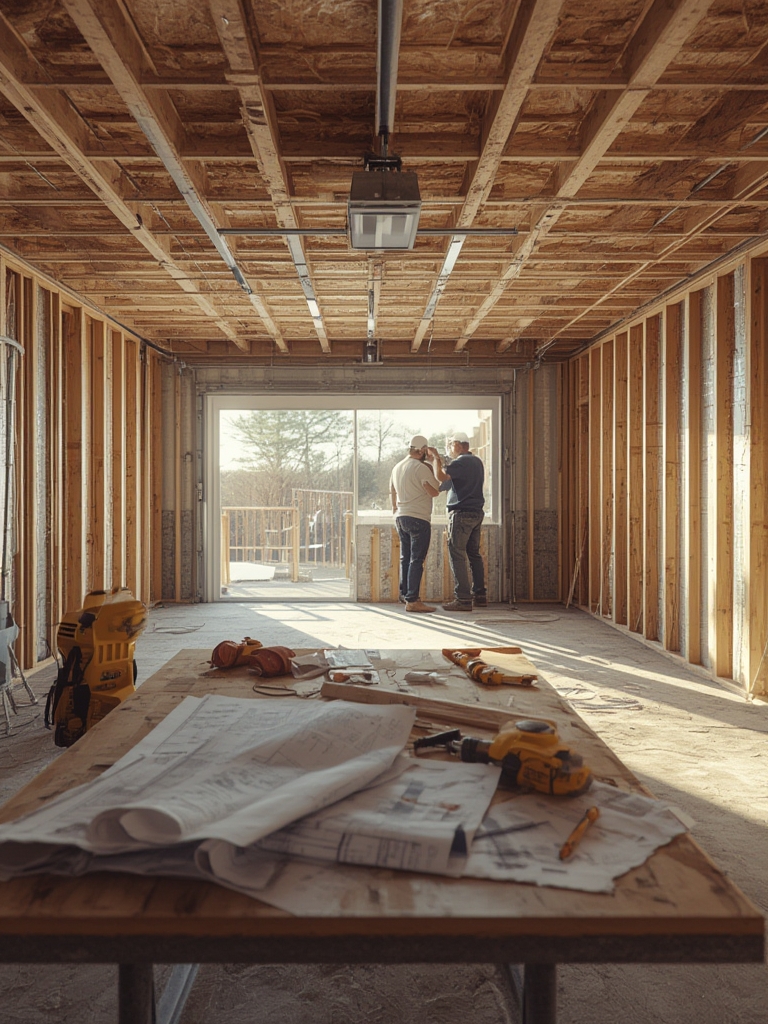
Don’t forget to plan for insulation and efficient windows—our energy-efficient windows guide helps pick the right upgrades, which will reduce long-term heating and cooling costs.
If you run new electrical, investigate integrating a smart electrical panel for circuit-level load monitoring and safety upgrades—this is especially valuable if you plan to add an EV charger or additional appliances later.
Financing tip: If you’re tight on cash, explore home equity lines, renovation loans, or local ADU incentive programs—some cities provide cash rebates or tax credits for conversions meeting energy and access standards.
Once complete, consider a small patio addition for tenants or guests; even a modest outdoor space makes the unit much more marketable!
Real-World Pitfalls, Advanced Analysis & Cost Comparisons
Garage conversion ADUs look straightforward, but real-world projects hide traps for the unwary. Here’s the advanced analysis based on industry and owner data:
| Project Type | Typical Cost Range | Payback Period (ROI) | Cost Per Sq.Ft. |
|---|---|---|---|
| Garage Conversion ADU | $10,000 – $150,000 | 3–6 years | $18–$50 |
| Detached ADU | $100,000 – $300,000 | 4–7 years | $40–$70+ |
Common Pitfalls and Problems to Avoid
- Code Violations: Not all garages meet strict ADU habitability codes—especially ceiling height, insulation, natural light, and emergency egress. Failing to upgrade utility service or install code-compliant windows is a top reason projects stall in inspection.
- Permit Delays: In hot markets (California, Texas, Oregon), city review can stall for months if plans aren’t precise or if property lines, parking, or utility access are unclear. Permit costs are predictable, but timing is not—especially for detached or older structures.
- Underestimating Utility Upgrades: Most garages lack sufficient electrical, plumbing, or main sewer connections. Adding a kitchenette or second bathroom often triggers thousands in surprise electrical or wastewater fees.
- Construction Surprises: Garages may have sloped floors, thin slabs, pest damage, water issues, or old framing. Leveling, reinforcing, or replacing materials can quickly drive up costs. A full conversion breakdown often looks like this:
- Permits and plans: $1,200
- Leveling/foundation repair: $2,100
- Plumbing: $2,500
- Electrical: $3,336
- Insulation/drywall: $3,093
- Windows/doors: $1,300
- HVAC: $3,100
- Insurance Gaps: Converting a garage alters your property’s risk and coverage. Many insurers require policy updates or new rider coverage for ADU rentals—ignoring this can leave you exposed if there’s a claim.
- Tenant Management: If you plan to rent, factor in new landlord responsibilities: screening, leases, tax reporting, and possible utility sub-metering for billing tenants fairly. Not planning for extra utility costs or service upgrades is a common regret.
- Parking Loss Compliance: Some cities require you to replace lost garage parking elsewhere on your lot. Skipping this can lead to project rejection or even code enforcement fines.
- ROI Overestimation: 70–80% value recovery is typical, but high upfront costs, local tenant demand, and future code changes will directly impact your payback period. Use real, local rent comps, not national averages, to estimate cash flow.
For the best outcome, study case-by-case results and learn from related renovations—like custom pantry remodel projects—to anticipate sequencing, inspection, and storage trade-offs during a full conversion.
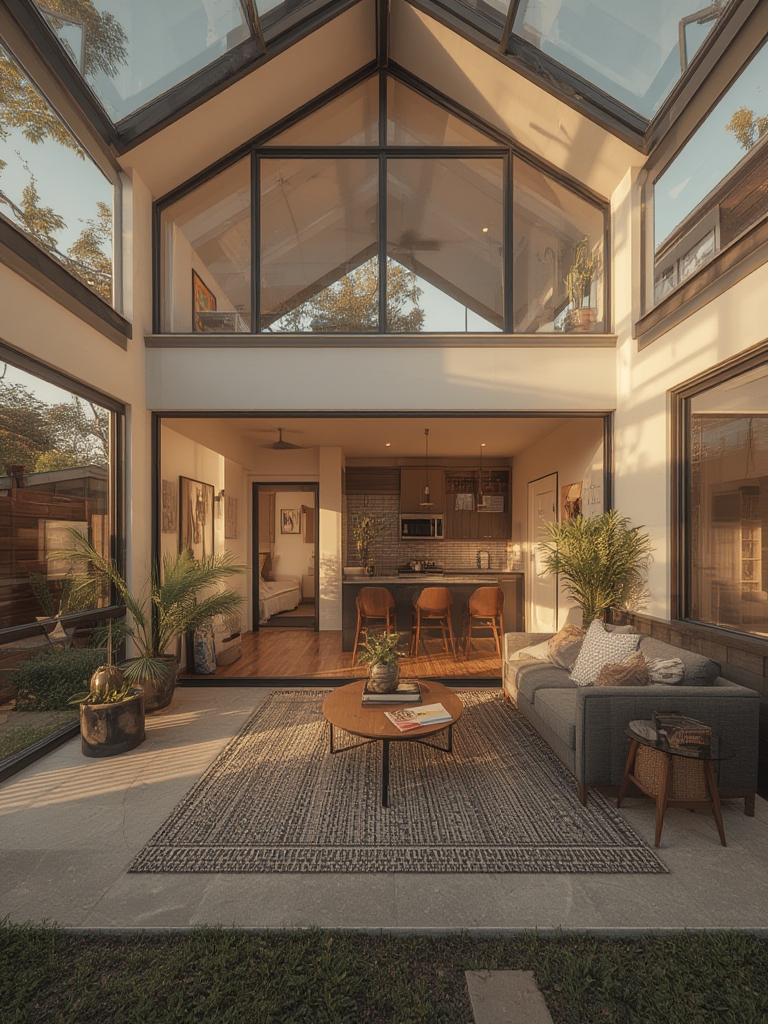
Don’t ignore energy use: sealing, insulating, and updating mechanicals can prevent the temperature swings and condensation problems that plague older garages, especially if your area has cold winters. Our cold climate heat pump tips can help cut heating costs and boost ADU comfort if you’re in a variable climate.
If your project hits obstacles or stalls, check city ADU ordinances for habitability code appeals or extensions—many owners get back on track by working with a certified planner or architect who knows local loopholes.
Conclusion
Converting your garage to an ADU delivers flexible living space and steady income, usually for a fraction of the cost of new construction. But a garage conversion ADU project isn’t a slam dunk—local codes, utility upgrades, and proper permits make or break your results. Start with a clear plan, check real rental rates, and factor in all hidden costs. For more ideas to maximize your space and ROI, check out related guides like the smart garage door opener upgrade and garage door replacements, which can further boost your finished ADU’s value and appeal.
Ready to get started on your garage conversion ADU? Assess your local codes, line up a designer, and map out a realistic budget—don’t wait, because the opportunity for extra space and income is real, and demand for ADUs is only rising.
FAQ
How much does a typical garage conversion ADU cost?
Nationally, most projects range from $9,659–$51,659 with a commonly cited median near $15,000. Full-size, fully finished ADUs with bathrooms and kitchens can run $20,000–$80,000 or more, depending on condition, size, and code upgrades. (source)
Is a permit required for a garage conversion ADU?
Yes, you must get city approval before starting work. Most cities require full plans, building permits, and several inspections for legal conversion. Permit costs usually fall between $1,200 and $2,000 but delays are common if plans aren’t detailed and code-compliant.
How long does it take to complete a garage conversion ADU?
Actual construction is typically 8–16 weeks for most garages, but total time can stretch to 3–6 months or more, depending on permit review, contractor schedules, inspections, and code corrections. Always allow extra time for unforeseen repairs or delays.
Can I rent out a garage conversion ADU immediately after finishing?
Only after you pass final inspection and receive a certificate of occupancy may you legally rent or lease the new living space. In most regions, unpermitted conversions can receive fines or even demolition orders if discovered.
Will converting my garage hurt resale value?
In most areas, a well-designed garage conversion ADU adds more value than it costs—especially where rental demand is high. However, in some markets buyers prefer garages for parking, so always compare value boosts against parking needs in your neighborhood.