

Garage door replacement is one of the most impactful home upgrades you can make—both for property value and daily convenience. Whether your current garage door is damaged, outdated, or simply lacking curb appeal, understanding your options (and the real numbers involved) helps you avoid costly mistakes and maximize your investment.
Key Takeaways
- The average cost for a professional garage door replacement ranges from $1,225 to $2,743, but high-end options can exceed $6,000.
- Garage door replacement offers a remarkable ROI of 193.9%—making it the #1 home improvement for resale value.
- Key factors include door size, material, insulation level, labor, and design—all of which impact installation cost and maintenance.
- What Is Garage Door Replacement and Why Does It Matter?
- How to Replace Your Garage Door: Step-by-Step
- Advanced Analysis and Common Pitfalls
- Conclusion
- Garage Door Replacement FAQ
What Is Garage Door Replacement and Why Does It Matter?
Garage door replacement means fully removing your current garage door and installing a new system—typically including the panels, tracks, hardware, and sometimes the opener. It is not just a cosmetic update; this upgrade directly improves security, insulation, noise reduction, and curb appeal.
Most homeowners choose replacement when repairs become too frequent, the door is badly warped or sagging, or when they want to upgrade to modern features like smart connectivity or better insulation. The process also allows a switch in style (e.g., classic to modern), material (steel, wood, glass, composite), or configuration (single vs. double).
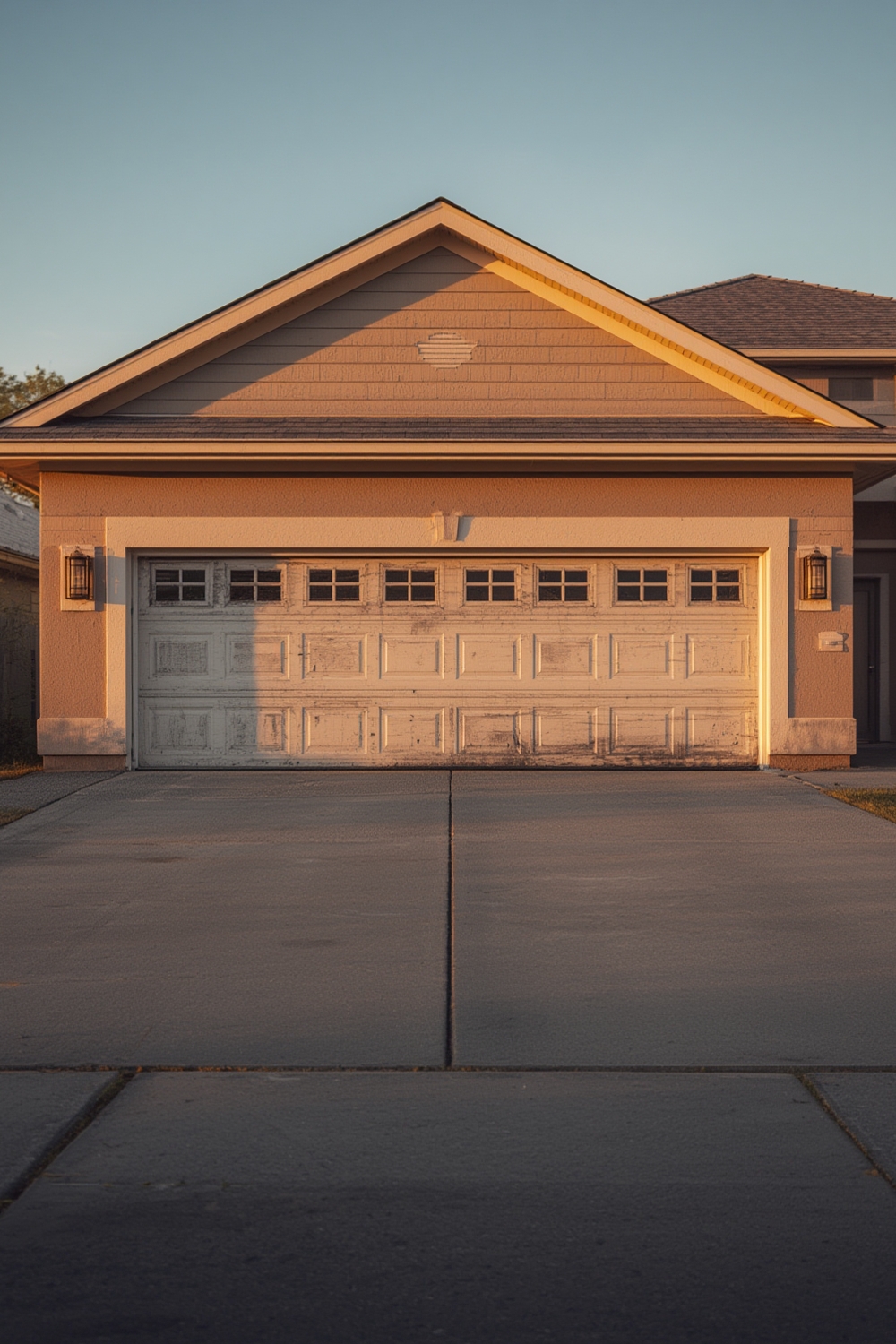
The ROI is unmatched—replaced garage doors recoup nearly double their cost on resale according to national studies. The right choice can also increase energy efficiency, especially if you upgrade from a single-layer to an Insulated garage doors.
How to Replace Your Garage Door: Step-by-Step
Getting the best results and value from a garage door replacement means following a sequence of key decisions and professional steps.
- Assess Your Needs and Budget
Identify your primary motivation: Is it curb appeal, insulation, repairs, or modernization? Decide if you need single or double doors. Set a budget—most projects run $1,225 to $2,743 but premium materials can push costs much higher.
For a full cost breakdown by size and material, check the comprehensive list here. - Choose Material and Design
Options include:- Steel (non-insulated or insulated)
- Wood composite or solid wood
- Aluminum/glass for modern, full-view doors
Each choice impacts appearance, durability, insulation, and upkeep. For ideas on maximizing value with curb appeal upgrades, see this proven guide on indoor-outdoor living space upgrades.
- Get Professional Measurements
Custom sizing mistakes can be very expensive. Ensure the installer visits to measure both the width and height of your opening, check for framing issues, and account for ceiling space, hardware, and opener compatibility. - Compare Quotes and Brands
Get at least three written quotes. Ask for details about warranty coverage, frame prep, and smart home upgrades. There are noticeable gaps in public data about brand reliability and warranty quality, so ask directly. - Schedule Removal and Installation
Professional installation runs $300–$700 and takes 3–6 hours. Removal/disposal generally adds $50–$200. For many, this is a wise investment—DIY installation is risky and not realistic for most homeowners. - Final Inspection and Smart Features
Test opener compatibility, remote controls, auto-reverse safety, and insulation seals. If you’re interested in automation, see this in-depth guide on choosing and setting up a smart garage door opener. Opener installation runs $200–$500 for WiFi/smart models. - Register Warranties and Schedule Maintenance
Insulated steel and aluminum/glass doors are largely maintenance-free. Real wood doors require re-staining every 2–4 years, and all doors benefit from annual spring and track checks for longevity.
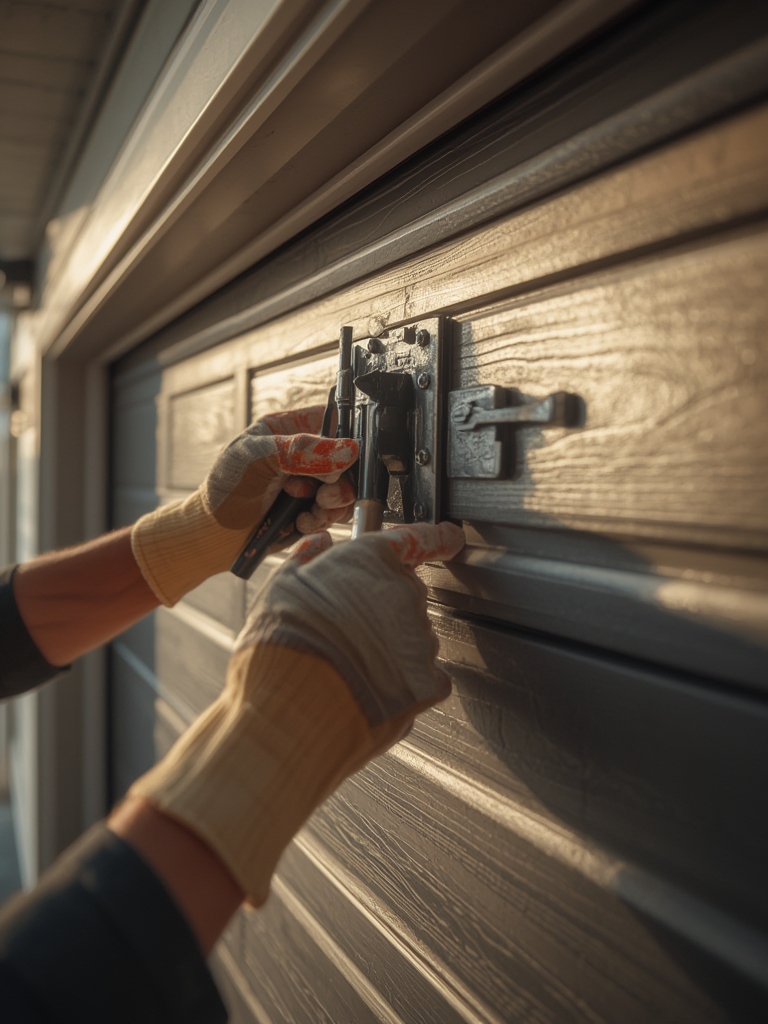
To get maximum functional benefit, also check if your new door supports smart home features such as remote control, camera monitoring, and app integration. You can find more on increasing value through outdoor investments in our outdoor kitchen guide.
Advanced Analysis and Common Pitfalls
Garage door replacement may sound simple, but users frequently encounter these issues:
- Undershooting total cost: Many forget to include disposal, permits, opener, or unexpected repairs to framing and tracks.
- Choosing the wrong material for climate: Metal doors perform poorly in coastal or humid areas, while non-insulated options can make garages unbearably hot or cold.
- Poor insulation and noise control: R-0 single-layer doors are noisy and inefficient; triple-layer with R-16+ dramatically improve thermal performance.
- Lack of warranty clarity: Most articles lack comparative data for long-term performance, so always ask about coverage length and exclusions.
- Overestimating durability/lifespan: Some assume all new doors last 20–30 years, but steel and wood vary widely based on maintenance and usage.
- Style regret: Modern glass or carriage doors look fantastic but may not match future home upgrades or neighborhood trends.
| Material | Insulation R-Value | Lifespan (Years) | Maintenance | Installed Cost Single | Installed Cost Double |
|---|---|---|---|---|---|
| Steel (Non-insulated) | R-0 | 10–15 | Low | $750–$1,200 | $1,200–$2,000 |
| Steel (Insulated) | R-12–R-18 | 15–20 | Low | $1,000–$1,800 | $1,800–$3,500 |
| Wood Composite | R-6–R-14 | 15–25 | Moderate | $1,500–$2,500 | $2,500–$5,000 |
| Aluminum/Glass | R-1–R-4 | 20–30 | Very Low | $2,000–$3,500 | $3,500–$8,000+ |
| Solid Wood | R-0–R-10 | 15–25 | Very High | $1,500–$2,500 | $4,000–$10,000+ |
Want to see other high-ROI upgrade ideas? Explore inspiration for walk-in pantry renovations and unique curbless shower upgrades.
For current installation fees, see the widely cited cost breakdown on
Precision Door.
Learn more about the ROI data from the original industry report from
Amarr.
Conclusion
Garage door replacement is one of the rare home improvements that delivers instant curb appeal, modern function, and almost unbeatable resale ROI. Pay close attention to sizing, installation, and insulation—and remember to get maintenance and warranty clarity before you sign. Done right, a garage door replacement will add value and security for decades.
Ready for a quote? Get professional measurements and compare options for the best outcome—and don’t hesitate to bookmark this guide as your starting point.
Garage Door Replacement FAQ
How much does it cost to replace a garage door in 2024?
The typical total cost ranges from $1,225 to $2,743 for standard installations, but can climb to $6,000 or more for premium materials and designs. Professional labor is usually $300 to $700. Source: HomeAdvisor.
How long does a new garage door last?
Material is the main factor: insulated steel doors last 15–20 years, aluminum/glass can last 20–30 years, while wood and composites typically fall between 15–25 years. Regular maintenance extends lifespan.
Is it worth getting an insulated garage door?
Insulated garage doors (R-12 or higher) improve temperature control and reduce noise. This is especially valuable in climates with temperature extremes or where the garage is attached to living space.
Do I need a permit to replace my garage door?
Most towns require a permit, which usually costs $50–$200. Always confirm with your local authority—unpermitted work can delay refinances or sales.
Can I install a garage door myself?
DIY is not recommended unless you have professional-level tools and knowledge—torsion springs are extremely dangerous if mishandled. Always seek at least one professional quote before attempting any installation.