

### Blog Post:
Heat pump water heater upgrades are surging for homeowners seeking energy efficiency, but deciding if they really beat gas or traditional electric can be challenging. Reliability issues, hidden installation costs, and real-world maintenance often get glossed over. This guide explains exactly what to expect with heat pump water heaters, the real pros and cons, and how you can avoid expensive mistakes when making the switch.
Key Takeaways
- Heat pump water heaters can reduce operating costs but often come with higher upfront and potential maintenance expenses than gas units.
- Space and airflow requirements are critical — poor installation can cause malfunctions, noise, and warranty headaches.
- Reliability is a mixed bag, with known sensor, compressor, and noise issues; understand these before purchasing.
- What Is a Heat Pump Water Heater and Should You Switch?
- Step-by-Step Guide: Upgrading to a Heat Pump Water Heater
- Advanced Analysis and Common Pitfalls
- Conclusion
- Frequently Asked Questions
What Is a Heat Pump Water Heater and Should You Switch?
A heat pump water heater (HPWH) is a high-efficiency system that uses electricity to move heat from surrounding air into your hot water tank. This process is far more efficient than direct electric resistance or gas burners. HPWHs use a built-in compressor and refrigerant, much like a refrigerator in reverse. But higher efficiency does not always mean lower cost or hassle in real-world use.
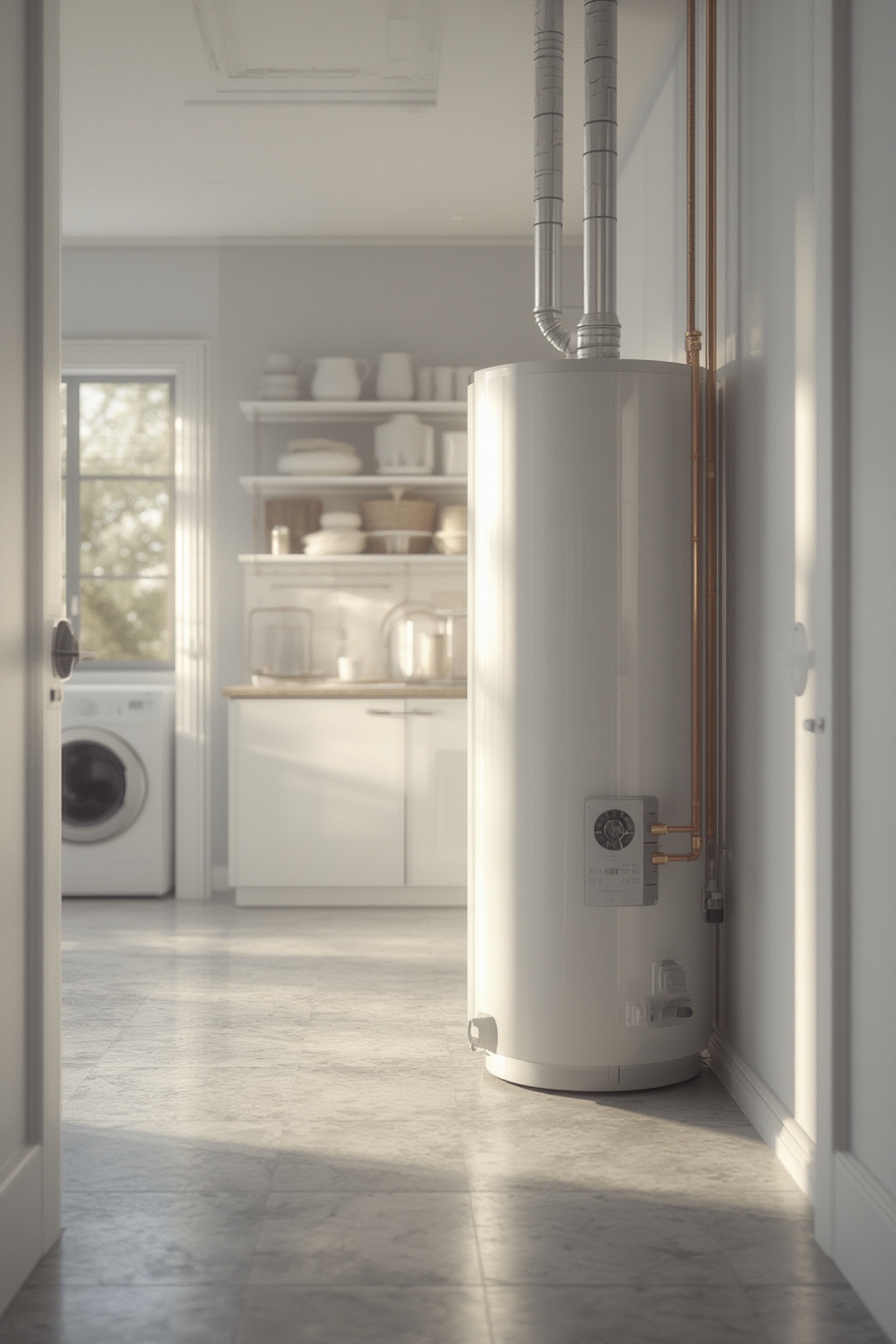
The case for switching rests mostly on reduced electric bills and potential long-term savings. However, user reports and field tests suggest that installation complexity, maintenance, space constraints, and warranty support all play major roles. If your goal is to lower your home’s carbon footprint or heating costs, HPWH systems often get recommended — but the real experience can differ depending on your installer, house setup, and climate zone.
Some homeowners may already be tackling related efficiency projects, such as choosing energy-efficient windows or installing a curbless shower, both of which can complement hot water and insulation upgrades.
Step-by-Step Guide: Upgrading to a Heat Pump Water Heater
Upgrading to a heat pump water heater requires thoughtful planning. Here’s what a realistic, successful replacement process looks like:
- Assess your installation space. HPWHs need at least 700 cubic feet (about a 10×10 foot room) with good airflow. Confined spaces can trigger fault codes, causing service calls and lost hot water. Consider if your location allows for adequate clearances and, if not, whether you’ll need ducting for intake/exhaust.
- Check electrical capacity and upgrades. Most HPWHs require a dedicated 240V circuit and a compatible breaker. Homes set up for gas may need an electrician to run a new line, which can add hundreds to the install bill.
- Research product reliability. Look for brands with strong support. Units from Rheem and AO Smith are popular, but user reviews indicate more post-warranty failures than gas models. Free sensor replacements or labor coverage are a major plus.
- Request detailed quotes and verify incentives. Get line items for unit price, installation labor, required upgrades (electrical, ducting), and old unit removal. Utility and tax incentives change often, and some, like the 2025 IRA rebate, may not be available or well-defined yet.
- Plan for noise, condensate, and maintenance. Install in a space where a steady fan or compressor noise won’t be a nuisance. Know how to clear air filters and drain the tank/condensate drains. Build in a regular schedule for checking these features, especially if your installation is close to a living space or has high humidity.
- Book reputable, experienced installers. Heat pump water heater installs are less forgiving than gas or regular electric. Choose contractors with strong HPWH portfolios, not just generic plumbing or HVAC experience. Ask for references — complaints about poor installs are common and often costly.
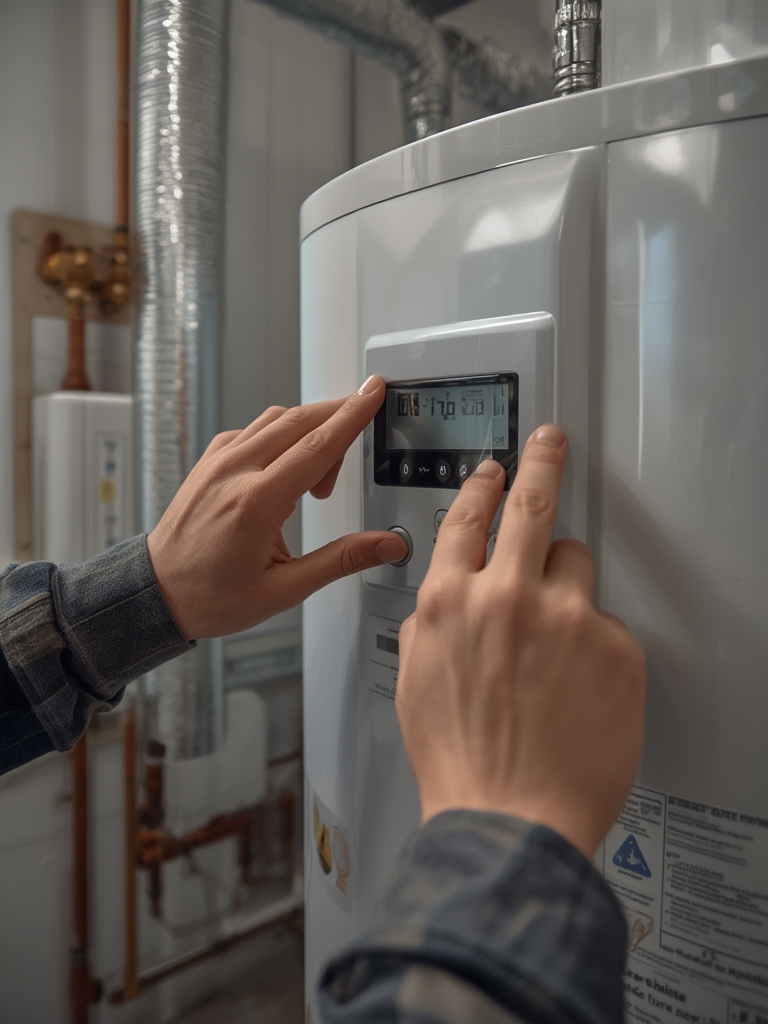
For homeowners combining renovations, consider integrating your hot water upgrade with a walk-in pantry renovation or planning extra utility space during an indoor-outdoor living space expansion for improved airflow and accessibility.
Advanced Analysis and Common Pitfalls
While the performance specs for heat pump water heaters look great on paper, there are persistent real-world problems and hidden costs you need to understand:
- Noise complaints: Models like the Rheem have frequent noise reports — not always loud, but a constant hum or fan can be intrusive in living spaces. GE GeoSpring fans may fail after 8 years.
- Space and airflow lock-outs: Both Rheem and AO Smith units require large rooms or ducted ventilation. Small spaces (below 700 cu ft) often trigger ECC codes, causing a total loss of hot water until serviced.
- Recurring sensor and filter issues: Frequent temperature sensor failures (Rheem), with manufacturers sometimes offering free replacement parts, but not labor after the warranty. Clogged air filters can cause abrupt lockouts, especially in dusty basements or laundry rooms.
- Compressor and controller failures: Compressor replacements after warranty can be cost-prohibitive. Contractors report up to 29% heat pump failure rate by year 8, compared to lower rates for gas or standard electric tanks. Post-warranty failures (tank plus compressor) often mean full replacement rather than repair.
- Cold climate issues: At temperatures near or below 7°F, heat pump water heaters can freeze and burst, especially if installed in unconditioned spaces. Always ensure installation in a space with stable, above-freezing air — especially for brands like Sanden.
- Inaccurate app monitoring: Energy monitoring apps, such as Rheem EcoNet, are often inaccurate and unreliable, leading to missed maintenance needs.
- Hidden costs and failed ROI: Initial purchase and install can cost more than double a gas unit. Repeated $170+ service calls may quickly offset energy savings. Upgrades such as home EV charger installation are sometimes easier and more transparent than an HPWH retrofit.
| Feature | Heat Pump Water Heater | Gas Water Heater |
|---|---|---|
| Upfront Cost (Unit + Install) | High (2x+ electric/gas; $2500–$4500 typical) | Moderate ($1000–$2000 typical) |
| Operating Cost (Annual) | Low (often half of gas/electric) | Moderate/High (depends on gas rates) |
| Maintenance | Higher (frequent filter, sensor, possible compressor issues) | Lower (simple burner, tank checks) |
| Trouble Spots | Noise, airflow, lock-outs, complex repairs | Venting, combustion, CO sensors |
| Lifetime/Replacement | Often 8–12 years, with possible early failures | 10–15 years typical |
| Space Needed | Large (700+ cu ft, or ducted) | Small/moderate |
Learn more trouble signs before you commit to a specific brand or contractor.
Evaluating these risks alongside your broader renovation goals — such as boosting home value with an outdoor kitchen — can help you budget realistically, balancing annual savings with total cost of ownership.

Conclusion
Switching to a heat pump water heater can pay off in lower electric bills and a reduced carbon footprint. But there is no magic bullet: carefully check for enough space, adequate electrical capacity, and plan for above-average maintenance. Real-world homeowners report a mixed bag — some save money, others find the costs and headaches outweigh the benefits. Before buying, compare upgrade costs, check your rebate options, and document install details. Done right, a heat pump water heater is an efficient, eco-friendly upgrade for the right home and user. Thinking about making the switch? Consult a reputable installer who understands these units — and demand detailed, written estimates before you commit.
Frequently Asked Questions
Is a heat pump water heater really worth the higher initial cost?
For many all-electric homes in mild climates, yes; payback can be steady via lower monthly bills. But if you need costly wiring, ducting, or face frequent maintenance, gas or electric resistance tanks may cost less over 10 years.
How noisy are heat pump water heaters?
Most owners report a low hum similar to a refrigerator, but some models like Rheem and GE GeoSpring may be noticeably louder or develop fan-related noise with age.
Can I install a heat pump water heater in my small basement or laundry room?
Probably not without modifications. HPWHs need at least 700 square feet of airflow. Don’t risk installing in a tight space unless you add ducting for intake/exhaust.
Are there 2025 rebates or IRA tax credits for heat pump water heaters?
Currently, detailed 2025 rebate and IRA tax credit processes are not well-defined. Always check with your local utility or energy office for up-to-date programs before installing.
What maintenance do heat pump water heaters require?
You’ll need to clean or replace air filters regularly, check condensate drains, and monitor for sensor errors. Some repairs post-warranty may require full unit replacement if both tank and compressor fail.