

Home EV charger installation is quickly becoming a must-have upgrade for homeowners across the US, but real-world costs, technical hurdles, and incentive rules are far from straightforward.
Key Takeaways
- Installing a Level 2 home EV charger in 2024 costs $1,000–$2,500 on average—panel upgrades can push this much higher in older homes.
- Permits, electrician labor rates, and utility rebates vary regionally; California homeowners may stack incentives up to $2,000.
- The biggest homeowner headaches are panel upgrade surprises, permit delays, and finding legitimate up-to-date incentive programs.
- What to Know About Home EV Charger Installation
- Step-by-Step Guide to Installing a Level 2 EV Charger at Home
- Advanced Analysis & Common Pitfalls
- Conclusion
- Frequently Asked Questions
What to Know About Home EV Charger Installation
Home EV charger installation means adding a dedicated charging station—usually a Level 2 system—in your garage or driveway so your electric vehicle can charge five to seven times faster than with a standard outlet. The main reasons homeowners go this route are faster charging, daily convenience, and raising property value as EVs become the norm. With more carmakers phasing out gas engines, fast home charging is now a high-ROI improvement.
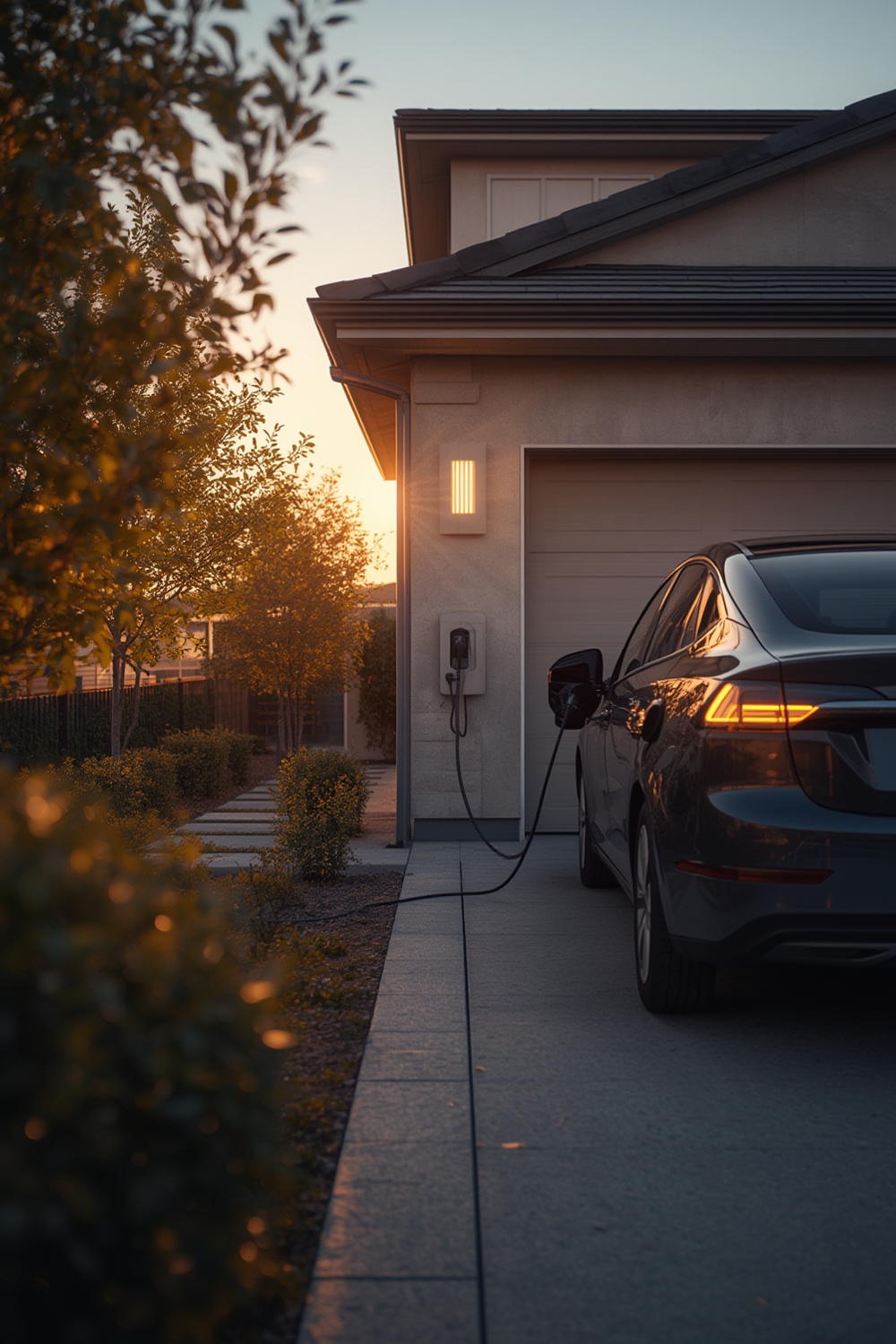
Typical installations require a dedicated 240V circuit on a minimum 30–50 amp breaker, wall- or pedestal-mounted charger unit, and code-compliant wiring. Costs range from $700 for a basic install to over $6,000 if upgrades or complex wiring are needed. Labor and permitting are often the deal breakers—especially in regions like California’s Bay Area, where rates and requirements can swell costs quickly. See HomeAdvisor for updated national cost breakdowns.
You can compare this type of improvement to high-ROI garage door replacement—also a fast and visible boost to home value. For an example, see our deep-dive on garage door replacement projects.
Step-by-Step Guide to Installing a Level 2 EV Charger at Home
-
Assess Your Electrical Panel:
Confirm the type and amperage of your electrical panel (100A or 200A). Most homes need 200A service for modern EV charging, especially if you have electric dryers, ranges, or AC systems running at the same time. -
Choose Your EV Charger Model:
Decide between “plug-in” and “hardwired” models. Look for UL or ETL listing, max output (32A-48A), weatherproofing level (NEMA 4X for outdoor), and smart features (WiFi/app scheduling, TOU compatibility). Compare brands and prices—don’t overpay for features you won’t use. -
Plan the Installation Location:
Identify the best spot, usually close to your EV’s parking space. Consider charger-to-panel wiring distance: longer runs mean higher labor and material costs. -
Find a Licensed Electrician:
Always hire a licensed pro—many utility rebates and local authorities require this. Ask for a detailed estimate covering labor, materials, permit, and possible panel upgrades. -
Get Permits and Schedule Work:
Apply for permits early. Some cities process permits in a few days, others take weeks. Permit costs range from $50 to $400 depending on location. -
Installation:
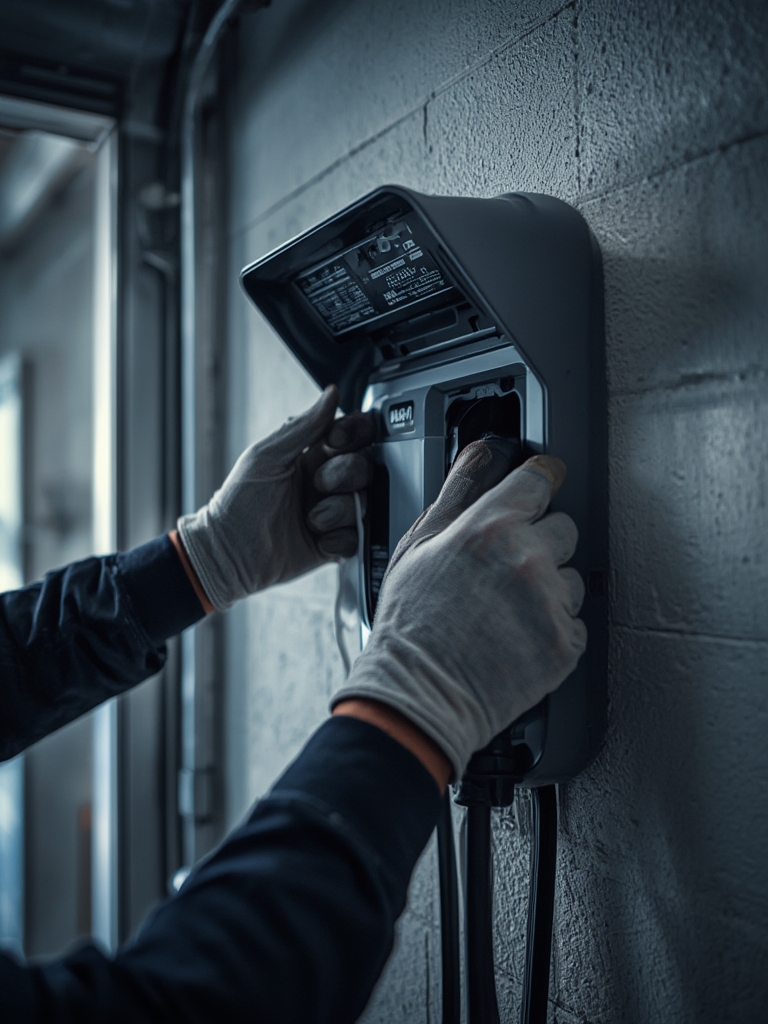
Electrician installs the new breaker, runs conduit/cable, mounts the charger, and completes electrical connections. California projects require Title 24 energy monitoring and added safety reviews. -
Inspection and Activation:
Pass inspection, set up your charger app, and register for any incentives. Take detailed photos of the finished work for rebates or warranty.
For more upgrade guides that impact your home’s ROI and energy efficiency, see our resources on energy-efficient windows or curbless shower waterproofing.
Advanced Analysis & Common Pitfalls
The most challenging— and most expensive—surprises for home EV charger installation come from panel limitations, permit chaos, and elusive rebates. Here is a break down of typical trouble spots and missing info in competitor guides:
- Panel Upgrade Shock: Pre-1990s homes often have 100A panels that need a full upgrade ($800–$2,200 extra) before adding a modern charger. This is often not discovered until the electrician quotes the job.
- Permitting and Inspection Delays: Even a simple garage install can get stuck waiting for permit approval or city inspection. In rural areas, limited electrician availability can stretch installs to weeks.
- Incentive Rules Change Constantly: Many programs are “first-come, first-served” and expire or adjust amounts suddenly. Keep records and follow up on utility applications.
- Lack of Model Comparison Data: The web is full of generic recommendations. For 2025, choose chargers with max amperage (40A to 48A), UL certification, and strong app controls—not just the most “popular” brand.
| Expense / Issue | Typical Range | Extra Factors |
|---|---|---|
| Basic equipment (Level 2 charger) | $300–$1,200 | Smart features, brand, warranty length |
| Standard electrician labor | $400–$1,500 | California/Bay Area up to $200/hr |
| Permitting & inspection | $50–$400 | Can be waived by local programs |
| Panel upgrade (100A to 200A) | $800–$2,200 | Pre-1990 homes, major appliances |
| weatherproofing for outdoor chargers | $100–$200 | Coastal/wet climate requirement |
| Permit delays & inspection backlog | Days to Weeks | Varies by city and rural installer wait time |
Homeowners often underestimate costs for long wiring runs (if the garage is on the far side of the house from the electrical panel) and may not realize that even “simple” upgrades can snowball if their panel is maxed out. It’s also worth noting that while maintenance complaints are rare, indirect issues due to poor installation or old household wiring can arise.
For perspectives on maximizing utility and ROI with other spaces, check out our walkthrough on walk-in pantry renovation or read about optimizing indoor-outdoor living spaces.
Review offers and timelines with your utility. For verified and up-to-date cost and incentive information, visit external resources like Qmerit’s guide and Electricians LA’s breakdown for California.
Conclusion
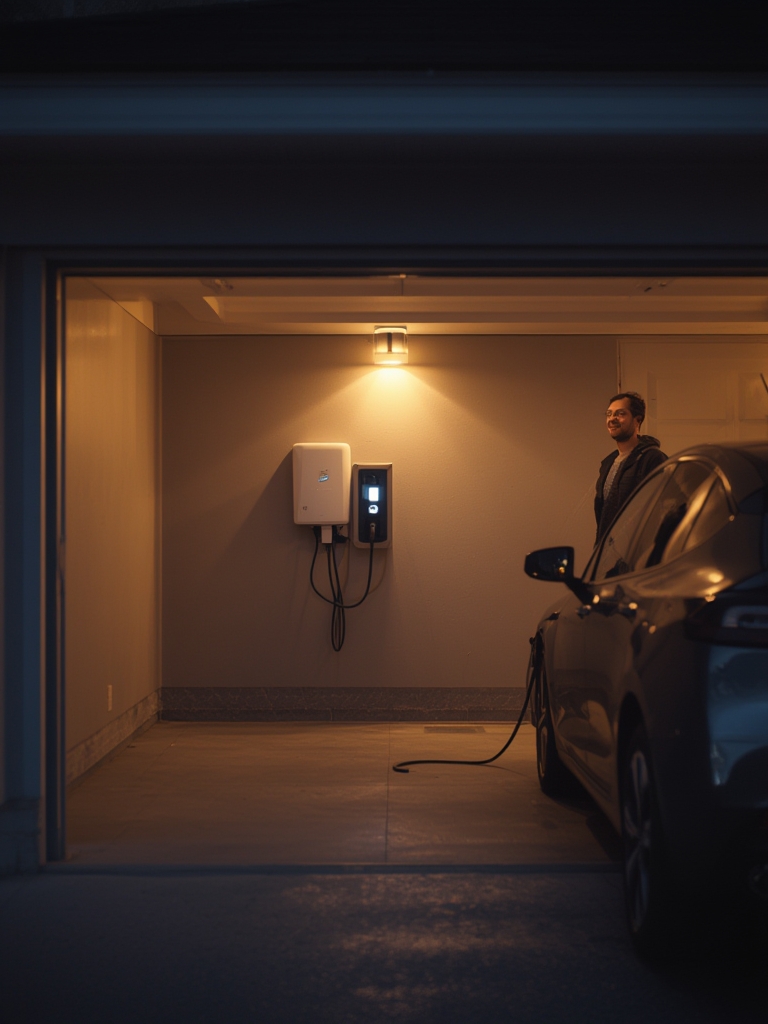
Home EV charger installation pays off by making daily EV use possible and increases resale appeal as electric vehicles become standard. However, costs can climb unexpectedly due to panel upgrades, permitting headaches, and surprise labor quotes. Plan for additional expenses, keep all receipts for incentive claims, and compare at least three electricians before making a choice. If you hit a snag with old wiring or utility requirements, don’t cut corners—safe, code-compliant work protects your home and EV investment.
Ready to get started on your home EV charger installation? Research your local city and state incentives, get multiple licensed quotes, and review your panel’s true capacity. Investing the time upfront will save money and headaches—giving you faster, safer, and more convenient charging at home.
For more practical home upgrade guides, browse tips on outdoor kitchen installations or smart garage door upgrades.
Frequently Asked Questions
How much does it cost to install a Level 2 EV charger at home?
The national average is $1,000–$2,500 for basic jobs, which includes the charger, electrician labor, and permits. Major panel upgrades or long conduit runs can raise this to $3,500 or more, especially in California or for older homes.
Can I install a home EV charger myself?
It’s rarely recommended. Licensed electricians are required for most rebates, code compliance, and warranty validity. DIY installs may be illegal in some regions and can void homeowner insurance if not done properly.
What rebates or incentives are available for installing a home EV charger?
California offers stackable state and utility programs totaling up to $2,000 for qualified installs. Examples include the PG&E Clean Fuel Reward ($500) and local city rebates. Outside California, check your state or utility’s latest offers—rebates change often and are usually first-come, first-served.
How long does a home EV charger installation take?
Most jobs are completed in 1–2 days, but permit approval or inspection backlogs can stretch timelines to several weeks. Panel upgrades or long waiting lists for electricians can cause additional delays.
What should I look for when choosing an EV charger for my garage?
Compare max amperage (32A–48A for faster charging), safety certifications (UL/ETL), weatherproof ratings (NEMA 4X for outdoor), and smart features (app, scheduling, energy monitoring). A strong warranty (3–5 years) and clear manufacturer support are also key.