

Home sauna installation is fast becoming one of the top home upgrades for 2025, offering serious wellness benefits but also real technical and budget challenges if you want to do it right. This complete guide answers the questions most manufacturers and review sites leave out so you can install a home sauna with zero expensive surprises.
Key Takeaways
- Home sauna installation is trending with 10% of US households now owning a sauna, but costs and electrical upgrades are common hurdles.
- Infrared saunas dominate search interest due to easier installation and lower costs, but all types come with maintenance needs and space requirements.
- Understanding technical demands and common pitfalls can prevent wasted money, delays, and safety issues during your project.
- 1. What Is Home Sauna Installation — And Why Now?
- 2. Step-by-Step Guide for Home Sauna Installation
- 3. Advanced Analysis & Common Pitfalls
- 4. Conclusion
- 5. FAQ
What Is Home Sauna Installation — And Why Now?
Home sauna installation involves fitting a prefabricated sauna kit or custom sauna unit—either infrared or traditional—inside your home or backyard. Demand is accelerating, with US sales surpassing $250.8 million in 2024 and 10% of households now owning a sauna. This is fueled by self-care trends, rising wellness budgets, and a huge spike in search interest, with US sauna-related web searches up 42% year-over-year.

The two main types are:
- Traditional saunas (electric or wood-heated): Deliver classic hot-and-steamy sessions but need significant power and ventilation.
- infrared saunas: Use radiant heat panels; they’re easier to install, more energy-efficient, and account for almost half of all US sauna web searches.
Both installations can be tailored for indoor or outdoor living spaces, including backyard barrel saunas or basement wellness rooms. Compact modular units and infrared technology are pushing the trend toward DIY installation and affordability—though not without risk.
Step-by-Step Guide for Home Sauna Installation
Ready to upgrade your home with a new sauna? Here’s a realistic, stepwise process to maximize your investment and minimize missteps.
-
Assess Your Space
- Measure the installation area including height. Saunas typically need 6–7 ft clearance.
- For indoor setups, moisture-resistant flooring (like tile or sealed concrete) is best.
- Planning an outdoor sauna? Choose a spot with a level foundation and easy power access. Reference our outdoor kitchen installation guide for more backyard preparation tips.
-
Choose Sauna Type
- Infrared saunas: $1,000–$5,000 (basic models), often require little more than an open wall outlet.
- Traditional saunas: $6,000–$11,000+, plus 240V and a dedicated breaker and heavy-duty ventilation.
- Prebuilt kits are faster and easier. Custom builds increase cost and install time.
-
Plan for Electrical & Ventilation Needs
- Most infrared models use standard 120V outlets. Some larger models (and all traditional saunas) need 240V and a dedicated breaker, similar to induction cooktops or dryers.
- Professional installation of new circuits may be required. Costs vary ($500–$1,600+).
- Traditional saunas demand robust ventilation to avoid dampness and odor issues. Consider learning from bathroom waterproofing strategies if you’re converting a bathroom or basement.
-
Order and Inspect Your Kit
- Verify kit delivery includes all hardware, doors, and controls—missing infrared panels or warped wood are common problems.
- Check for damage at delivery for warranty claims.
-
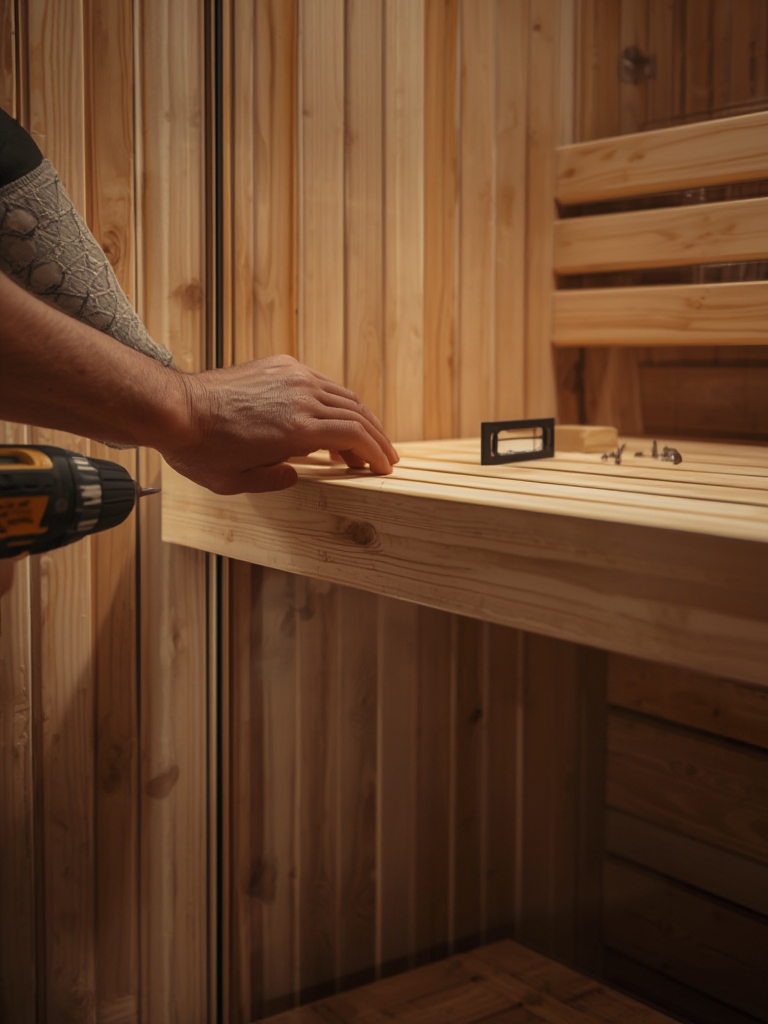
Assemble and Install
- DIY infrared kits go up in as little as 2–3 hours. Traditional or large outdoor models may require a day or two and often a pro installer.
- Be sure to test all electronics and verify proper temperature function before finishing internal trim.
-
Test, Seal, and Maintain
- Run the sauna as directed before first use to burn off manufacturing odors.
- Seal wood surfaces according to manufacturer instructions to prevent warping.
- Plan for routine cleaning and electrical safety checks.
Keep in mind hidden costs:
- Delivery fees and liftgate service (sometimes $200–$500).
- electrical upgrades (especially older homes).
- Permits for new circuits or outdoor construction.
- Site prep (foundation or flooring reinforcement).
For a streamlined installation, some homeowners combine their sauna build with larger renovations for walk-in pantries, custom built-in storage, or even enclosed porch conversions to maximize cost efficiency and property value.
Advanced Analysis & Common Pitfalls
While the wellness benefits of home saunas are well-publicized, practical realities can trip up even diligent homeowners. Below you’ll find a realistic view of what most installation guides gloss over, plus a side-by-side comparison of key factors.
| Factor | Infrared Sauna | Traditional Sauna |
|---|---|---|
| Average Cost (2025) | $1,000–$9,000 | $6,000–$11,000+ |
| Install Time (DIY) | 2–4 hours | 1–2 days (may need pro) |
| Electrical/Energy | Standard 120V, low energy use | 240V/dedicated circuit, higher bills |
| Maintenance | Wipe down, replace filters periodically | Deep clean, inspect stones, timber |
| Ventilation Needed | Minimal | Significant |
| Space Need (min.) | 4×4 ft | 5×7 ft |
Common pitfalls to anticipate:
- Unexpected electrical upgrades: Many homes lack the required 240V circuit for traditional models. Upgrades cost more than the sauna itself in some cases. See our smart electrical panel guide if your home’s panel is outdated.
- High ongoing utility costs and maintenance: Monthly bills and servicing are not trivial; plan both time and budget.
- Lack of resale value: Saunas are still niche. While some buyers love them, most real estate experts suggest they rarely recoup their cost unless part of a larger indoor-outdoor space upgrade.
- Ventilation and moisture issues: Skimping here can result in costly mold or wood warping, especially in basements or if your sauna is adjacent to interior drywall.
- Warranty loopholes: Failing to follow manufacturer install specs (permitted electrician, correct venting) can void your warranty immediately.
It’s also smart practice to cross-reference with external consumer protection resources and in-depth market analyses before committing.
Conclusion
In short, home sauna installation can transform your daily routine and boost long-term wellness, but only when you approach it with clear eyes on cost, technical requirements, and proper installation. Do your homework, plan for hidden expenses, get professional help with electrical work, and expect a bit of regular maintenance. Whether you go with a compact plug-and-play infrared model or a traditional hot stone retreat, a smart, safe install will pay dividends for years. Ready to start your home sauna installation? Get quotes from local pros or compare DIY kits now to find the best fit for your space and budget!
FAQ
How much does it cost to install a home sauna in 2025?
Infrared saunas range from $1,000–$9,000 depending on features and size, while traditional saunas start around $6,000 and can exceed $11,000 with all electrical and site prep included. Delivery, permits, and electrical upgrades may add $1,000 or more.
Do I need a permit to install a home sauna?
Many municipalities require a permit if new wiring, outlets, or structural changes are made. Always check with your local building department before starting installation.
Can I install a sauna myself?
Most 1–2 person infrared saunas are designed for DIY assembly if you already have a safe outlet. Traditional and large outdoor models often require a licensed electrician or pro for wiring and foundation work.
How much space do I need for a home sauna?
Compact infrared models need about 4×4 ft, while traditional saunas require at least 5×7 ft and more headroom. Always add a buffer for ventilation and access.
Are there any ongoing maintenance costs?
Yes. Traditional saunas require cleaning, heater inspections, and ventilation checks. Infrared models are easier to clean, but filters or electronics may need periodic replacement. All sauna types add to electricity bills.