
linear shower drain installations are more popular than ever in 2024, reshaping bathroom designs with their sleek aesthetics and greater accessibility—but they also bring technical challenges every homeowner and contractor must consider.
Key Takeaways
- The global linear shower drain market is expanding quickly, driven by modern design preferences and accessibility needs.
- Installation and waterproofing can be complex compared to traditional center drains, especially for barrier-free showers.
- Material choice, technical specs, and long-term maintenance are critical but underexplored areas affecting performance and satisfaction.
- What Is a Linear Shower Drain and Why Choose One?
- How to Install a Linear Shower Drain: Step-by-Step
- Advanced Analysis & Common Pitfalls
- Conclusion: Should You Upgrade to a Linear Shower Drain?
- Linear Shower Drain FAQ
What Is a Linear Shower Drain and Why Choose One?
A linear shower drain is a long, narrow drainage channel set flush to the shower floor, in contrast to the traditional round or square center drain. By capturing water along one edge of the shower, it enables barrier-free, “curbless” or walk-in designs that are both visually minimal and highly accessible.
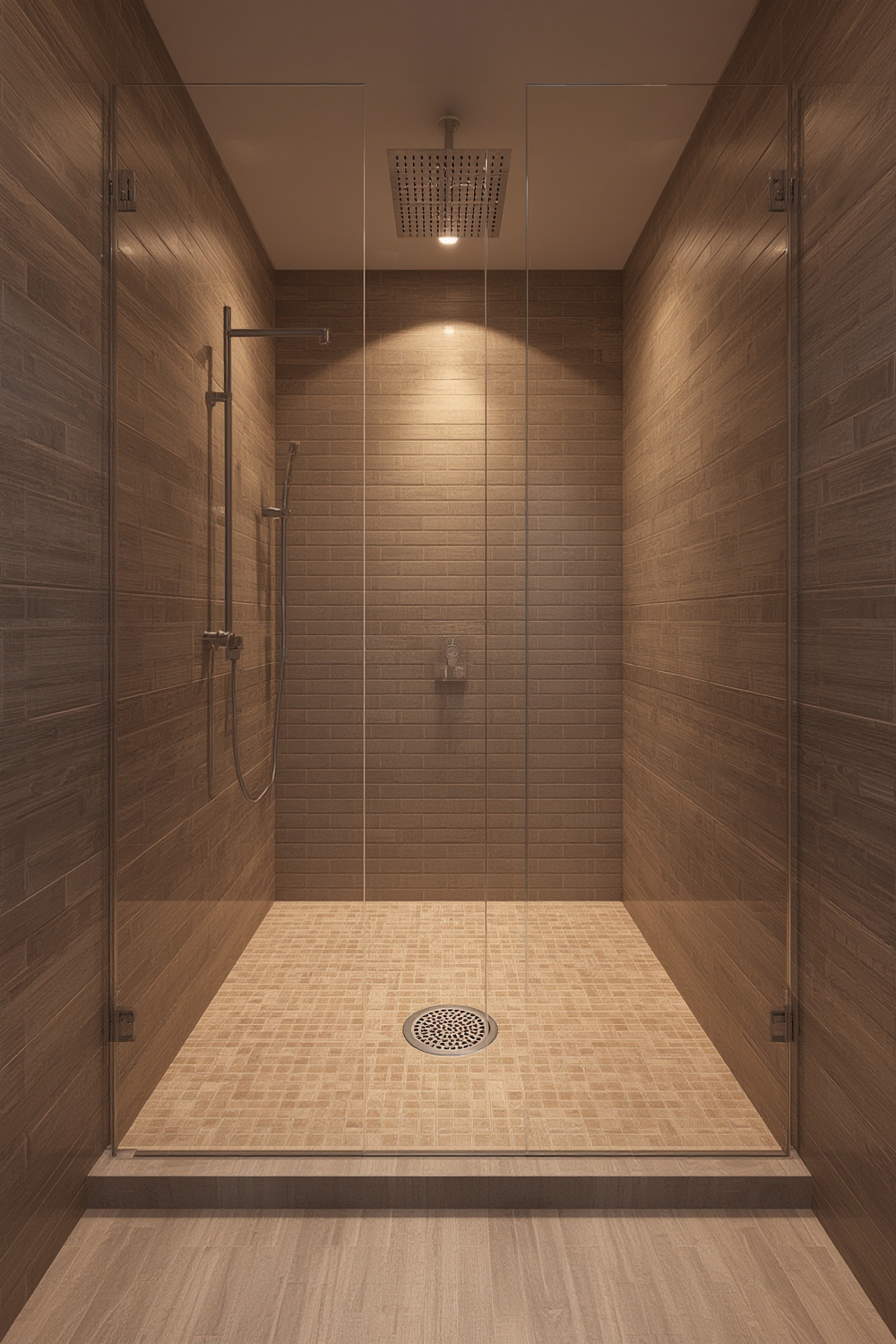
This drain style is a major driver in modern bathroom renovation and construction. Global demand is growing fast, with the market expected to accelerate from about USD 800 million in 2024 and projected to double in 10 years. Design preferences—especially for walk-in curbless showers—and a push for accessible, ADA-compliant spaces fuel this trend (source).
Beyond aesthetics, linear drains can improve water management, especially in larger wet areas or spa-style showers. They allow for single-direction sloping of tiles, simplified cleaning, and seamless integration with popular styles like pebble shower floors and open wet rooms. These drains are a top pick for both luxury renovations and practical, accessible bathrooms.
How to Install a Linear Shower Drain: Step-by-Step
While hiring a pro is often recommended, here’s how a linear shower drain installation typically unfolds. Mastering these steps will help you or your contractor avoid critical pitfalls and ensure long-lasting performance.
-
Plan Drain Placement and Slope
Decide if your linear drain will be along a wall or at the shower entry. Position the drain before any plumbing work. For optimal drainage, ensure the entire floor slopes in one direction (minimum 2% slope, or about 1/4 inch per foot) toward the drain. -
Rough-In Plumbing
Install the P-trap and connect it to the waste line. Confirm height and location align with your linear drain’s outlet. -
Install the Shower Base
Choose compatible wet room trays or customize mortar screeds with proper slope. Curbless installations require lowering (or recessing) the subfloor, which may involve joist modification. Read up on this in our curbless shower waterproofing guide. -
Install the Drain Body and Waterproofing
Position the drain body flush with the floor surface and secure as per the manufacturer’s kit. Integrate the waterproof membrane: use sheet or liquid membranes and properly seal the connection using flanges or provided gaskets (check that you meet code and warranty requirements). -
Tile the Floor
Begin tiling from the drain, maintaining a consistent slope. Linear drains allow for larger format tiles and custom finishes, including biophilic bathroom designs. -
Install the Grate/Cover
Once grouting cures, install the drain cover/grate. Some advanced models include anti-odor or easy-clean technology. -
Test the System
Flood test the shower pan before use to confirm total waterproofing. Check for slow drainage or leaks at all seams.
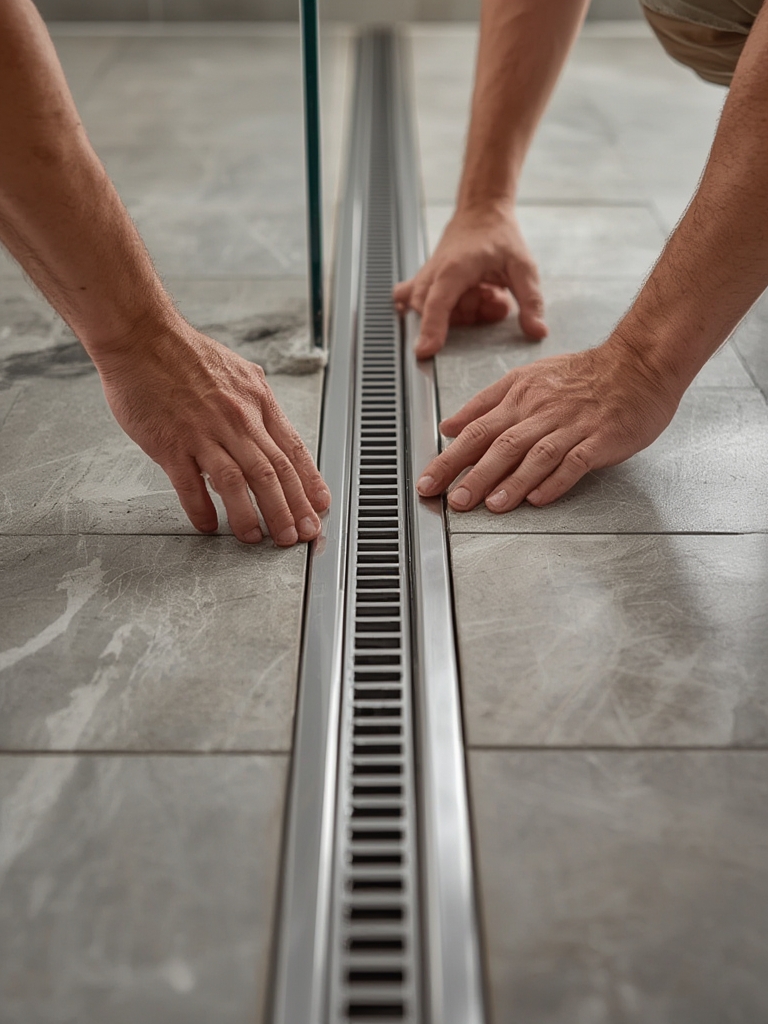
Installation time can vary by tile type, waterproofing method, and drain positioning. While skilled DIYers can tackle these projects, code-compliant installs—especially for barrier-free, curbless showers—are best handled by experienced pros.
To learn more about creating a harmonious indoor-outdoor transition, check our indoor-outdoor living guide—seamless accessibility is a key bathroom trend worth considering.
Advanced Analysis & Common Pitfalls
Despite their benefits, linear shower drains are not problem-free. Here’s what can go wrong, plus an in-depth comparison of materials and known user complaints—so you start your project fully informed.
Common Pitfalls and Realistic Problems
- Improper Floor Slope: Without a consistent single slope to the drain channel, water will pool or back up. This is critical in curbless shower designs.
- Waterproofing Failures: Sloppy junctions between drain and membrane are the #1 cause of hidden leaks—often not detected until subfloor damage has occurred.
- Clogging: Long, narrow channels can actually collect more hair and debris, so removable strainers or easy-access cleaning features are essential.
- Complex Framing: Some subfloors need to be recessed or joists notched, especially for ADA or flush installations—this adds cost and labor.
- Material Mismatch: Stainless steel is long-lasting and popular, but lower-quality models can rust if coatings fail. Brass resists corrosion but is less common. Not all drains have comparable flow rates, and many brands do not publish performance data. (stainless steel market data)
- Cost Transparency: Most market data omits installation and product costs, making it hard for consumers to budget realistically. Linear drains can be 2-4 times more expensive than typical center drains, especially in a full curbless shower remodel.
Material Comparison Table
| Material | Durability | Corrosion Resistance | Common Issues | Notes |
|---|---|---|---|---|
| Stainless Steel | High | Excellent | Potential for surface rust if coating damaged | Most popular, available in modern designs |
| Brass | High | Very Good | Finish may tarnish without regular cleaning | Premium choice, often in luxury markets |
| PVC/ABS | Moderate | Good | Less rigid, fewer finish options | Economical, usually hidden beneath tile |
Performance, Maintenance, and Innovation
- Linear drains are “ideally suited for barrier-free, wheelchair-accessible showers” (source). This makes them the top choice for accessible bathroom remodels.
- Smart drain models with water level sensors and automatic cleaning features are emerging, offering future maintenance improvements (market report).
- Specific waterproofing membrane recommendations, performance benchmarks (like flow rate) and standardized product certifications are rarely published, so always vet your brand’s technical details closely.
- Unsure about your home’s existing layout? For partial renovations, see our advice on maximizing other spaces, like a walk-in pantry upgrade.
Conclusion: Should You Upgrade to a Linear Shower Drain?
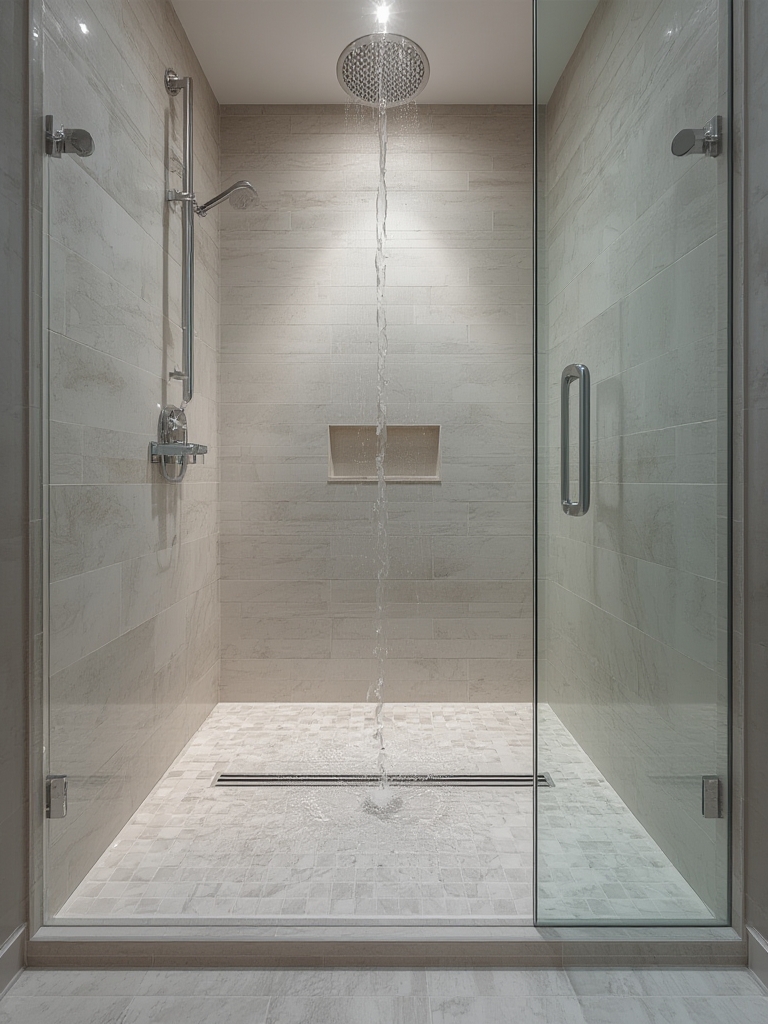
Linear shower drains deliver exceptional flexibility, aesthetics, and barrier-free access—key in modern bathroom projects. However, you need to budget for higher material and possible labor costs, and give extra attention to correct slope and waterproofing details. Always choose products with accessible maintenance features and insist on flood testing before tile and grout finish.
Ready to take your bathroom to the next level, or want more ideas for a spa-like home? Start with our biophilic bathroom guide, or explore options for adding luxury upgrades elsewhere. Want full cost breakdowns or more technical waterproofing advice for your linear shower drain project? Reach out to a specialist or browse our detailed guides.
Linear Shower Drain FAQ
Are linear shower drains harder to install than traditional center drains?
Yes. Linear drains require precise slope in one direction and integration with specialized waterproofing membranes. Mistakes are more likely to cause leaks or slow drainage, so professional installation is advised for most homeowners.
Do linear shower drains clog more easily?
They can, especially if the channel is not cleaned regularly. Look for models with removable strainers and easy-clean access, and commit to regular hair/debris removal.
Is a linear drain better for accessibility?
Absolutely. Linear drains enable completely curbless or barrier-free showers, making them ideal for wheelchair users, aging populations, and anyone seeking a minimal threshold entry.
How do I select the right linear drain size?
Choose a drain length that matches the width of your shower area, minus at least 2 inches on each side. Always check your local plumbing code for approved sizing and flow rates.
What maintenance do linear shower drains require?
Remove the grate regularly, clear out debris and hair, and clean all components to maintain water flow. Smart models may offer easier maintenance with integrated cleaning features.