
Local hardware store shopping offers a more personal approach to home improvement and repair but also faces real market and competitive challenges in 2024. As chains expand and independent shops decline, understanding the advantages and realities of shopping locally is crucial for homeowners and DIYers who care about community support, product selection, and service.
Key Takeaways
- Independent hardware stores are declining due to industry consolidation and aging ownership, shifting the market toward big box chains. [Source]
- Local hardware shopping supports niche product needs, community jobs, and often delivers better customer service, but selection and pricing may vary.
- Strategic shopping can help you get the benefits of both large chains and neighborhood stores without overpaying or sacrificing quality.
- What Makes Local Hardware Store Shopping Different?
- How to Shop Smart: Step-By-Step Guide
- Realistic Challenges: Advanced Analysis & Pitfalls
- Conclusion
- FAQ
What Makes Local Hardware Store Shopping Different?
At its core, local hardware store shopping is about more than just convenience. Independent stores connect you with helpful staff who often know the community’s needs, stock niche or specialty items you can’t find at chains, and support your neighborhood’s economy directly. According to industry reports, these stores are rapidly disappearing, dropping from 18,100 in 2022 to an estimated 17,200 by 2026, reflecting consolidation favoring big retailers like The Home Depot and Lowe’s. [Source]

Yet, independents play a vital role, especially for custom orders, odd-sized fasteners, and advice you won’t get from a part-time aisle attendant at a warehouse. Chains may dominate e-commerce and volume pricing, but small shops excel at service and adaptation, particularly for older homes or unique local projects.
If you’re remodeling your pantry, for example, walk-in pantry renovations often require odd hardware sizes, unique brackets, and specialty fasteners—categories where independents shine.
How to Shop Smart: Step-By-Step Guide
Shopping effectively at your local hardware store requires a bit more planning than with a big chain, but the payoff is real. Here’s a proven process to help you get the most out of every trip—and maximize your home improvement budget.
- Prepare Your List. Prioritize the items you need, including any specialty sizes, finishes, or accessories. For more involved projects—like upgrading to a smart garage door opener—jot down model numbers and measurements for a smoother shopping experience.
- Research Store Strengths. Some independents focus on plumbing, lawn tools, or quick-turn paint mixing. Ask locals or check online reviews to target the store that best matches your project.
- Ask For Expertise. Don’t rush. Explain your project to the staff. Unlike most chains, many local owners have a deep background in trades or home repair and will steer you toward the right product, or work within your budget constraints.
- Compare Commonly-Bought Items. While chains sometimes beat locals on mainstream items, many independent shops offer competitive prices, especially on specialty products and when factoring in time saved and possible free advice.
- Check for Value Adds. Independents often provide blade sharpening, tool rentals, small batch custom paint mixing, or even custom ordering—services not always available at chains. These can save money and hassle in the long run, especially for jobs like garage door replacement or outdoor kitchen builds.
- Review Return Policies. Smaller stores may have different or more flexible return and exchange rules than chains. Always ask upfront.
- Balance Price with Support. For major purchases or frequent projects, combine the strengths of both: buy big-ticket or bulk items at chains, but shop locally for unique, high-touch, or urgent needs.
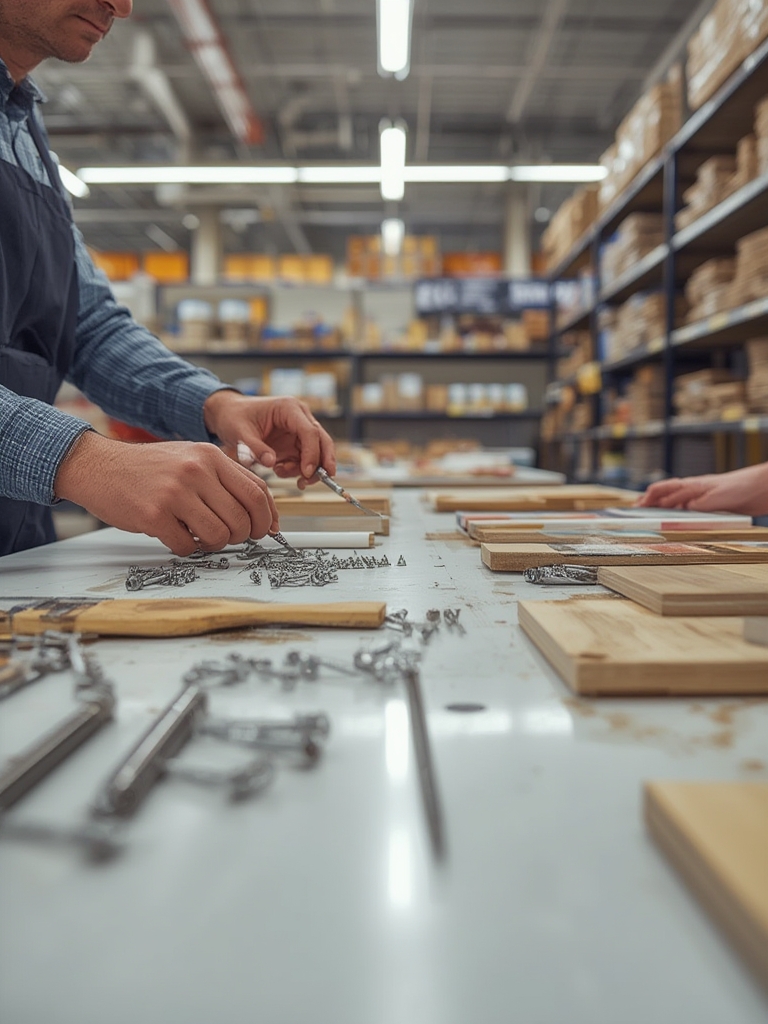
Some shoppers overlook independent stores for specialty paint mixing, fast hardware delivery, or rare fasteners. Leveraging both local shops and chain stores creates options—vital if you run into supply chain hiccups or need help mid-project.
For example, working on an enclosed porch conversion may require unusual screen systems or fasteners that big stores don’t stock. Local shops can often source these quickly.
Realistic Challenges: Advanced Analysis & Pitfalls
Shopping at a local hardware store has genuine strengths—but also some limitations you should consider:
| Factor | Independent Hardware Store | Big Box Chain |
|---|---|---|
| Product Range | Limited, but can special-order niche or specialty items | Extensive, especially for mainstream/homeowner needs |
| Pricing | Can be higher on generic items; competitive on specialty goods | Bulk and generic products are typically cheaper |
| Service/Expertise | Typically strong, often direct access to experts | Highly variable; often less personal |
| Community Impact | Stronger local job and community support | Dollars mostly leave the region |
| Returns and Exchanges | Often more flexible and personal | Corporate policies; less room for exceptions |
According to recent industry studies, the number of independent stores is expected to continue declining as owners retire, leading to further market concentration among large chains. [More Info]
Common pitfalls shoppers mention:
- Higher prices on staple items like nails or paint (though this isn’t always true for specialty goods).
- Limited hours and inventory: Independents may not be open late or stock as much, especially outside peak seasons.
- Lack of e-commerce integration—some stores may have little to no online presence, making availability checks harder.
- Store closures: If long-term owners retire and no buyers emerge, local communities risk losing their most convenient hardware source.
However, independents are still prized for unique services, knowledgeable staff, and the ability to solve tricky projects like curbless shower upgrades or complex repairs where tailored advice matters most. [Source]

Conclusion
Local hardware store shopping is increasingly rare but delivers benefits you can’t always get from national chains: expert staff, specialty products, and genuine community investment. While market trends favor consolidation and it often takes a bit more planning, choosing independents where it counts supports your neighborhood and solves tricky project needs that big box chains often overlook.
Next time you tackle a local hardware store shopping run—whether for a kitchen upgrade, indoor-outdoor living space transformation, or urgent repair—give your local hardware a chance to help. Their expertise and services just might save your project. Visit a nearby shop this weekend and compare the experience for yourself.
FAQ
Are local hardware stores more expensive than big box chains?
For basic items, chains often win on price. However, local hardware stores can be competitive on specialty products and offer added value through advice, custom orders, and convenience—which may save money in the long run.
What unique services do independent hardware stores offer?
They frequently provide tool rentals, blade sharpening, custom paint mixing, and personalized recommendations, especially for historic home repairs or specialized projects.
Can I shop online at my local hardware store?
Some independents have embraced online catalogs and ordering, but many still operate mainly in-person. Calling ahead or checking their website is recommended before your visit.
Is supporting a local hardware store really better for my community?
Yes. Shopping local keeps more money and jobs in your area and often results in better, more tailored service. Multiple studies highlight the broader economic and social impact of thriving neighborhood retailers.
What’s the biggest downside of local hardware store shopping?
Reduced hours, limited bulk pricing, and smaller selection compared to chains. Still, many shoppers find the trade-off worthwhile for expertise and service.