
### Blog Post:
Quartz countertop alternative options are quickly reshaping kitchen and bath renovations for 2024, as more homeowners seek a balance of style, durability, and practicality. If you’re tired of seeing the same quartz surfaces everywhere—or just want something that stands up better to heat, stains, or your busy lifestyle—this guide will show you what’s new, what works, and what to skip when choosing your next countertop.
Key Takeaways
- Porcelain countertops now rival quartz for heat resistance and modern looks, making them ideal in active kitchens.
- Many alternatives promise better performance in some areas (like heat or stain resistance) but don’t always outperform quartz in every category.
- Real-world complaints and long-term maintenance data on quartz alternatives remain limited, so scrutinize any bold marketing claims.
- What Are Quartz Countertop Alternatives and Why Consider Them?
- How to Choose and Install a Quartz Countertop Alternative: Step-by-Step Guide
- Advanced Analysis & Common Pitfalls
- Conclusion
- Frequently Asked Questions
What Are Quartz Countertop Alternatives and Why Consider Them?
Quartz countertop alternatives refer to materials like engineered stone, porcelain, sintered stone, and ultra-compact surfaces that offer similar—or sometimes superior—performance without the limitations of traditional quartz. In 2024, dark, light, and gray finishes lead the design trends, while porcelain surfaces jump ahead for both style and functional upgrades. If you cook frequently, want a bold kitchen statement, or just need better heat resistance, looking beyond quartz could pay off in both looks and day-to-day usability.
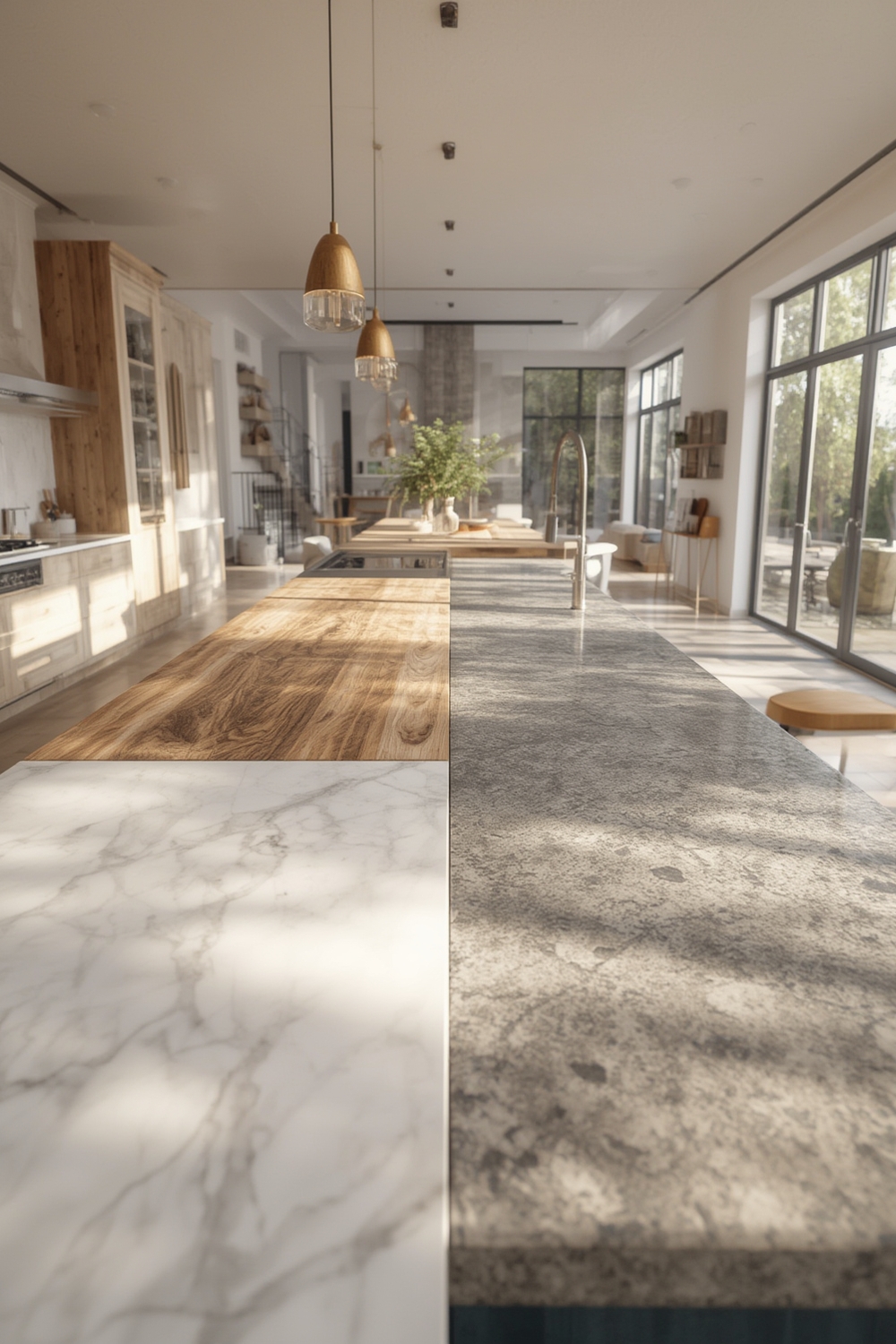
Homeowners are turning to these alternatives to sidestep quartz’s well-known heat limitations, achieve new marble or quartzite looks, and satisfy growing demands for sustainability. While the overall quartz countertop market reached $18.4B globally in 2024 with North America dominating, products like porcelain and engineered stone provide options for anyone who wants to break away from the “standard” kitchen look—and potentially enjoy lower maintenance or better durability for their specific daily habits.
Many homeowners also upgrade their countertops as part of larger home improvement projects, like walk-in pantry renovations or adding a high-impact outdoor kitchen for entertaining.
How to Choose and Install a Quartz Countertop Alternative: Step-by-Step Guide
- Clarify Your Priorities
Decide what matters most: heat resistance, pattern realism, maintenance, or style. For instance, porcelain is best if you routinely set hot pans directly on your counters, while engineered stone shines in low-maintenance homes. - Shortlist Surface Types
- Porcelain: Excels at heat, can replicate marble or granite.
- Engineered stone or sintered stone: Closest to quartz in look and care.
- Ultra-compact: Marketed as extremely durable but may have fewer design options.
- Assess Finishes and Edges
Choose between polished or textured surfaces. Textured options—now trending—help mask smudges and small flaws better than traditional polished quartz. - Get Samples and Test Them
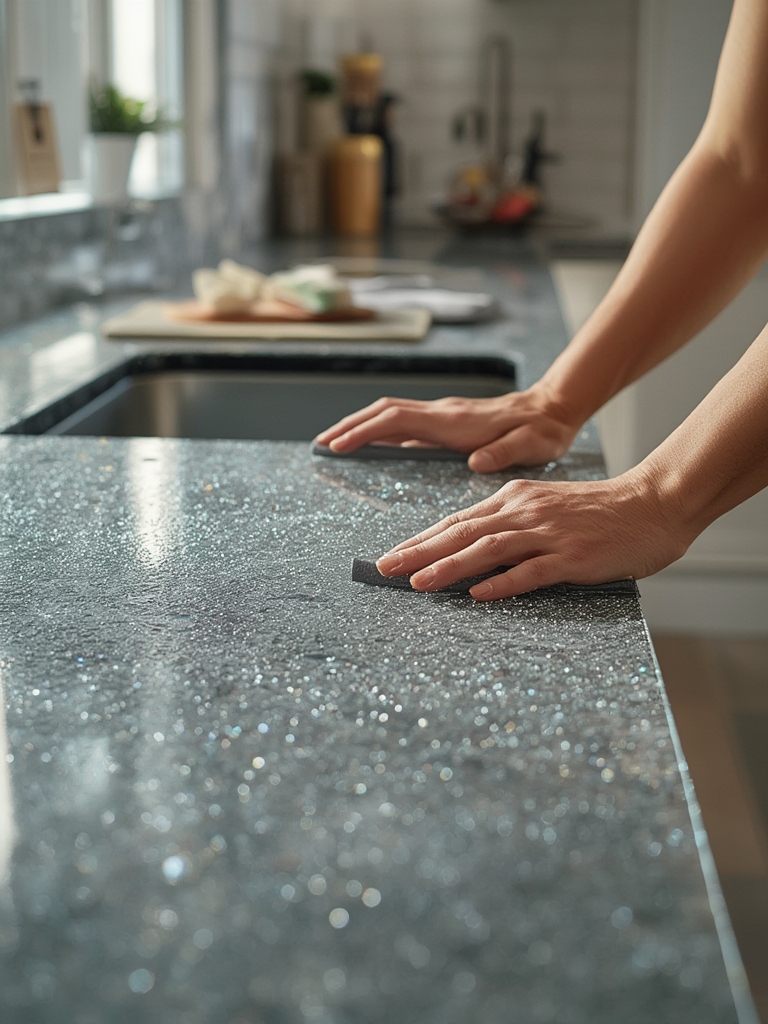
Ask suppliers for large-format samples to see veining, touch the texture, and even try a hot pan test or spill test at home. - Verify Installer Experience
Many fabricators are still new to porcelain and ultra-compact surfaces. Ask for photos of previous jobs and get at least two quotes for measuring, templating, and installing the alternative you choose. - Plan for Lead Time and Support
Some specialty surfaces have longer shipping and fabrication times. Nail down realistic timeframes, review warranty details, and keep extra material if you ever need a repair.
Looking for more worry-free upgrades? You might also enjoy reading about mastering waterproofing for curbless showers or the best ways to boost your indoor-outdoor living space with smart material choices.
Advanced Analysis & Common Pitfalls
While quartz countertop alternatives offer clear advantages, the real-world differences are often misunderstood—or overhyped. Here’s what recent research, lab results, and feedback reveal:
| Material | Heat Resistance | Porosity | Scratch Resistance | Stain Resistance | Real-World Issues |
|---|---|---|---|---|---|
| Quartz | Vulnerable to direct heat | Non-porous | High | High | Can scorch if hot pans touch directly |
| Porcelain | Superior—hot pans OK | Virtually non-porous | Very high | Very high | Edges can chip if hit hard; limited install experience in some areas |
| Engineered Stone / Sintered Stone | Similar to quartz or slightly better | Non-porous or very low porosity | High | High | Installers may be inexperienced; limited long-term data |
| Quartzite (Natural) | Better than quartz | Varies—natural stone | High | Must be sealed regularly | Unique patterns but needs more maintenance |
- Installation Experience Gaps: In many markets, installers are still learning best practices for porcelain, ultra-compact, or sintered surfaces. This occasionally leads to chipping at edges or poor seam alignment.
- Price Transparency: Manufacturer and market data rarely publish clear, per-square-foot installed costs for alternatives, so budgets must be double-checked with local suppliers.
- Limited Long-Term Data: While early reviews are positive, neither manufacturers nor contractors have shared widespread complaints or performance failures of these alternatives—so proceed with healthy skepticism and get robust warranties in writing.
- Sustainability Concerns: Demand is rising for eco-friendly countertops, but neither ingredient breakdowns nor emission reports are published for most alternatives. Review policies with your supplier if this matters to you.
- Design Cohesion: Ultra-modern finishes like porcelain may clash with traditional cabinetry. If considering a rustic look, natural wood cabinetry is regaining favor among designers. See more on trending wood cabinetry ideas.
For more guidance on combining materials and maximizing kitchen functionality, don’t miss the multifunctional kitchen island trend. This helps ensure your alternative countertop fits both your workflow and your home’s style.
Conclusion
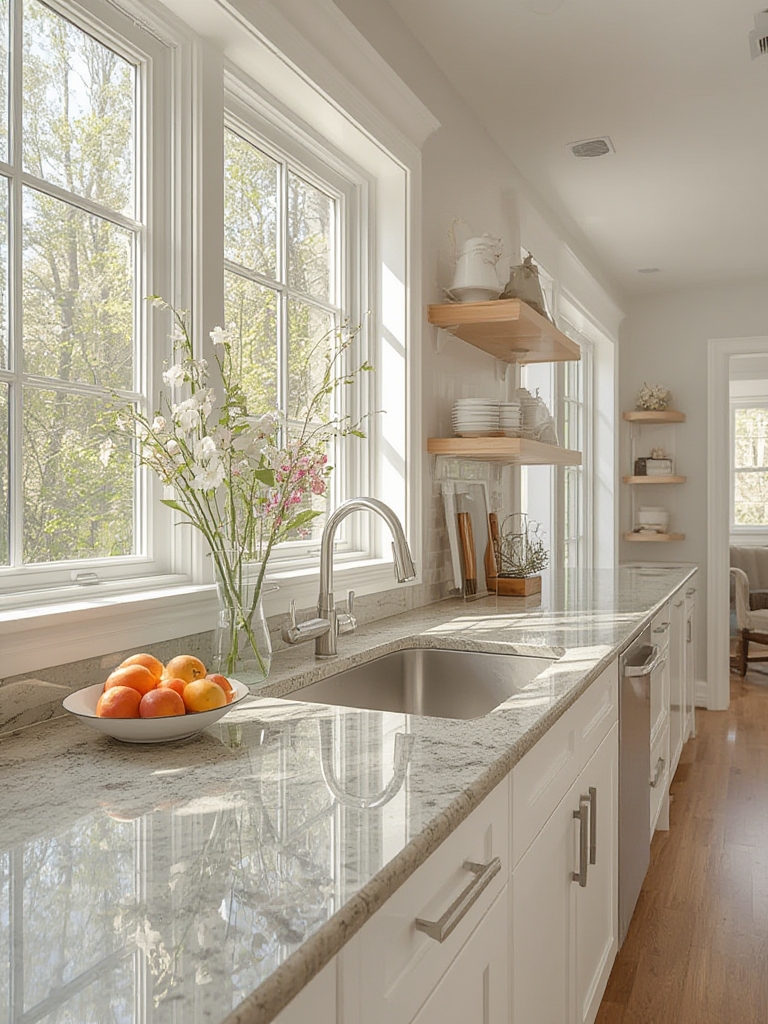
The right quartz countertop alternative depends entirely on your daily habits and design priorities. Porcelain shines in busy kitchens where heat resistance is non-negotiable, while engineered stone and sintered alternatives deliver new looks for those ready to move beyond quartz. Always see full slabs, test samples at home, and hire an experienced installer. No alternative is perfect, but the right choice will be functional, beautiful, and a pleasure to live with for years. Ready to upgrade with a bold new quartz countertop alternative? Get samples from local pros or visit showrooms to see these new materials in action—then make your kitchen an original.
Frequently Asked Questions
Are porcelain countertops really better than quartz for heat resistance?
Yes. Porcelain surfaces handle direct heat from pots and pans much better than quartz, which can scorch or discolor when exposed. You get more flexibility in daily use, but pay attention to edge chipping with some porcelain products.
Is there a big cost difference between quartz alternatives?
Costs vary by brand, finish, and region, but suppliers rarely publish detailed price lists. Porcelain tends to be comparable to mid-high end quartz, while engineered or ultra-compact options may be slightly more or less depending on fabrication. Always get multiple quotes.
Are quartz countertop alternatives easier to maintain?
Most alternatives like porcelain and engineered stone are non-porous and require little maintenance—just wipe up spills and avoid abrasive pads. Natural quartzite or marble needs sealing and special care, but porcelain and sintered surfaces are very low-maintenance.
What’s the main risk of choosing a trendy alternative?
The biggest risk is installer inexperience, especially with porcelain or ultra-compact slabs. Mistakes can mean chipped edges or visible seams, so hire a pro who can show you completed jobs in your chosen material.
Where can I find more kitchen upgrade tips?
Check out expert guides like Butler’s Pantry design or walk-in pantry renovation for more inspiration and practical tips.
—