

Sensory garden design is changing the way we think about home wellness, blending therapeutic science with practical DIY landscaping. Whether you live in a city apartment or have a sprawling backyard, the right sensory garden can boost mood, reduce stress, and offer daily mindful experiences—without needing professional training or big budgets. Here’s what you need to know to get it right the first time.
Key Takeaways
- Sensory gardens are proven to lower stress, improve mood, and increase cognitive function across all age groups.
- Successful design must thoughtfully engage all five senses, balancing aesthetics with accessibility and safety.
- Avoid common mistakes by planning for maintenance, considering local climate, and choosing the right mix of sensory plants and features.
- What Is a Sensory Garden and Why Does It Matter?
- How to Build a Sensory Garden: Step-by-Step Guide
- Real-World Pitfalls and Advanced Advice
- Conclusion
- Frequently Asked Questions
What Is a Sensory Garden and Why Does It Matter?
A sensory garden is a thoughtfully designed outdoor (or even indoor) space that intentionally stimulates all five senses—sight, sound, smell, taste, and touch—using plants, textures, sounds, and scents. The goal is to create a restorative environment for relaxation, mindfulness, and gentle physical activity. Scientific reviews show that sensory gardens are more than a trend. Clinical studies indicate sensory gardens and their digital equivalents can lower depression rates by up to 36% in elderly women, reduce anxiety, and improve overall quality of life. Meta-analyses covering 40+ studies confirm benefits for adults and children alike, including better mood, cognitive function, and even pain relief through regular engagement with garden spaces (source). Exposure to natural settings—including small backyards and container gardens—also consistently links to greater attention span, improved resilience, and a lower risk of psychiatric disorders as confirmed by the APA.

How to Build a Sensory Garden: Step-by-Step Guide
If you’re new to sensory planting or want to elevate an existing garden, these are the key action steps. Each step is backed by expert advice and real user experience.
-
Pick Your Location
Choose a spot that is easily accessible. Even a balcony or a corner of your yard works. Proximity to the home encourages regular use and improves safety, especially for seniors or kids. -
Design for All Senses
Plan distinct zones or features for each sense:- Sight: Add vibrant annuals, bold foliage, and changing seasonal displays.
- Sound: Install gentle water features, wind chimes, or ornamental grasses that rustle.
- Smell: Grow aromatic herbs like mint, lavender, or thyme. Flowering plants like roses and lilies work well, too.
- Taste: Include edible plants—berries, cherry tomatoes, nasturtiums—or a small herb garden.
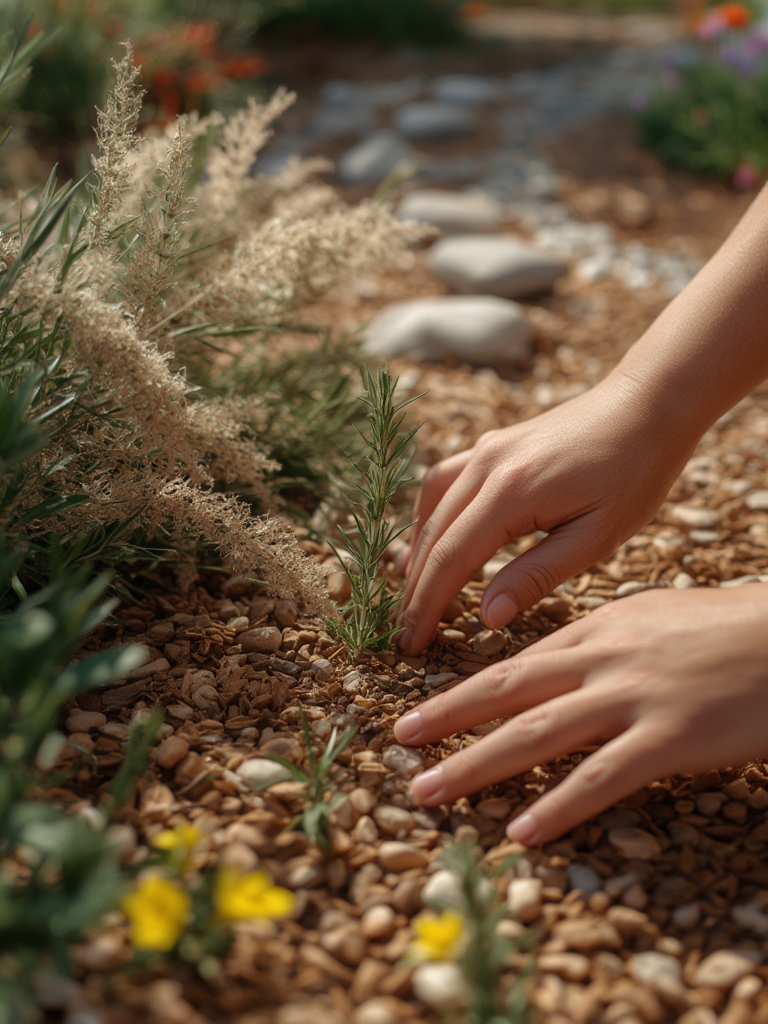
- Touch: Combine soft lamb’s ear, smooth pebbles, and textured tree bark for tactile interest.
-
Prioritize Accessibility and Paths
Use wide, slip-resistant paths for wheelchair or walker access. Raised beds and benches increase comfort for all ages. -
Add Mindful Spaces
Integrate seating for quiet rest, meditation, or group activities. Think shaded benches, swings, or simply a level patch of grass. -
Make a Maintenance Plan
Design with time and budget in mind. Choose low-maintenance, climate-appropriate plants and materials to reduce costs and frustration.
For additional inspiration on maximizing space and flow in outdoor areas, see how indoor-outdoor living upgrades boost home value.
Real-World Pitfalls and Advanced Advice
Building a sensory garden is rewarding but not always straightforward. Here are the most common mistakes and practical ways to overcome them:
- Plants failing to thrive: Ignoring your local climate or choosing high-maintenance species can create frustration. Use native plants whenever possible.
- Overlooking accessibility: Narrow paths, uneven surfaces, or densely planted beds can make gardens uninviting for people with mobility issues.
- Underestimating maintenance needs: Without a clear plan, gardens quickly become weedy and overgrown. Install mulch and automatic timers to simplify upkeep.
- Poor sensory balance: Some gardens overly favor sight or smell, neglecting touch, taste, and sound. Plan at least one strong feature per sense.
- Skipping budget planning: Sensory gardens can become expensive if not scoped realistically. Start small and scale up as you learn what works.
| Mistake | Impact | How to Avoid |
|---|---|---|
| Neglecting Accessibility | Limits engagement for kids, seniors, or disabled users | Use wide, level paths, smooth surfaces, and clear signage |
| Monoculture Plantings | Leads to pest/disease outbreaks and boring sensory experience | Mix textures, colors, scents, and heights for diversity |
| Water Features Without Supervision | Safety hazards for young children and pets | Choose shallow, contained water elements with covers |
| Ignoring Shade and Microclimate | Plants die or fail to flower, space becomes unusable in heat | Observe light patterns, plant accordingly, use shade sails |
| Forgetting Seasonal Change | Garden becomes dull in winter or late summer | Plant for year-round interest—evergreens, bulbs, late bloomers |
Not sure where to start with budgeting and ongoing costs? While hard data is slim, starting small allows you to zero in on what works before investing in costlier features. For detailed outdoor cost comparisons, check resources like outdoor kitchen planning and composite decking for parallels.
Want to combine your wellness garden with other trending upgrades for maximum lifestyle and resale value? Explore our guides on indoor-outdoor living space and enclosed porch conversions.
Conclusion
In summary, a well-designed sensory garden transforms ordinary outdoor spaces into daily wellness retreats. Prioritize all five senses, focus on accessibility, and start with manageable features. The research shows these gardens truly improve mental health, reduce anxiety, and boost everyday happiness. If you are ready to experience the benefits of a sensory garden, start small, track what you enjoy most, and keep adapting your design as you learn. Need extra design inspiration for other areas of your home? See our tips for maximizing pantry storage.
Get started today: take a 15-minute walk in your yard and jot down simple ideas for every sense. Your new sensory garden can be just a weekend away.
Frequently Asked Questions
Do sensory gardens really help with anxiety and depression?
Yes. Multiple scientific studies and meta-analyses confirm that sensory gardens—both physical and digital—help reduce symptoms of anxiety and depression for children, adults, and seniors.
What are the best plants for a sensory garden in a small space?
Compact herbs like thyme, mint, and basil, dwarf flowering annuals, edible violas, and trailing strawberries work well. Use hanging baskets and containers to maximize sensory impact in tight areas.
Are sensory gardens suitable for people with mobility challenges?
Absolutely. With wide, level paths, raised beds, and strategically placed benches, sensory gardens can be fully accessible and provide therapeutic benefits for wheelchair users or anyone needing extra support.
Is it expensive to build and maintain a sensory garden?
Not necessarily. Starting small, using local plants, and repurposing materials can keep costs manageable. Ongoing maintenance depends on plant selection and layout—native and drought-tolerant species reduce workload.
Can sensory garden design principles improve indoor or balcony spaces?
Yes. Even with limited space, you can use containers, indoor water features, and vertical planters to encourage multi-sensory experiences and mindfulness indoors.