

Smart garage door opener technology is transforming how homeowners secure, monitor, and control their garages—right from their phones or with a simple voice command. Whether you want to boost convenience or security, understanding how these devices work, their market impact, and what to watch for can make a real difference for your home.
Key Takeaways
- Smart garage door openers are surging in popularity, with Wi-Fi models dominating the market and strong growth forecast through 2030.
- Integrating your garage door into your smart home setup boosts convenience, but setup and compatibility issues can cause headaches.
- Lack of insight into installation costs, feature differences, and security vulnerabilities means homeowners need to research carefully before purchasing.
- 1. What Is a Smart Garage Door Opener & Why Upgrade?
- 2. Step-by-Step Guide: Setting Up & Using a Smart Garage Door Opener
- 3. Advanced Analysis & Common Pitfalls
- 4. Conclusion
- 5. FAQ
What Is a Smart Garage Door Opener & Why Upgrade?
A smart garage door opener is a device that lets you control your garage door remotely using your smartphone, tablet, or even your voice through a smart home system. These devices replace or upgrade traditional openers, offering features like real-time alerts, app integration, and enhanced security. The appeal is clear: never wonder if you left the garage open again, and grant access to friends or couriers from anywhere.
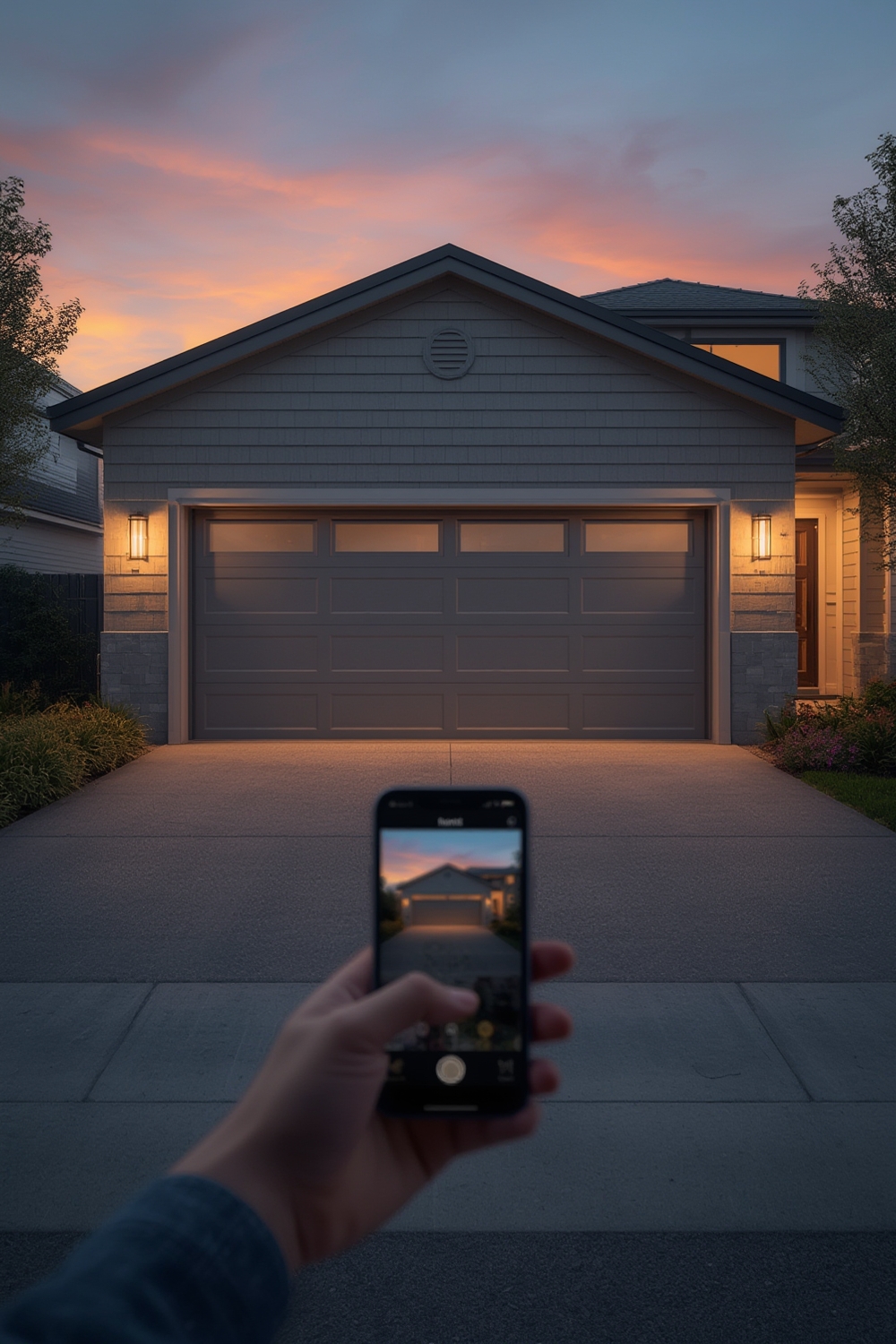
In 2024, global demand for smart garage door openers is booming. Reports estimate the market size from USD 0.64 billion to USD 2.6 billion, with forecasts predicting a compound annual growth rate (CAGR) between 8.5% and 10.9% through the next decade. North America accounts for 45% of the market thanks to widespread smart home adoption and solid IoT infrastructure (source). Residential users lead the way, especially those seeking seamless remote control and integration with home security systems.
Wi-Fi connectivity dominates, enabling mobile app controls, and integration with major smart home ecosystems is a key draw. If you’re already using voice assistants or automated routines, a smart garage opener can add genuine value to your daily routine.
Step-by-Step Guide: Setting Up & Using a Smart Garage Door Opener
Successful installation and operation of a smart garage door opener requires more than just plugging in a device. Follow these clear steps to get online quickly and reliably.
- Check compatibility: Verify that your existing garage door mechanism (brand and model) works with the smart opener you’re considering. Some models are universal, but others only fit specific systems. Review manufacturer documentation or check a compatibility chart.
- Choose the right device: Decide if you want a full smart garage door opener (motor replacement) or a controller that adds smart features to your current setup. Look for a unit that supports app control, has positive reviews, and fits your integration needs (Alexa, Google Assistant, Apple HomeKit).
- Plan your installation: Map out where to install the device. You’ll need reliable Wi-Fi coverage in your garage. If the signal is weak, consider setting up a Wi-Fi extender first. Gather basic tools: screwdriver, ladder, and, if necessary, a drill.
- Install the hardware: Disconnect the power to your existing garage opener before working. Mount the new smart opener or controller per instructions—usually this means attaching a small device near your opener and connecting a few wires.
- Connect to the app: Download the manufacturer’s app. Create or log into an account, then follow guided prompts to pair your device to your Wi-Fi network. You want to see connection lights blinking and hear confirmation beeps.
- Test and calibrate: Use the app to open and close the door. If you install a sensor, make sure it accurately senses when the door is open or shut. Adjust app settings: notifications, guest access, auto-close timers, and security preferences.
- Integrate with your smart home: Link your garage to Alexa, Google Assistant, or Apple HomeKit if desired. Set up custom routines or voice commands for added convenience.
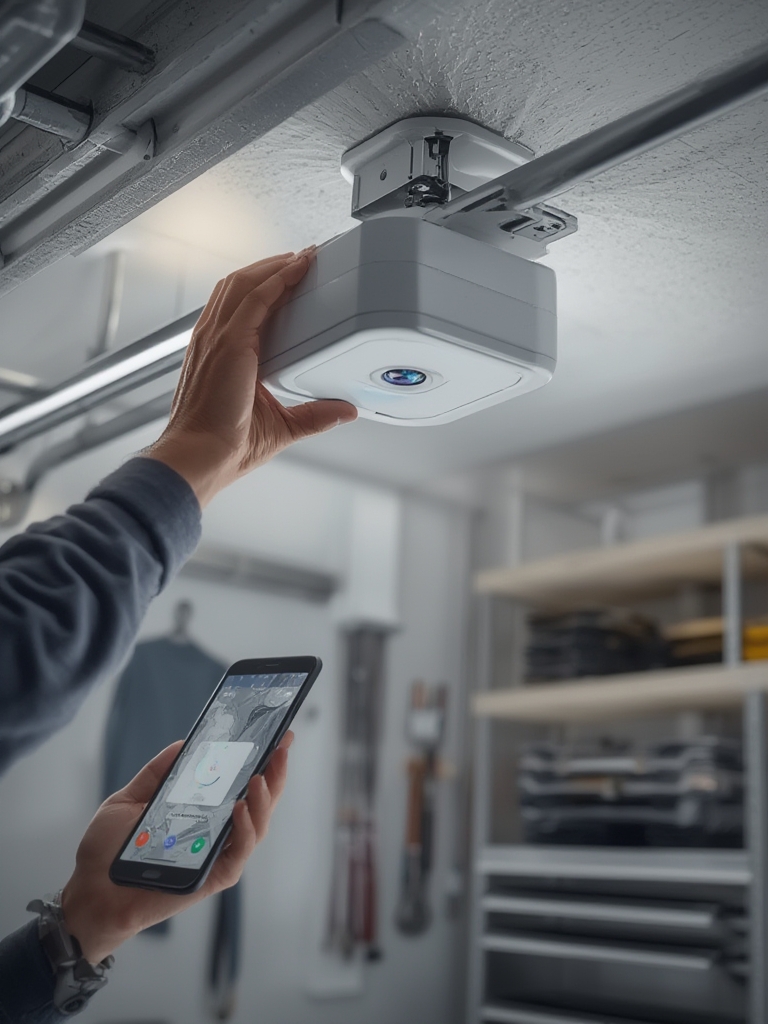
- Consider allowing family members or trusted friends access through shared app codes. Just remember to remove permissions if devices or relationships change. For more on smart home security best practices, see our guide to optimizing home security.
- If your opener supports it, enable two-factor authentication in the app. This simple security step thwarts many unwanted access attempts.
- Curious about energy management as part of your smart home? Check out our overview of efficient smart automation for energy savings.
Advanced Analysis & Common Pitfalls
Despite the convenience, upgrading to a smart garage door opener does have a learning curve. Here’s a look at what to expect—and which problems trip up new users most often:
- Wi-Fi reliability: Garages are notorious dead zones. If your Wi-Fi isn’t rock-solid in the garage, expect delays, lost connections, or failed commands. A separate extender may be necessary for consistent results.
- Integration quirks: Not all devices play equally nice with all smart home systems. Some owners of Alexa- or Apple-centric homes report hiccups with voice commands or automation routines. Always confirm device compatibility before buying.
- Lack of standardization: There’s no universal standard yet for garage door smart integrations, so app features, guest controls, and automation capabilities vary between brands and price tiers.
- Security blind spots: While manufacturers tout encryption, data on recent (post-2023) vulnerabilities isn’t widely available. Until more is known, use strong app passwords and enable software updates. Learn more about smart device security in our comprehensive analysis of smart home threats.
- Installation costs: 2024 market data does not reveal reliable cost comparisons between models or labor. Generally, expect $60-$300 for a DIY smart controller and $150-$600 for pro installation of full smart openers. Always request an upfront estimate from installers. Explore more pricing insights on our homeowner tech cost guide.
| Feature | Best-Selling Models | Budget Models |
|---|---|---|
| Wi-Fi/App Support | Full mobile app, real-time alerts, remote open/close, updates | Basic app, possible lag, updates less frequent |
| Voice Assistant Integration | Works with Alexa, Google Home, Apple HomeKit | May support one or require manual config |
| Installation | Simpler app-guided process; pro support readily available | May need workarounds; limited support |
| Security Features | Two-factor, encryption, regular patches | Basic login only; patching unclear |
| Warranty & Support | 12–36 months, clear support channels | 6–12 months, spotty support |
If you want to compare models, check out our in-depth comparison guide for feature-to-feature breakdowns.
For broader insight into the emerging trends and what’s next for connected homes, visit our exploration of smart home trends for 2024.
Conclusion
The market for smart garage door openers is growing fast thanks to user demand for smarter, safer, and easier home access. The best experience comes from picking a compatible device, ensuring reliable Wi-Fi, and understanding both conveniences and potential frustrations. While full transparency on costs and evolving security is still limited, taking the time to choose, install, and secure your setup pays off. If you’re ready to add a smart garage door opener to your home, research models thoroughly, double check compatibility, and make your garage as smart as the rest of your house.
Ready to explore even more ways to automate your home? Start with our beginner’s guide to smart home automation and take control from the garage to every room inside.
FAQ
How does a smart garage door opener work?
It connects to your home’s Wi-Fi and lets you control, monitor, and automate your garage door using a smartphone app or voice assistant. Some models require you to replace the full opener, while others are add-on controllers for existing units.
Is installation difficult for a smart garage door opener?
Most DIYers can install a smart controller in about 30–60 minutes with basic tools. More complex motor replacements or multi-door setups might need professional help.
Can I use my smart garage opener with Alexa or Google Assistant?
Most Wi-Fi-enabled smart garage openers in 2024 support Alexa and Google Assistant integration. Always check compatibility lists before purchasing.
Are there security risks to using a smart garage door opener?
All Internet-connected devices carry some risk. Use strong, unique passwords, enable app updates, and consider two-factor authentication where available.
What if my home Wi-Fi signal is weak in the garage?
Use a Wi-Fi extender or mesh system to boost coverage. A strong, stable connection is required for reliable app control and notifications.