
SPC flooring vs LVP is the key decision facing homeowners and contractors looking for a waterproof, durable flooring solution in 2024-2025. If you want to avoid costly mistakes, here’s what you need to know before you buy.
Key Takeaways
- SPC leads the market for residential and commercial waterproof flooring, with higher durability and lower long-term maintenance risk than flexible LVP.
- SPC’s rigid core prevents dents and resists water, but can feel hard underfoot; thicker SPC or WPC offers improved comfort for busy homes.
- LVP remains a budget-friendly choice and offers easy, DIY installation, but it is more vulnerable to dents, gaps, and subfloor imperfections.
- SPC Flooring vs LVP: The Core Concept
- How to Choose and Install: Step-by-Step Guide
- Advanced Analysis & Common Pitfalls
- Conclusion
- SPC Flooring vs LVP: Frequently Asked Questions
SPC Flooring vs LVP: The Core Concept
SPC (Stone Plastic Composite) and LVP (Luxury Vinyl Plank) are both forms of vinyl flooring, but their internal construction and suitability for different spaces vary dramatically.
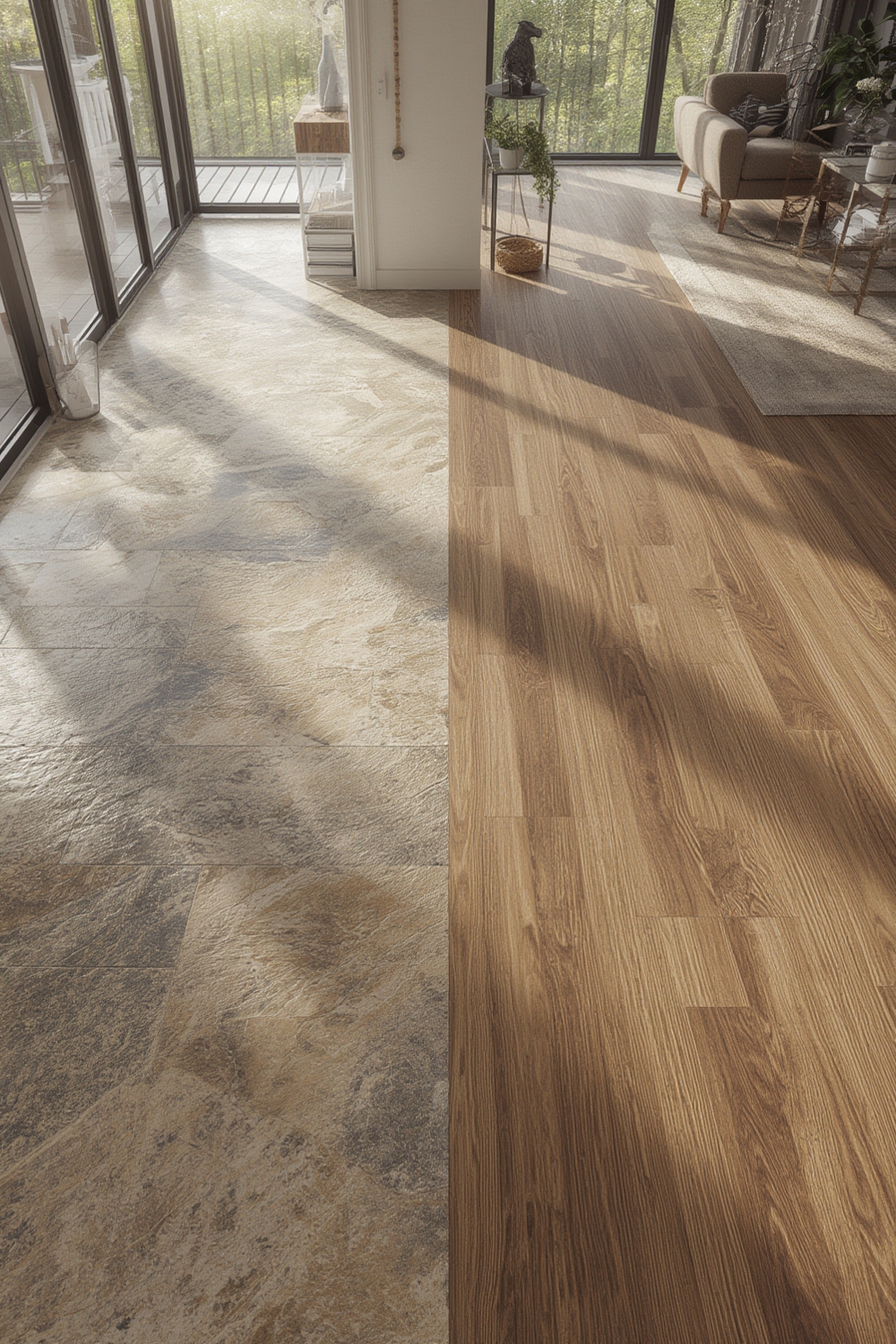
SPC flooring uses a dense, rigid core made from limestone and stabilizers, making it exceptionally resistant to dents, heavy loads, pets, and water. This construction bridges subfloor imperfections, resists warping in humid areas, and now commands over 64% of the luxury vinyl tile market as of 2024 (source). LVP, meanwhile, consists of a flexible PVC core that is comfortable underfoot and more affordable but is vulnerable to dents and may show wear in busy family homes.
Switching to SPC unlocks the most realistic wood and stone looks, impressive water resistance (ideal for basements and kitchens), and click-lock floating setups for fast installation. If you value comfort, LVP or newer thick SPC/WPC hybrids can still make sense—especially for bedrooms or rentals where easy plank replacement and lower upfront cost matter.
Most recent remodeling trends suggest strong growth in both, with SPC winning out in high-traffic zones and places prone to moisture or rental turnover (more).
How to Choose and Install: Step-by-Step Guide
Not sure which way to go? Follow these steps for a successful SPC or LVP flooring project, whether you’re remodeling your kitchen, finishing a basement, or upgrading a rental:
-
Define Your Space and Priorities.
- Wet or below-grade area? Prioritize SPC for best water resistance.
- Battling pet claws, kids, or office chairs? SPC’s rigid core is the winner for dent-proof, easy-clean performance.
- Need extra comfort or silent steps? Compare thick SPC or even WPC for a softer, more forgiving feel. Traditional LVP can work if durability isn’t your main concern.
-
Evaluate Subfloor Needs.
- Old, uneven concrete? Thicker SPC/WPC will float over small imperfections. Thin LVP needs a near-perfect base—add subfloor prep costs if yours is wavy.
-
Choose Your Brand and Wear Layer.
- Top-rated SPC brands for 2025 are Coretec, Pergo, and Shaw’s COREtec (see market analysis). Favor 20+ mil wear layers for commercial or rental settings.
- Eco-considerations? Look for brands advertising low-VOC/SPC platforms, like some options from Shaw or Southwind.
-
Plan Your Installation—DIY or Pro?
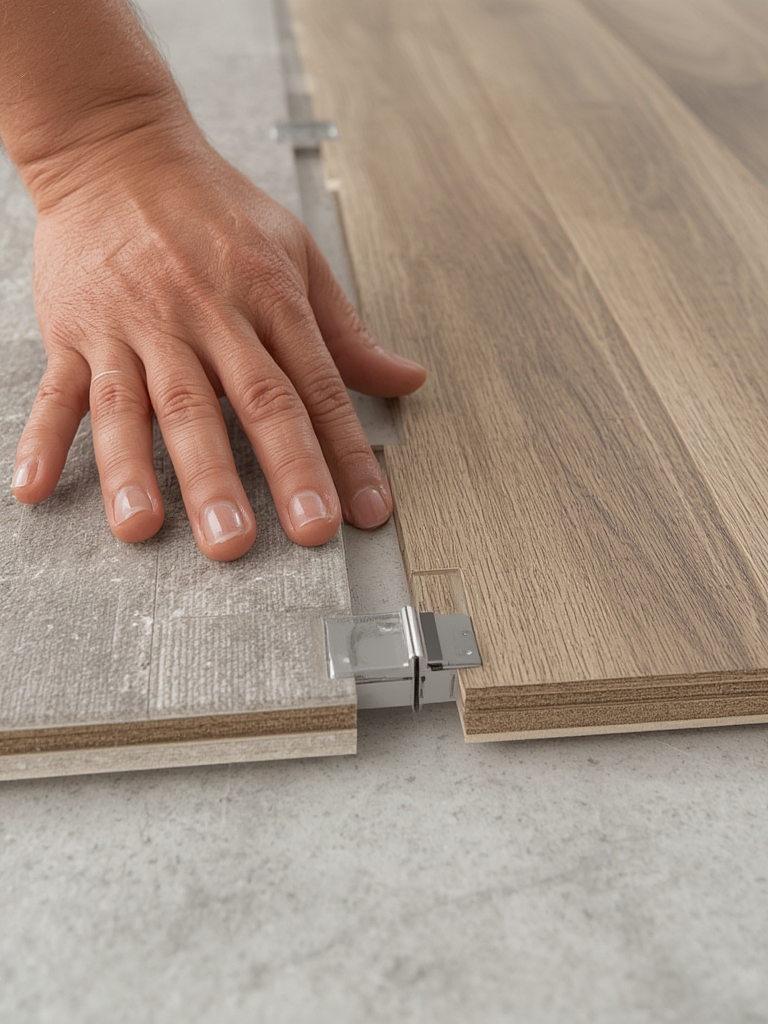
- Click-lock SPC installs fast for most DIYers. LVP’s peel-and-stick or loose lay styles are easiest, but risk more gaps and movement over time.
- Factor in subfloor repair. SPC can float with minimal prep; LVP almost always requires extra time to ensure a smooth, gap-free result.
-
Order at Least 10% Extra Material.
- This covers waste cuts and future plank replacements in the busiest zones.
-
Install and Maintain Regularly.
- Follow manufacturer layout guidelines—stagger joints and leave expansion gaps.
- Sweep frequently and use protective pads under furniture legs, especially with flexible LVP.
Looking for more on home upgrades? Our guides on curbless shower waterproofing, quartz countertop alternatives, and composite decking trends offer detailed solutions for every major remodel.
Thinking ROI? SPC flooring can enhance home resale value and save long-term costs thanks to its durability. For spaces like pantries, see how optimizing your walk-in pantry renovation can further boost storage and visual appeal.
Advanced Analysis & Common Pitfalls
Choosing between SPC and LVP isn’t just about price tags or installation time—it’s about long-term performance, daily wear, and future-proofing your investment. Here’s what the research reveals:
| Feature | SPC (Stone Plastic Composite) | LVP (Luxury Vinyl Plank) |
|---|---|---|
| Core Material | Limestone-plastic composite (~60% limestone) | Flexible PVC core |
| Waterproofing | 100% Waterproof—survives basements/floods | Water-resistant, but potential for gaps |
| Dent Resistance | High—resists heavy furniture and pets | Moderate to low—prone to indentations |
| Subfloor Tolerance | Forgiving (especially in thicker formats) | Needs perfectly flat surface |
| Underfoot Comfort | Firm; options with WPC core are softer | Softer, warmer, and quieter |
| Installation Method | Click-lock floating; quick install | Click, glue-down, loose lay, or peel-and-stick |
| Common Issues | Hard feel (improved with underlayment), rare quality issues with bad suppliers, thinner SPC may transmit subfloor flaws | Dents, gaps, curling, needs surface prep |
| Best Use Cases | High-traffic/wet zones: kitchens, laundry, basements, rentals | Bedrooms, offices, budget-friendly remodels |
| Environmental Impact | Eco-friendly versions emerging, but limited transparency on sourcing | Some brands offer low-VOC/plasticizer content |
- Pitfall: SPC can feel hard to walk on, especially in thin planks or bare feet. Thicker WPC or underlayment pads help but raise costs.
- Pitfall: LVP planks dent easily under heavy furniture or in busy playrooms. In multi-tenant rentals, this means higher maintenance and possible replacement costs.
- Pitfall: Improper subfloor prep with LVP leads to gaps and uneven joints. SPC forgives minor flaws, but extreme unevenness still risks click failures and warranty voids.
- Pitfall: Low-cost or “bad player” SPC brands may offer weak lock systems or unpredictable wear, so stick with reputable brands (Shaw, Coretec, Pergo).
- Pitfall: Long-term eco-friendliness is murky—while eco-SPC/WPC options are trending, most competitor articles skip deeper life cycle analysis or emission stats.
If you’re planning a wet-room upgrade, also check out our in-depth curbless shower guide for crucial waterproofing tips.
Conclusion
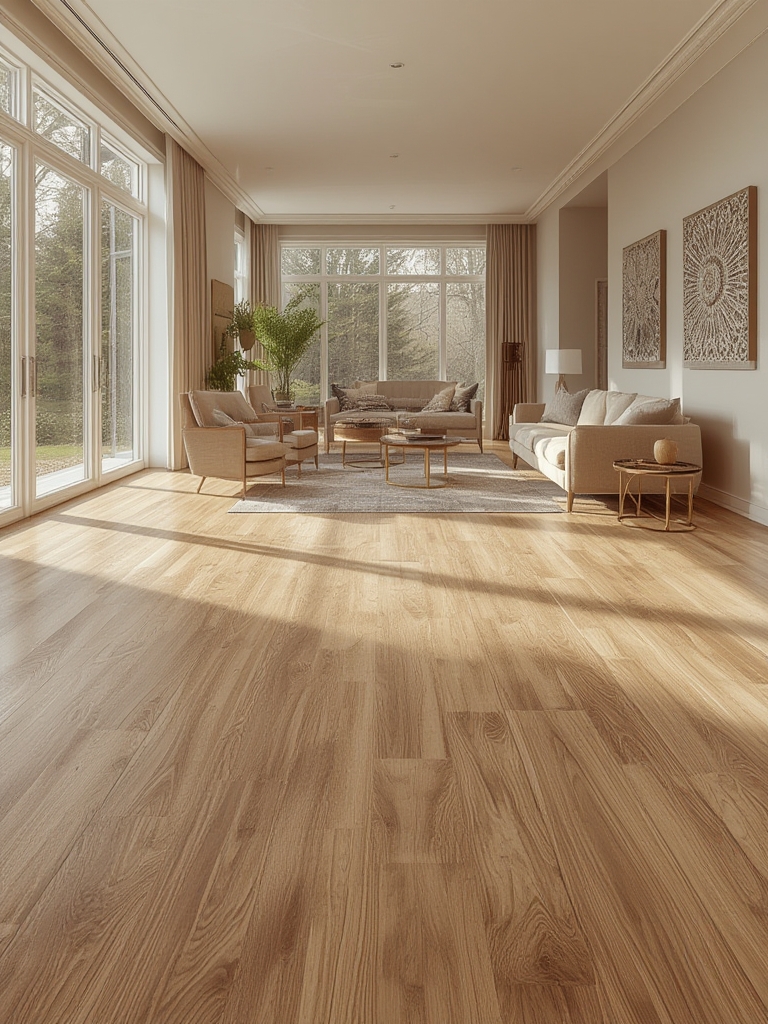
Making the right choice in the SPC flooring vs LVP debate depends on your traffic level, subfloor condition, water exposure, and personal comfort preferences. SPC stands out for durability and long-term ROI, especially in busy or wet spaces, while LVP’s comfort, cost, and quick installation may better suit lighter-traffic rooms or tight budgets.
Ready to remodel? Assess your priorities, sample both options, and never guess on subfloor prep. For expert updates on flooring, kitchens, and value-boosting home upgrades, explore our full collection of proven renovation guides today.
SPC Flooring vs LVP: Frequently Asked Questions
What is the main difference between SPC flooring and LVP?
SPC flooring uses a rigid limestone-plastic composite core, which resists dents and water better than the flexible PVC core found in traditional LVP. This makes SPC more suitable for high-traffic and wet areas, while LVP is softer but more prone to damage from heavy items.
Is SPC more expensive to install than LVP?
Material costs for SPC tend to be higher, but installation labor may be lower due to its ability to float over minor subfloor flaws. LVP may require more subfloor prep, which could raise overall installation costs despite lower material prices.
Can I install SPC flooring in my basement or bathroom?
Yes, SPC is fully waterproof and ideal for basements, bathrooms, laundry rooms—anywhere spills or humidity are an issue. Its tight-locking system helps prevent moisture penetration, unlike some LVP products that may develop gaps.
How do I maintain and clean SPC and LVP floors over time?
Both SPC and LVP are low-maintenance—regular sweeping and damp mopping are enough. Avoid abrasive cleaners. SPC is less likely to need repair from dents or gapping, reducing long-term maintenance costs.
Does SPC flooring increase home resale value?
Yes, research suggests buyers increasingly value SPC for its durability and waterproof properties. It can boost ROI by reducing replacement risk. For more, explore our guides on ways to maximize home value.