
### Blog Post:
Statement range hood designs are transforming kitchens by turning a functional necessity into a bold visual centerpiece. If you want your cooking space to look high-end and custom while solving everyday ventilation needs, choosing the right statement range hood is crucial—but it’s easy to make expensive, hard-to-fix mistakes. This guide cuts through trends and marketing hype to explain exactly what to expect, what to avoid, and how to make a statement that lasts.
Key Takeaways
- Statement range hoods are surging in popularity, driving billions in sales as homeowners seek kitchen centerpieces that combine style and performance.
- Choosing, sizing, and installing a statement range hood pose unique functional and design challenges—especially around ventilation, scale, and kitchen compatibility.
- Premium statement hoods require careful attention to material, maintenance, and realistic budget expectations, as issues with ducting or upkeep can undermine the investment.
- What Is a Statement Range Hood and Why Choose One?
- How to Make a Statement Range Hood Work: A Step-by-Step Guide
- Real-World Challenges and Common Pitfalls
- Conclusion
- FAQ
What Is a Statement Range Hood and Why Choose One?
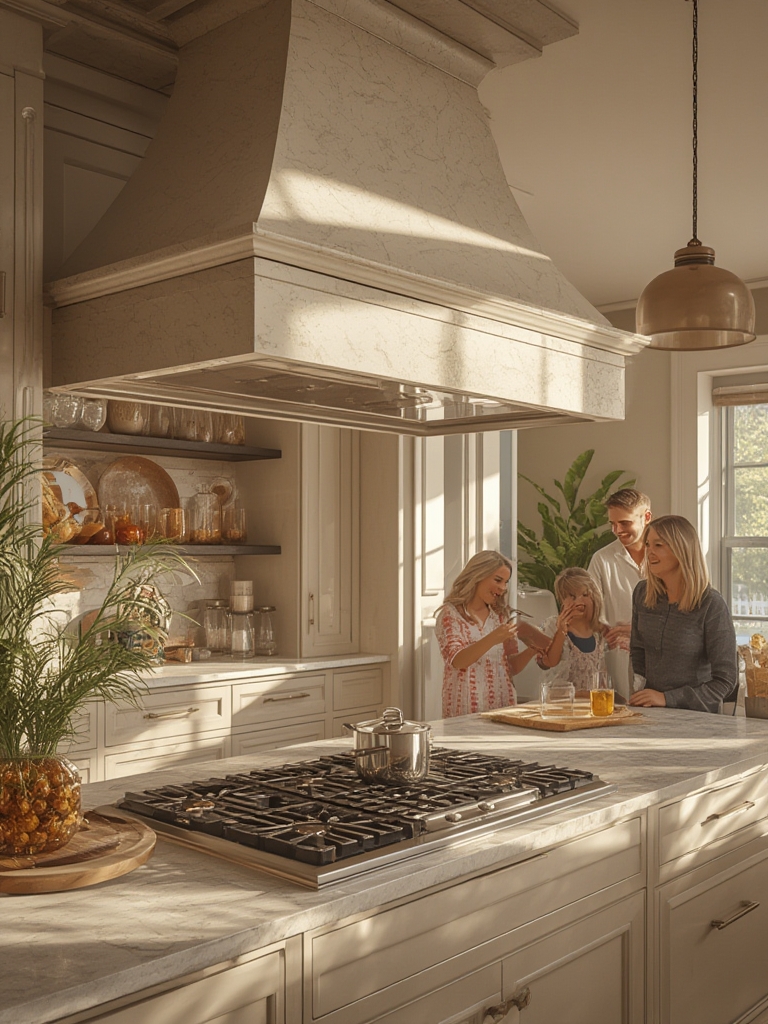
Statement range hoods are high-impact, visually striking ventilation units designed not only to remove smoke and odors but to serve as the focal point of your kitchen. Unlike traditional, builder-grade options that blend into the background, these hoods often use unique shapes, luxury materials, and dramatic finishes—such as powder-coated metals, copper, or even wood cladding—to create a customized, premium look.
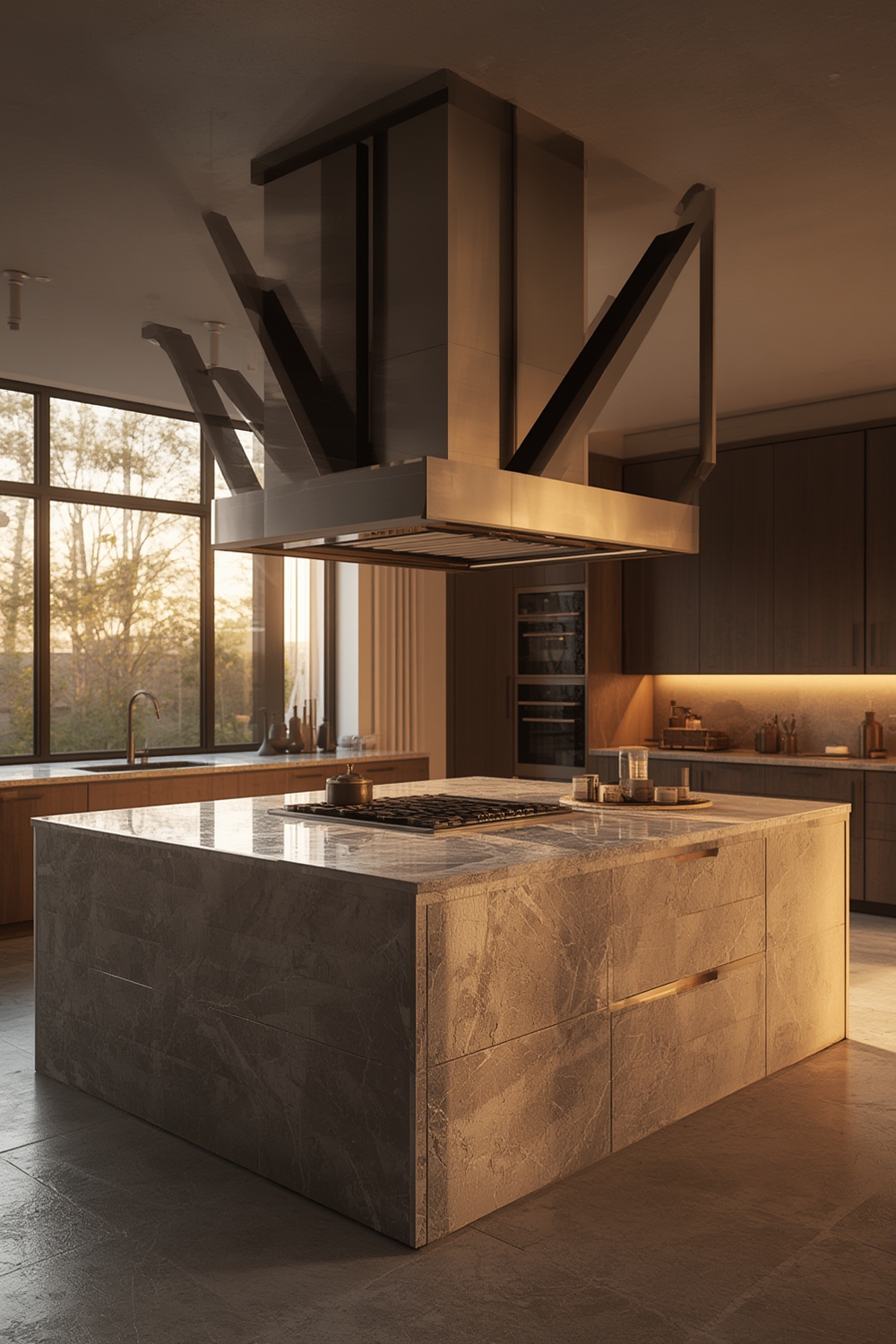
Why are more homeowners choosing statement hoods? According to market research, the global range hood market—especially wall-mounted and premium models—was valued at USD 20.9 billion in 2024 and is projected to nearly double in the next decade. In the U.S. alone, demand is surging for range hoods that combine advanced performance with distinctive style, driven by new builds and kitchen renovations attempting to add resale value and character (source).
The modern kitchen’s open layouts put range hoods front and center, making them ideal for homeowners looking to differentiate their space and boost visual appeal—whether with a classic metal silhouette or a custom sculptural design that truly stands out.
How to Make a Statement Range Hood Work: A Step-by-Step Guide
The right statement range hood transforms your kitchen—but success depends on more than just picking the prettiest option. Here’s how to get it right:
- Evaluate Your Space: Carefully measure ceiling height, wall space, and range location. Oversized or undersized hoods disrupt kitchen proportions and functionality.
- Determine Venting Requirements: Decide between ducted (recommended for best performance) and ductless hood options. If possible, consult with a professional to plan duct runs and vent placement. Challenges with ducting can drastically limit your choices.
- Choose Impactful Style & Material: Select the design, finish, and material that complements your cabinetry and other architectural elements. Brass, copper, or powder-coated metals offer drama and durability—each with its own upkeep needs, which many homeowners overlook.
- Set a Realistic Budget—including Installation: Statement hoods are often custom—fabrication costs, delivery, and professional installation quickly add up. Don’t forget to budget for electrician and contractor fees.
- Source Qualified Installers: Many range hood problems result from amateurish installation. Look for licensed contractors with experience handling luxury hoods.
- Plan for Maintenance: Factor in long-term cleaning and care. Exotic materials can require frequent upkeep to retain their finish and performance.
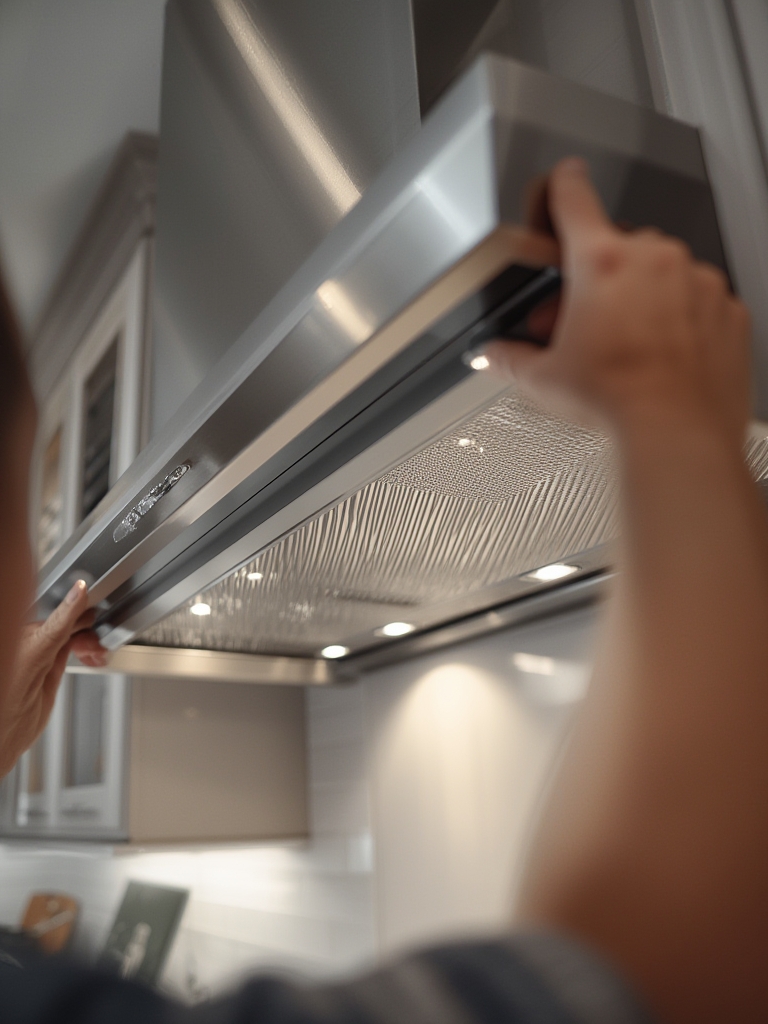
- Integrate lighting features—like dimmable LEDs—to add functionality and extra “wow.”
- Coordinate your range hood material with accents elsewhere: hardware, floating shelves, or a butler’s pantry can echo finishes for a designer look.
- Review similar luxury upgrades, such as indoor-outdoor living spaces, to ensure style consistency and maximize ROI.
Real-World Challenges and Common Pitfalls
Even experienced homeowners and designers can run into trouble when installing a statement range hood. While data is limited on specific user complaints, market reports and real-world installs reveal several recurring problems:
| Potential Pitfall | Why It Matters | How to Avoid |
|---|---|---|
| Improper Sizing/Scale | Too large or too small disrupts kitchen balance and can hinder performance. | Match hood width to cooktop (at least as wide; often 6” wider for large stoves). |
| Poor Ducting or Vent Placement | Limits airflow, increases noise, may violate local code. | Plan duct runs before fabrication; consult a specialist early. |
| Unrealistic Material Choices | Some finishes (brass, high-gloss) tarnish, dent, or show grease more easily. | Opt for practical finishes or be ready for frequent cleaning and touch-ups. |
| Underpowered Blower | Cooks with gas, wok burners, or frequent high-heat use need more CFM. | Choose a blower with at least 350-600 CFM for most homes (higher for heavy use). |
| DIY Installation Errors | Loose fasteners, electrical issues, insecure mounting can damage walls and appliances. | Invest in professional installation, especially for heavy or custom hoods. |
| Long Lead Times | Custom fabrication can take 6-12 weeks—or longer with imported materials. | Start the process early in your kitchen renovation timeline. |
Another commonly neglected factor is upkeep. For instance, copper and brass require regular polishing to avoid patina, powder-coated metals scratch less but may show fingerprints, and custom wood hoods can warp if not properly sealed over time. These maintenance realities—rarely mentioned in marketing—should be discussed with your installer before committing.
If you’re planning a broader kitchen overhaul or want cutting-edge touches, pairing your range hood upgrade with features like smart device controls or seamlessly integrated energy-efficient windows can enhance value and performance. For homeowners more focused on storage than spectacle, a walk-in pantry renovation may offer more practical ROI.
Conclusion
When properly selected and professionally installed, a statement range hood offers real functional benefits while defining the character of your kitchen. The process involves more complexity, cost, and potential maintenance than standard vent hoods—but for many, the end result is worth the investment. Whether you choose industrial steel, polished copper, or a bespoke, integrated form, remember that a thoughtful approach is key to enjoying your statement range hood for years to come. Looking for a tailored design or technical consultation? Take the next step and speak with a qualified kitchen designer or contractor now.
FAQ
Can I install a statement range hood without external ducting?
It is possible, but ductless hoods are less effective at odor and moisture removal. For high-performance or multi-burner ranges, always choose ducted ventilation if feasible.
What is the average cost difference between a standard hood and a custom statement range hood?
While prices vary widely, standard hoods typically cost $300-$1,200 plus installation. Custom statement hoods can easily run $2,500-$10,000 or more, especially when using premium materials and professional installation. Always request multiple quotes.
Which materials are easiest to maintain on a statement hood?
Powder-coated steel and matte-finish metals are often the most forgiving. Copper and brass need regular polishing, while wood requires sealing and special cleaners to prevent stains or warping.
Are statement range hoods worth the investment for resale?
In high-end markets and updated kitchens, a statement hood can boost appeal and value—especially when combined with consistent luxury upgrades throughout the home. However, over-customizing may backfire in modest neighborhoods or on a tight budget.
How do I coordinate my range hood with other kitchen upgrades?
Match finishes to hardware, lighting, or nearby storage solutions like a butler’s pantry. If you’re adding an outdoor kitchen, echo similar materials for a seamless extension of style.