

Walk-in pantry renovation trends are transforming kitchens and boosting home value, but most homeowners underestimate the complexity, time, and real costs involved. If you want to turn a cluttered closet or awkward nook into a functional walk-in pantry with custom built-in storage, read this comprehensive guide before calling a contractor.
Key Takeaways
- Walk-in pantry renovations require careful planning, budget allocation, and attention to technical details for a durable, organized result.
- Expect costs for a custom project to differ greatly from general kitchen remodel averages; breakdowns and ROI are still elusive compared to other upgrades.
- Pro tips and real-world pitfalls will help you avoid costly mistakes and maximize resale value if you ever list your home.
- What Is a Walk-in Pantry Renovation and Why Do It?
- How to Plan and Build a Custom Walk-in Pantry: Step-by-Step Guide
- Advanced Analysis & Common Pitfalls
- Conclusion
- FAQ
What Is a Walk-in Pantry Renovation and Why Do It?
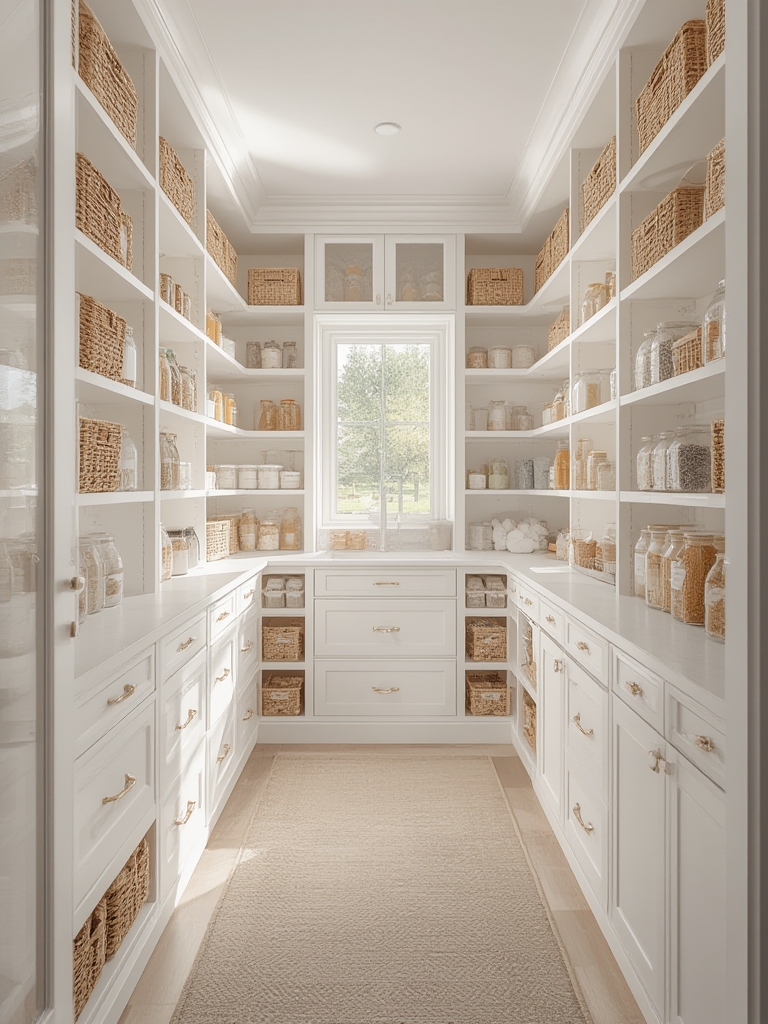
A walk-in pantry renovation converts an ordinary storage closet or section of kitchen space into a dedicated walk-in pantry with custom shelves, built-ins, and organizational features. Homeowners choose this upgrade for better food storage, reducing kitchen clutter, and improving workflow.

When well-designed, a walk-in pantry outperforms shallow cabinets or open shelves by providing:
- Ample storage area for dry goods, small appliances, and bulk items
- Custom zones for canisters, baskets, spices, and baking goods
- Better use of vertical and corner space than off-the-shelf solutions
- A clutter-free, streamlined kitchen experience
While there’s no separate ROI statistic for pantries, data from minor, midrange kitchen remodels (which often include a pantry upgrade) indicates a national average ROI of 96.1% (source). This makes thoughtful pantry improvement a competitive choice if resale value is top priority.
How to Plan and Build a Custom Walk-in Pantry: Step-by-Step Guide
-
Evaluate Your Space
- Measure carefully. Is your pantry an underused closet or a full walk-in area accessible from the kitchen?
- Check site conditions: electrical, plumbing, structural walls. Know if HVAC or ductwork will be affected.
-
Draft Your Wish List
- Consider what you need to store—appliances, food, cleaning supplies, cookware.
- Look at built-in options like pull-out drawers, cabinet-grade shelving, or floor-to-ceiling cubbies.
- Sketch out the basic layout, prioritizing accessibility and circulation.
-
Set a Realistic Budget
- Expect a wide range. Industry sources suggest kitchen remodels with pantry features can run from $5,000 for simple shelving upgrades to $25,000+ for top-tier built-ins with lighting and appliance integration (see cost data).
- Allocate budget for demolition, structural changes, materials, specialty hardware, labor, permits, and contingency (10–20%).
-
Find a Qualified Designer or Contractor
- Choose professionals familiar with custom pantry work, not just generic cabinet installers. Ask for project photos and references.
- Verify they’ll handle building code compliance and local permits.
-
Select Durable, Resale-Friendly Materials
- Preferred finishes include painted moisture-resistant MDF, melamine, or plywood for longevity and easy cleaning.
- Install metal or hardwood shelving supports for heavy goods.
- Opt for adjustable shelves, glass containers, and full-extension hardware.
- Where dampness is a concern, consider moisture-resistant coatings—useful in kitchen insulation upgrades as well.
-
Address Lighting and Ventilation
- Hardwired LED strips or motion-activated lights are superior to battery stick-ons.
- Plan for exhaust vents or passive airflow in humid climates to prevent mold.
-
Lock In Your Schedule
- Expect 1–2 weeks for the design and permitting phase, and 1–4 weeks for construction and built-in installation—though complex builds will take longer if custom millwork is ordered.
- Pad your timeline if the project requires moving walls, relocating utilities, or ordering specialty materials.

During these steps, keep building codes in mind. In many municipalities, even a “simple” pantry can require permits for electrical, venting, or if square footage is increased. Always ask your contractor about the latest requirements or consult your local building department.
Want more organization ideas? Visit our walk-in closet renovation resource for layout inspiration, or see how attic insulation cost breakdowns relate to finished storage areas.
Advanced Analysis & Common Pitfalls
While a walk-in pantry renovation looks straightforward, homeowners often hit unexpected roadblocks. Based on the latest research, here’s a realistic look at the pitfalls you might face—with a comparison table for quick reference.
| Common Pitfall | Why It Happens | How to Avoid |
|---|---|---|
| Underestimating Costs | Lack of clear labor and material breakdowns; hidden repairs | Request direct quotes, include a buffer, and itemize all costs |
| Poor Shelf Layout | Insufficient depth/spacing; not accounting for appliance storage | Test layouts with cardboard mock-ups before building |
| Lighting Mistakes | Overreliance on dim overhead fixtures or battery lights | Install hardwired LEDs or motion-activated systems |
| Ignoring Codes/Permits | Assuming work is “minor” and not checking local rules | Always confirm code/permit needs before demolition |
| Choosing Weak Materials | Opting for cheap particle board or low-grade wire systems | Invest in durable MDF, plywood, or metal supports |
It’s also critical to avoid bottlenecks by having a backup plan for material or contractor delays—especially if your kitchen will be out of commission for more than a week. If you’re tackling other projects, consider how your garage insulation installation timeline coordinates with pantry access and delivery windows to avoid overlap.
Conclusion
Walk-in pantry renovation can dramatically enhance storage, organization, and long-term value in your home, but expectations must be calibrated. Cost and ROI data are hard to pin down, project delays happen, and technical code hurdles cannot be ignored. Take your time planning, ask direct questions before hiring a professional, and you’ll get a functional pantry that meets your real needs.
If you’re considering a walk-in pantry renovation, set a clear budget, research local code requirements, and don’t be afraid to invest in quality materials. For tailored advice or to connect with trusted professionals, start with a no-obligation design consultation today.
FAQ
How much value does a walk-in pantry renovation really add?
There’s no specific ROI statistic for pantries alone, but minor kitchen remodels (which often include pantry upgrades) have a national average ROI of 96.1%, according to industry sources.
What is the typical timeline for a custom walk-in pantry renovation?
Most projects take between 2-6 weeks from design to completion, depending on materials, contractor availability, and the complexity of your custom features.
Do I need a building permit to renovate my pantry?
Many localities require permits for electrical, lighting, or structural work—even in pantries. Always verify with your local building department or ask your contractor for guidance.
Can I DIY a walk-in pantry renovation?
DIY is possible for basic shelving and paint, but custom built-in organization, electrical work, and code compliance are best left to qualified professionals for safety and future resale considerations.
Which materials are best for a durable walk-in pantry?
Professionals often choose moisture-resistant MDF, melamine, or plywood for shelving, paired with strong metal hardware and full-extension drawer slides.