

Outdoor fire feature installations are skyrocketing as homeowners seek ways to create inviting, functional, and valuable outdoor spaces. With new market trends, technologies, and design options emerging rapidly, choosing and maintaining the right fire feature requires smart planning and up-to-date insight.
Key Takeaways
- Demand for outdoor fire features is booming, driven by a focus on outdoor living, entertaining, and home value.
- Material selection and new technologies like Wi-Fi-enabled smart fire pits can maximize both durability and user experience.
- Homeowners should be aware of potential installation and maintenance challenges before investing.
- What Is an Outdoor Fire Feature and Why Are They Trending in 2024?
- How to Choose and Install an Outdoor Fire Feature: Step-by-Step Guide
- Advanced Analysis & Common Pitfalls (Real-World Problems to Avoid)
- Conclusion
- FAQ
What Is an Outdoor Fire Feature and Why Are They Trending in 2024?
Outdoor fire features are purpose-built installations like fire pits, fire tables, gas or propane burning fire bowls, and outdoor fireplaces, designed to enhance backyard ambiance and create year-round gathering spots. In 2024, their popularity continues to surge. The global fire pits market alone reached between USD 3.29 to 7.8 billion this year and is forecasted to grow 5.5%-6.9% annually through 2034 [IMARC Report]. North America leads the worldwide trend, with US homeowners favoring outdoor living for relaxation, stress reduction, and property value.
Key trends include:
- Smokeless, Wi-Fi/Bluetooth-enabled, and eco-friendly features for both aesthetics and convenience
- Materials such as stainless steel and copper for enhanced weather resistance and longevity
- Authentic wood-burning models still dominate for ambiance, holding 42.7% market share [Market.US]
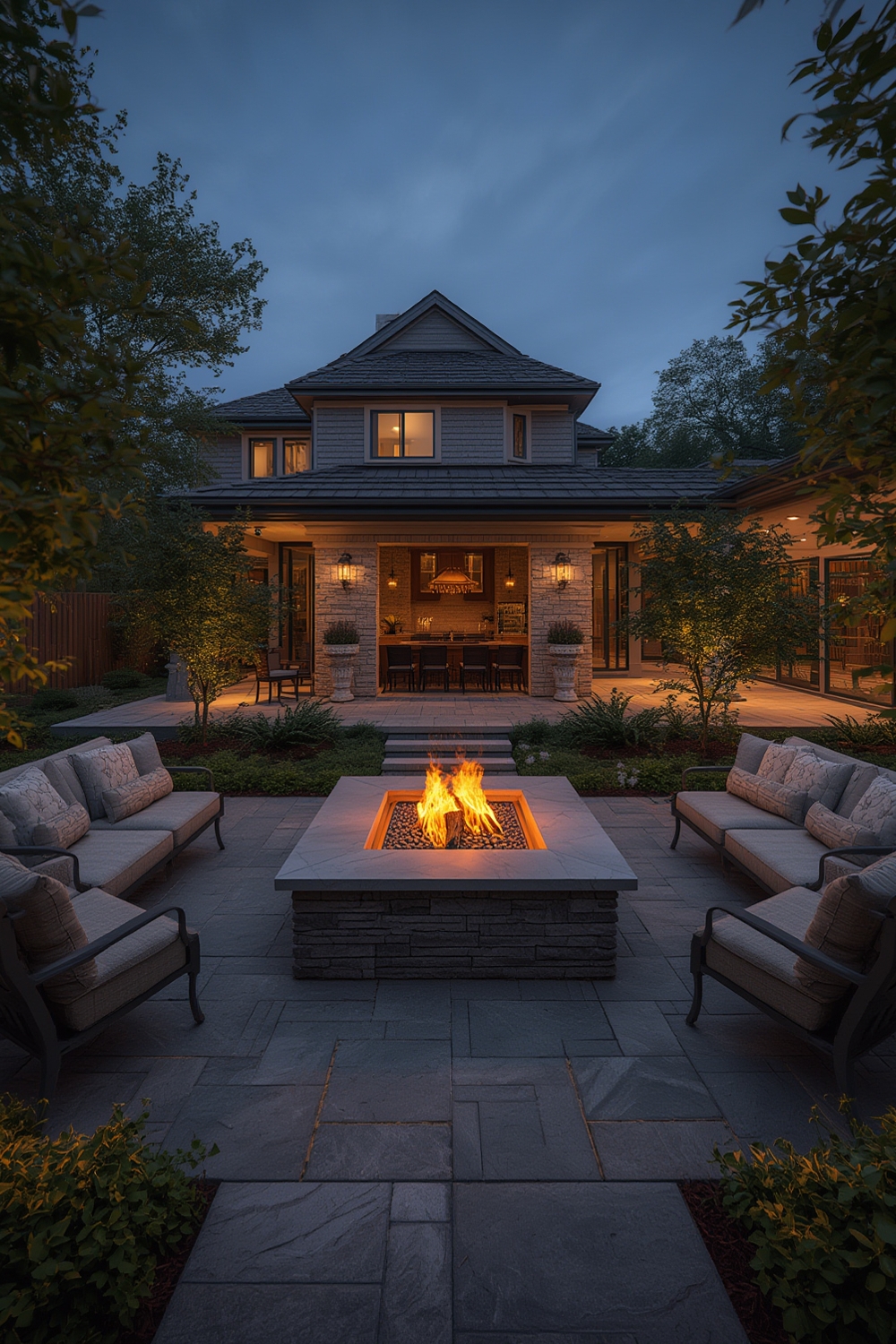
With 67% of Americans now spending over 11 hours weekly outdoors, investing in a backyard fire feature has become a proven way to boost both comfort and home value.
Looking to maximize your entire yard for four-season enjoyment? Discover design strategies in our indoor-outdoor living space guide for more inspiration.
How to Choose and Install an Outdoor Fire Feature: Step-by-Step Guide
-
Define Your Purpose and Space
Decide if you want a cozy gathering spot, a statement piece for entertaining, or a functional cooking area. Measure your space and consider local wind patterns, proximity to structures, and comfortable seating arrangements. -
Select the Right Type
Choices include wood-burning fire pits, gas fire pits, fire tables, propane bowls, or full fireplaces. Each has pros and cons in terms of fuel cost, ambiance, maintenance, and installation complexity. -
Research Local Codes and Regulations
Check with your city or HOA for restrictions on open flames, minimum distances from property lines/structures, height limits, and permit needs—even if research shows detailed code info is sometimes scarce. -
Prioritize Material and Durability
Opt for stainless steel, copper, stone, or ceramic for long outdoor life—especially in harsh climates or four-season use. Avoid low-grade metals or untreated concrete that can crack or rust. -
Plan for Utilities and Safety
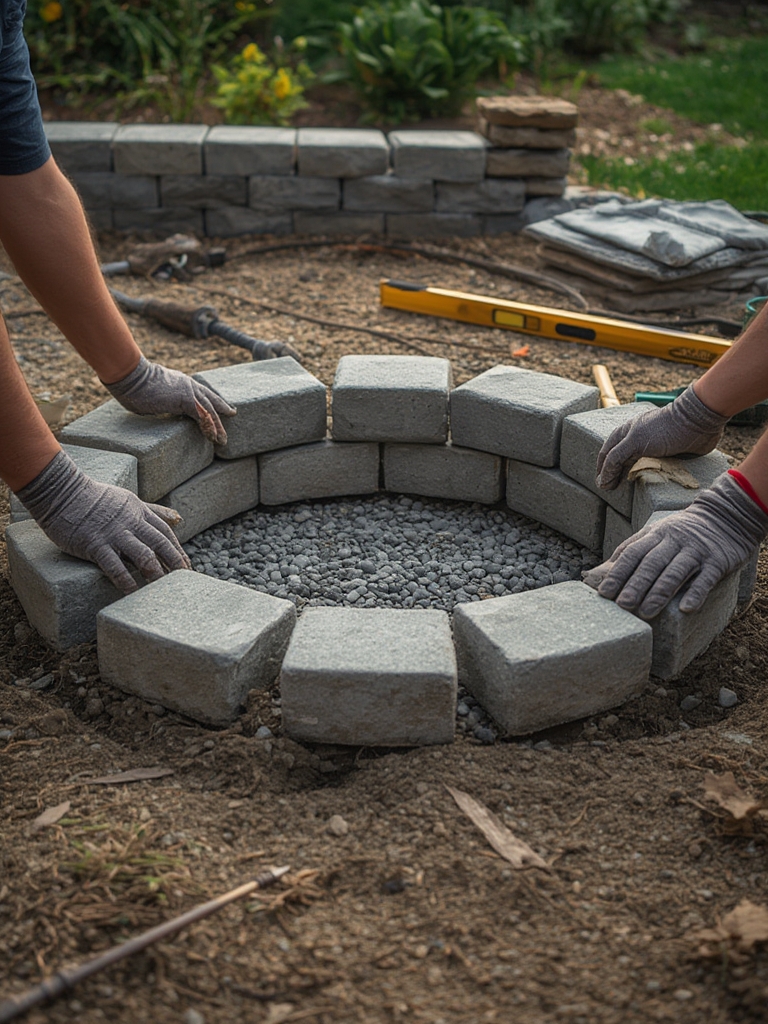
Gas and electric models may require running new lines, which usually needs professional installation. Make sure fire features sit on nonflammable surfaces like gravel, pavers, or concrete. -
Install With Proper Clearance
Maintain at least 10-20 feet of open space from combustible materials and structures. Install wind breakers or shields if needed. -
Test and Maintain
Check for leaks (for fuel-fed models), keep fireboxes clean, and follow maintenance instructions for your chosen material. Store or cover when not in use.
Considering a full backyard makeover? Pair your fire feature with low-maintenance composite decking or an outdoor kitchen for seamless entertaining and lasting value.
If accessibility is a priority, review options for walk-in comfort or barrier-free transitions to outdoor areas—see our curbless shower installation guide for similar universal design principles.
Advanced Analysis & Common Pitfalls (Real-World Problems to Avoid)
Before you commit to a specific outdoor fire feature, consider these recurring challenges and drawbacks:
- Limited Code or Permit Information: Many buyers overlook local fire ordinances until late in the project. Always call your city before purchase—even online reviews and product sites rarely address this upfront.
- Maintenance Surprises: Ash cleanup, rust, or frequent propane refills can be bigger chores than most anticipate. Wood-burning options need dry storage and regular cleaning, while even stainless steel may stain without periodic care.
- Unanticipated Installation Costs: Fuel lines, proper base prep, and electrical upgrades for smart fire pits can add hundreds (or thousands) to budgets. Professional installation is often required for code compliance and safety.
- Weather and Durability Missteps: In harsh climates, the wrong material quickly shows wear. Favor premium metals (steel, copper) or natural stone; avoid uncoated alloys or basic concrete outside temperate regions [PRNewswire].
- Overlooking Year-Round Use: Many owners only use fire features occasionally due to lack of wind screening, poor drainage, or no winter cover.
| Feature | Wood-Burning | Gas | Propane | Fire Table | Outdoor Fireplace |
|---|---|---|---|---|---|
| Ambiance | Highest (crackling wood) | Clean, modern | Portable, easystart | Social, flexible | Dramatic, classic |
| Maintenance Needs | High (ash removal) | Low | Low | Medium | High (soot/cleaning) |
| Installation Cost* | Low–Medium | Medium–High | Medium | Medium | High |
| Year-Round Use | Limited (burn bans, smoke) | Excellent | Excellent | Good | Excellent |
| Smart Tech Options | Rare | Available | Available | Available | Some |
*Exact 2024 cost breakdowns unavailable from industry studies. Professional installation, fuel lines, and premium finishes typically increase budgets.
Want a streamlined DIY experience? Check out our in-depth guides for walk-in pantry renovation and cold plunge pool installation for realistic cost expectations and maintenance tips that also apply to many outdoor upgrades.
Conclusion
Investing in an outdoor fire feature can dramatically boost both your outdoor enjoyment and home value—when you plan carefully, respect local codes, and budget for real-world costs. With new materials and smart controls, today’s options are more versatile, weatherproof, and stylish than ever before. Don’t just pick what looks trendy; focus on purpose, durability, and year-round utility.
Ready to upgrade your outdoor lifestyle? Research your options and design your perfect outdoor fire feature space before next season hits.
FAQ
Do outdoor fire features really increase home value?
Yes. Studies show 87% of homeowners believe a quality fire pit or fireplace adds significant property value, especially in markets where outdoor living is prioritized.
Which fire feature is best for small spaces or decks?
Portable stainless steel or propane fire bowls are best for small patios and apartment balconies since they’re lightweight, compact, and easy to move or store.
How can I maintain my fire feature through harsh winters?
Use stainless steel or stone models for maximum weather resistance, clean ash or debris after use, and cover or move your fire feature indoors if possible during winter months.
Are smart fire pits with Wi-Fi worth it?
If you value convenience, remote control, or enhanced safety features, Wi-Fi fire pits are a smart upgrade—but expect higher upfront and maintenance costs compared to manual models.
Can I cook on most outdoor fire features?
Some fire pits and tables support grilling with accessory kits, but always check the manufacturer’s guidelines before cooking to avoid damaging materials or coatings.