

Cold plunge pool installations at home are more popular than ever, but many homeowners don’t realize the exact costs, installation steps, and potential issues that arise when setting up one of these wellness features. This guide delivers straightforward facts, practical steps, and little-known tips so you make an informed decision—whether you crave daily cold therapy or just want a compact backyard retreat.
Key Takeaways
- Cold plunge pool costs vary widely—above-ground models are often more affordable and simpler to install than in-ground options.
- Scientific evidence on the wellness benefits and risks of home cold plunge use is limited; proceed with realistic expectations.
- Success depends on choosing the right materials, planning for permits, and being aware of often-missed maintenance challenges.
- What is a Cold Plunge Pool? Essential Facts
- Cold Plunge Pool Home Installation: Step-by-Step Guide
- Advanced Analysis & Common Pitfalls
- Conclusion
- Frequently Asked Questions
What is a Cold Plunge Pool? Essential Facts
A cold plunge pool is a compact pool designed for cold water immersion, either for wellness routines, post-workout recovery, or as a cooling-off feature. Unlike traditional pools, plunge pools are typically under 300 square feet and much shallower. In 2024, homeowners are choosing cold plunge pools for space savings and potential health perks—yet realistic planning is vital. Popular installations range from pre-fabricated stainless steel units to custom-built concrete or vinyl mini-pools.
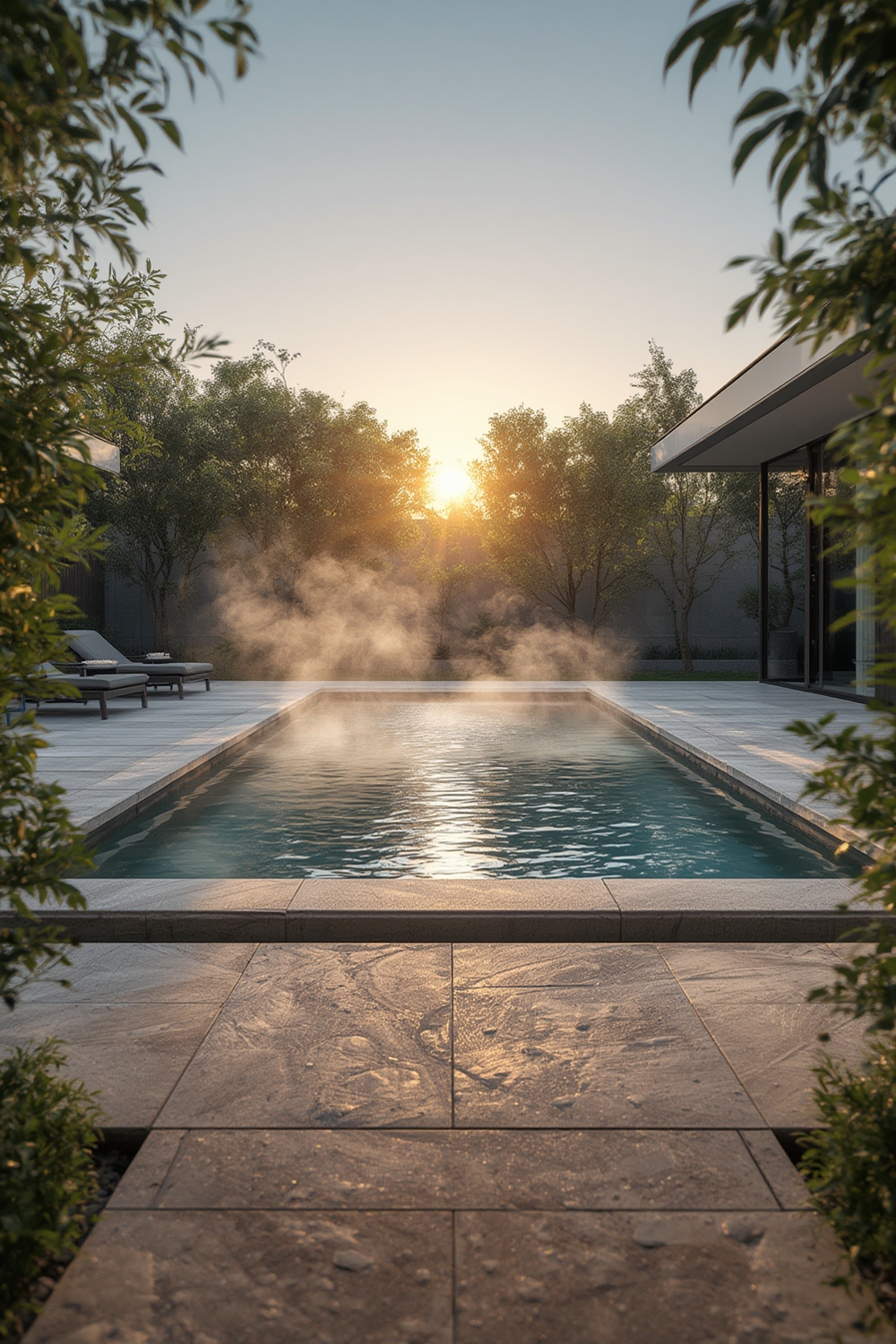
The “why” is simple: cold water immersion feels refreshing and invigorating. However, if you are hoping for science-backed health results, the current data remains inconclusive. For now, focus on practical considerations, cost, installation logistics, and maintenance needs beyond the initial plunge.
Cold Plunge Pool Home Installation: Step-by-Step Guide
Ready to add a cold plunge pool at home? Here’s a practical, step-by-step path to get started—with tips to avoid expensive mistakes.
- Determine Available Space and Placement
- Measure your yard or indoor area. Most homeowners find a 4×4 foot or 6×6 foot footprint works well for single-user use. Read more on choosing compact pool locations.
- Ensure accessibility for filling, draining, and safe entry/exit—especially for elderly or mobility-limited users.
- Select Pool Type & Material
- Above-ground cold plunge pool: $3,000–$30,000. No excavation, often no permits, fastest setup. Prefab stainless units look sharp but may need a basic slab. Vinyl is your cost-saver. Homes & Gardens breakdown here.
- In-ground plunge pool: $10,000–$75,000. Concrete is the most durable (but labor-intensive). Fiberglass models are lower-maintenance, while vinyl saves money but requires periodic liner replacement.
- Check Permitting & Site Preparation
- Permits: In-ground pools nearly always require permits ($550–$3,100). Above-ground units usually don’t. Confirm with your municipality. Angi’s permit advice.
- Site work: In-ground options will need excavation, plumbing at $45–$200/hour, and electrical at $50–$100/hour. For prefab or above-ground, ensure the site is flat and prep a foundation slab if required ($5,000–$15,000).
- Plumbing, Electrical, and Installation
- Professional labor for in-ground pools is essential for longevity and safety. self-contained plug-and-play units (like those from RENU Therapy) can be set up yourself if you are handy.
- Don’t forget: filtration, water supply, and drainage—all add complexity and cost.
- Testing, Maintenance, and Safety Planning
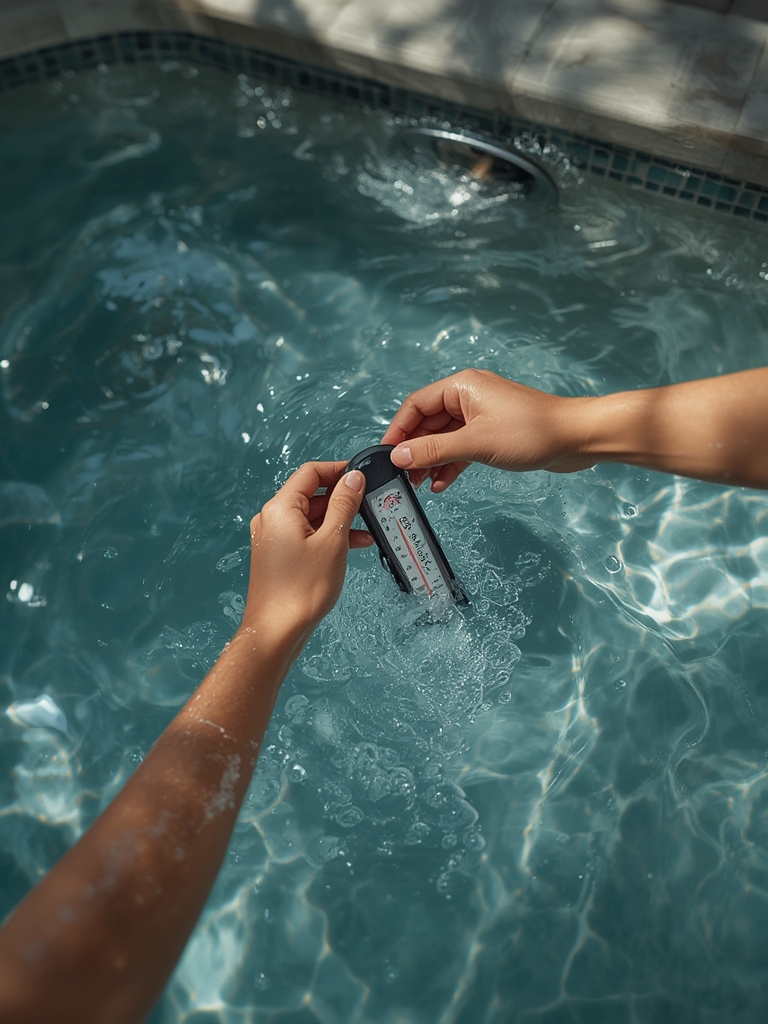
- Annual maintenance is around $299 for a self-contained tub, up to $400 for in-ground. Schedule regular checks for water testing—non-chlorinated minimal chemical pools can be trickier to keep clean.
- Add non-slip surfaces and secure covers for safety, especially if children or pets are present.
Looking for more on smart home improvements? Visit our guide on converting your attic to a bedroom or dive into fiberglass vs cellulose insulation for energy efficiency tips.
Advanced Analysis & Common Pitfalls
Many articles highlight the perks of cold plunge pools, but few mention real-world headaches and gaps in current knowledge:
- Lack of Scientific Evidence: There’s little reliable, peer-reviewed research supporting health or recovery claims for home cold plunge use. Get the research overview here.
- Lack of Market Stats: No published data exists on cold plunge pool market growth for residential buyers in 2024.
- User Complaint Gap: Top sources report almost no user reviews or documentation on temperature control problems, mechanical failures, or day-to-day annoyances. Maintenance costs are a known factor, but beware: complex equipment means more variables for things to go wrong, especially with bargain brands.
- Brand Confusion: Only a handful of manufacturers are transparent about durability and warranty. RENU Therapy lists $299 annual maintenance and 12-month use, Soake Pools offers concrete options around $27,000, but warranty comparison data is sparse.
| Pool Type | Upfront Cost | Maintenance | Permit Needed | Durability |
|---|---|---|---|---|
| Above-Ground (Vinyl) | $3,000–$20,000 | Low (Liner replacement every 5–9 years) | Rarely | Mid (Liner can puncture/be replaced) |
| Above-Ground (Stainless) | $10,000–$30,000 | Medium | Sometimes (if heavy and needs slab) | High |
| In-Ground (Fiberglass) | $18,000–$55,000 | Low to Medium | Yes | High (Easy cleaning) |
| In-Ground (Concrete) | $20,000–$75,000 | Higher (Surface/structural repairs) | Yes | Very High (But maintenance is intensive) |
For ongoing maintenance, expect $299/year for self-contained tubs, $400 for in-ground options, and possible extra charges if heaters or specialty filtration are used. For indoor installs, prioritize proper waterproofing—see our bathroom soundproofing guide for additional water management tips.
Home improvement novices should note that plumbing can add $3,000–$7,000, foundations $5,000–$15,000. DIY installation is only viable for above-ground models designed for homeowner assembly. Any in-ground installation risks serious mistakes, from leaks to groundwater intrusion, if not handled by certified professionals. Review our attic insulation replacement timeline for more on hiring the right contractor for specialized projects.
Conclusion
Investing in a cold plunge pool for your home can be rewarding, but it’s not a shortcut to wellness. Expect to pay $3,000–$75,000 depending on size, material, and complexity. Above-ground models make installation easy but still need careful planning. At this time, health benefits remain unproven in scientific literature, and key brands do not provide detailed warranty or durability comparisons. Do your research, set your budget, and weigh the long-term maintenance before diving in. If you feel ready to create your own cold plunge pool retreat, start planning now and enjoy the refreshment on your terms.
Want more actionable advice? Check out our deep-dive on whether insulation really makes a difference or explore the full cold plunge buyer’s guide.
Frequently Asked Questions
How much does a cold plunge pool cost to install at home?
Costs range from $3,000 for a basic above-ground unit up to $75,000 for a large, in-ground, concrete model featuring extra amenities. Most homeowners spend between $10,000 and $30,000. Material choice—vinyl, fiberglass, or concrete—drives this range.
Do I need permits to install a cold plunge pool?
Permits are usually required for in-ground installations and range from $550–$3,100. For above-ground cold plunge pools, permits are often not necessary, but always check your local regulations first.
What maintenance does a cold plunge pool require?
Self-contained tubs cost about $299 per year to maintain. In-ground pools average $400 annually. Maintenance includes cleaning, filter changes, water testing, and periodic repairs—vinyl liner pools need replacement every 5–9 years.
Are there documented health benefits to home cold plunge pools?
No strong scientific evidence currently supports major health benefits or significant risks for regular cold plunge pool use at home. Always consult with your healthcare provider before beginning intense cold therapy routines.
Which brands offer the best cold plunge pools?
RENU Therapy offers plug-and-play self-contained tubs with transparent maintenance cost info. Soake Pools provides custom concrete plunge pools. Detailed side-by-side comparisons of features and warranties are not widely published.