

Enclosed porch conversion is quickly becoming one of the most in-demand home upgrades in 2024, offering homeowners affordable extra living space and a clear bump in resale value. Whether you’re dreaming of a sunny reading nook or an all-season entertaining spot, converting your current porch could be the smartest way to expand your home without the hassle and cost of a major addition.
Key Takeaways
- Expect to spend $10,000–$75,000 depending on whether you DIY or hire pros, with large regional variations and product choices.
- Permits, building codes, and foundations are critical—skipping them can wreck your budget and safety.
- Energy efficiency upgrades and professional insulation boost comfort and ROI, raising your home’s value by at least 50% of project cost.
- What Is Enclosed Porch Conversion and Why Do It?
- How to Convert an Enclosed Porch: Step-by-Step
- Advanced Analysis & Common Pitfalls
- Conclusion
- FAQ
What Is Enclosed Porch Conversion and Why Do It?
Enclosed porch conversion means upgrading a screened or walled-in porch into a finished sunroom or year-round living space. Unlike building a new sunroom from scratch, this process leverages your existing foundation and structure—saving time, major demolition, and thousands of dollars. Homeowners often choose this route to add a playroom, home office, workout space, or light-filled lounge.
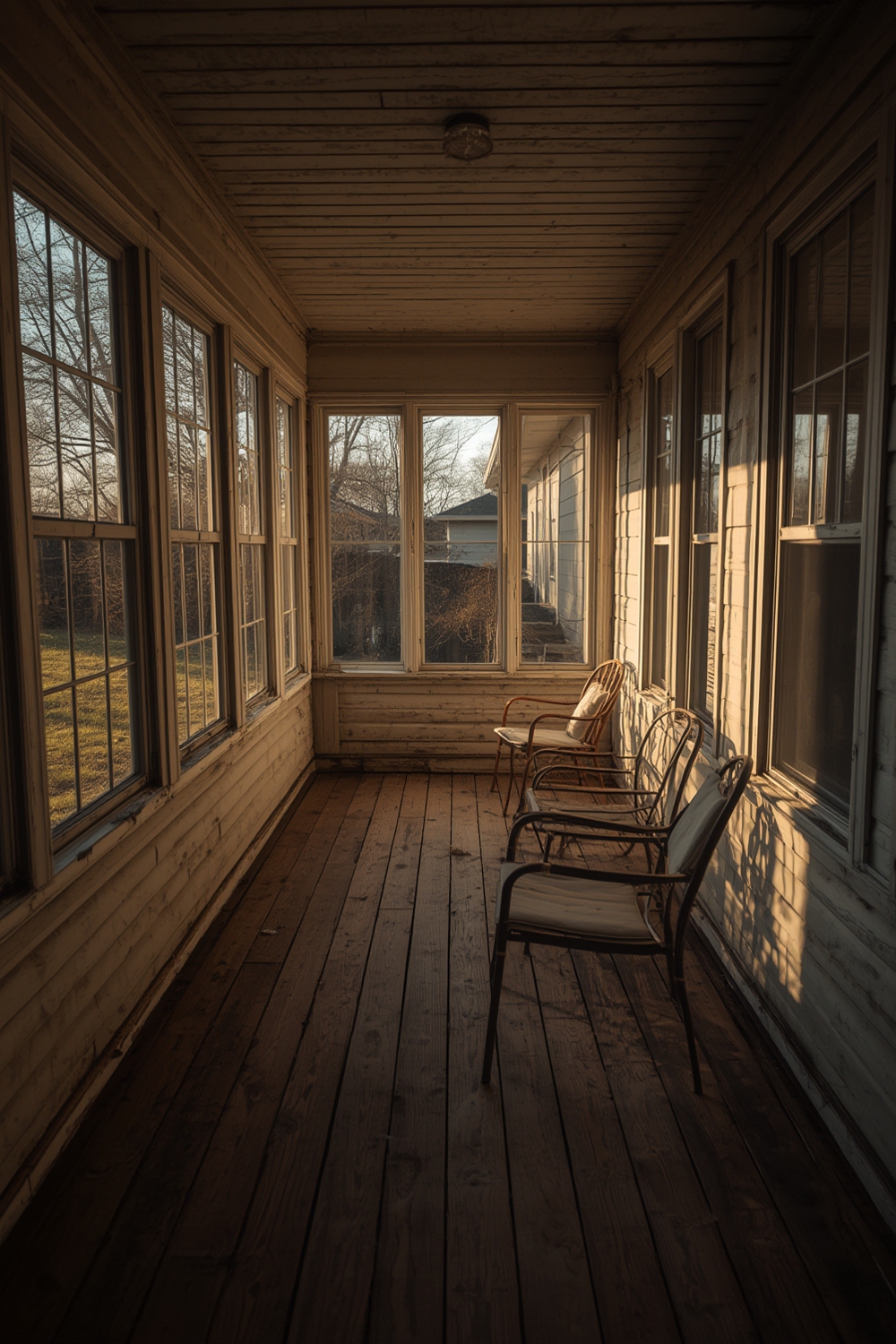
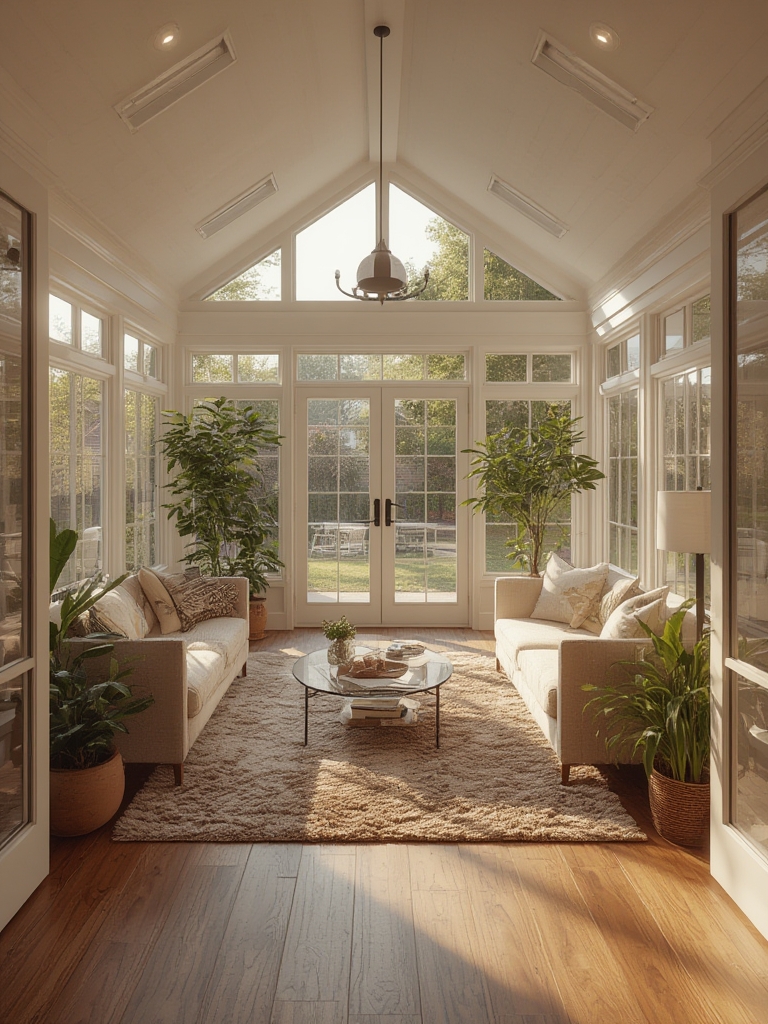
In 2024, enclosed porch conversions range from roughly $10,000 for a simple DIY or prefab kit to $75,000+ for high-end, four-season spaces with full HVAC and high-performance glazing. The result is usable square footage that feels like a real room—raising property value, maximizing your lot, and adding comfort year-round.
If you’re also eyeing smart ways to add value, see our Indoor-Outdoor Living Space: 7 Amazing Ways to Boost Home Value (Proven Guide) for more ideas.
How to Convert an Enclosed Porch: Step-by-Step
Transforming your porch into a true sunroom or conditioned space is serious work, but any careful homeowner or team of pros can tackle it with a realistic plan:
- Assess Structure and Foundation: Hire a contractor or structural engineer to inspect the porch’s footings and framing. Existing porches often need reinforcement to support new insulation, HVAC, or heavier windows (up to 8% of your final budget, per Angi).
- Budget for Permits and Design: Local approvals run $250–$1,500 and may require detailed plans. Most municipalities want proof of structural soundness, code-compliant windows, and electrical updates.
-
Choose Your Sunroom Type:
- Three-season: Lower cost, single-pane glass, limited insulation, no HVAC ($8,000–$50,000 total)
- Four-season: Fully insulated, double/triple-pane glass, HVAC integration ($20,000–$80,000)
- Engineering Signoff and Upgrades: Reinforce foundations, add or upgrade sill plates, and weatherproof the floor. If existing footings are inadequate, expect costs of $500–$6,000.
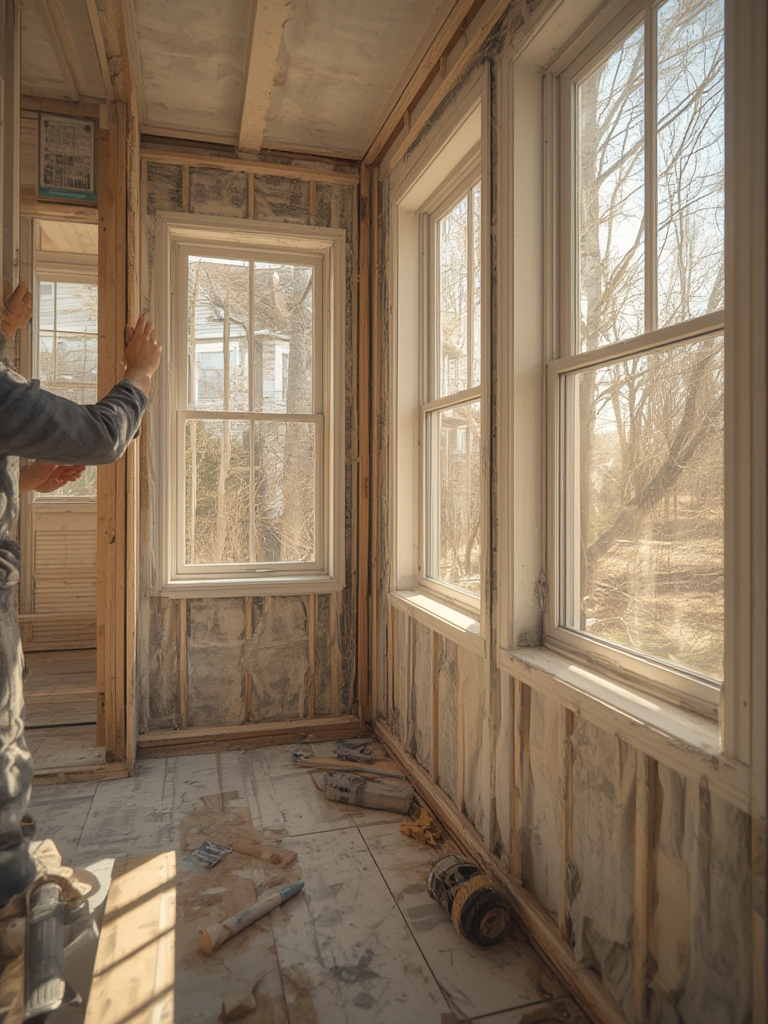
- Demolish Old Materials: Remove screens, old doors, or interior cladding carefully. Check for water damage or insect activity in framing.
- Install Framing, Insulation, and Utilities: Add studs where new walls or windows go. Install code-compliant electrical, insulation ($500–$1,500, crucial for four-season comfort), and HVAC (if equipped).
- Windows, Doors, and Siding: Fit energy-efficient windows and doors. Choose double or triple-pane glass if your climate demands. Match new finishes to your existing siding for curb appeal.
- Finish Interior: Drywall, paint, floor coverings, and electrical trims go in last. Try radiant flooring or mini split systems for added comfort and energy savings.
Want more storage, organization, or multi-use space inspiration? Check out our walkthrough on walk-in pantry renovation or see how a butler’s pantry boosts entertaining and resale value.
Advanced Analysis & Common Pitfalls
While porch conversions offer efficiency and value, there are hidden dangers and issues that can derail your project if you’re not careful. Here’s what research and real-world projects reveal:
| Aspect | Porch Conversion | New Sunroom Build |
|---|---|---|
| Average Cost | $10,000–$75,000 (avg. $41,500–$46,000) |
$47,000–$80,000+ |
| Foundation | Uses existing (must be sound); may need reinforcement | Requires full new poured slab |
| Insulation | Varies – may need upgrades for 4-season | Comprehensive; always included |
| HVAC | Optional; ductless mini-split or tie-in, extra cost | Usually integrated from the start |
| Energy Efficiency | Can be excellent with investment (energy-efficient windows recommended) | Engineered for high efficiency |
| Project Timeline | 2–8 weeks (depends on existing structure and permits) | 2–3 months typically |
| ROI | ~50% (with right upgrades) | ~50% (per HomeGuide/Angi) |
Top Pitfalls and How to Avoid Them
- Ignoring structural strength: Many porches lack deep footers or soil stabilization needed for new loads. Always verify with a professional, as skipping this step can risk property damage—and failed permits (source).
- Underinsulating walls and floor: Heat loss or poor summer comfort unless you add proper insulation, leading to unusable rooms most months. Three-season conversions can struggle unless you add foam or consider a high-coverage mini split HVAC system.
- Delaying permit process: Municipal reviews can tie up your project for 2–8 weeks. Submit plans early and anticipate code corrections.
- Energy waste and condensation: Cheap windows and doors often cause condensation, drafts, and high bills. See our energy-efficient windows guide to compare modern options that work.
- Assuming prefab kits will fit: DIY options save money but can fail to match porch dimensions or aesthetics unless double-checked in advance; always measure three times.
For climate comfort, proper insulation, or the latest modular trends, see our walk-through on installing a cold plunge pool or check out high-performance outdoor kitchen builds for all-climate ideas.
Conclusion
Whether your budget lands toward basic upgrades or high-end, all-season luxury, an enclosed porch conversion remains one of 2024’s most realistic ways to gain usable home space and raise resale value. For most homeowners, professionally converted porches deliver a strong 50% return, especially with energy-efficient upgrades and careful attention to foundation and permits. Ready to start your enclosed porch conversion? Review your structure, plan your insulation and window strategy, and get expert advice before you invest.
Want more detailed cost and installation breakdowns? Browse our project guides above or reach out to a local pro for a personalized quote.
FAQ
How much does it cost to convert an enclosed porch into a sunroom in 2024?
Expect total costs from $10,000–$75,000, with most professional conversions landing in the $20,000–$50,000 range depending on insulation, glass type, and HVAC. DIY and prefab kits start around $5,000 but require accurate measurements and solid existing framing (source).
Do I need a building permit for a porch-to-sunroom conversion?
Almost always—local codes require permits ($250–$1,500) to verify the foundation, insulation, utility upgrades, and overall structural safety. Start your permit application as soon as you have design plans, to avoid project delays (source).
What’s the biggest hidden cost or risk?
The porch’s foundation. If your porch wasn’t originally designed to bear heavier glass and year-round use, you might need substantial footings, slab reinforcement, or even a new subfloor. Skipping this check risks code failure and costly mid-project corrections.
Is a four-season sunroom worth it compared to a three-season?
If you want true year-round comfort and higher resale, invest in a four-season conversion with proper insulation, double or triple-pane glass, and a ductless mini split or tied-in HVAC. Three-season options are cheaper but rarely comfortable in winter or hot climates.
Will converting my porch help sell my home or increase value?
On average, professionally finished sunrooms—including enclosed porch conversions—offer a 50% return on investment by adding usable square footage and major buyer appeal. Energy upgrades can further raise your resale value (source).