

indoor air quality monitor use is surging as wildfires and pollution push more homeowners to track what’s really in the air they breathe. Many look for solutions but struggle to know what works, what the numbers mean, or how to actually get results beyond just awareness. Here’s what’s proven, what isn’t, and how to realistically improve indoor air quality at home in 2025.
Key Takeaways
- Wildfire smoke is impacting indoor air across North America, causing spikes in PM2.5 and health risks, especially for children, elderly, and those with respiratory issues.
- Most indoor air quality monitors measure particles (PM2.5/PM10), VOCs, CO2, and humidity but many users ignore limitations—cost, accuracy, and ongoing calibration matter.
- HEPA air purifiers with real-time sensors are proven to lower particle levels during extreme events, but independent testing on monitor accuracy is still scarce.
- How Indoor Air Quality Monitors Actually Work (And Why They Matter in 2025)
- How to Use an Indoor Air Quality Monitor: Actionable Steps for Homeowners
- Common Pitfalls and Problems With Home Air Quality Monitors
- Summary & Next Steps
- Frequently Asked Questions
How Indoor Air Quality Monitors Actually Work (And Why They Matter in 2025)
Nearly everyone spends about 90% of their time indoors. Pollution and wildfire smoke aren’t just outdoor concerns anymore. In recent years, wildfires in the U.S. and Canada pushed high levels of particle pollution (PM2.5) inside homes hundreds of miles away. Even with doors and windows closed, smoke finds a way in—contributing to headaches, asthma, bronchitis, and even increased risk of heart attack or stroke (source).

What do indoor air quality monitors actually do? These smart sensors test for fine particles (PM2.5, PM10), volatile organic compounds (VOCs) often released from cleaning products and furniture, carbon dioxide (CO2) as a sign of stuffy rooms, humidity, temperature, and sometimes airborne chemicals. Real-time data is sent to your phone or displayed on a small screen. The goal: let you see when you need to ventilate, purify, or change habits to reduce exposure. But context is key—knowing your air is unhealthy is just the first step.
Because most competitor guides overlook the reality that sensors have limits—consumer models can be inaccurate, drift over time, or fail to detect certain hazardous gases—many homeowners have a false sense of security. You don’t need to become an air quality scientist, but you do need a plan to interpret and act on the numbers.
For a deeper renovation that automatically addresses air quality, see walk-in pantry renovation projects where smart ventilation is often integrated with updated storage spaces and sealed cabinetry.
How to Use an Indoor Air Quality Monitor: Actionable Steps for Homeowners
Many new users simply plug in their device and forget about it. That’s not enough. Here’s how to use your indoor air quality monitor for real-world results:
- Place the monitor in your main living area first. Avoid placing next to open windows, direct sunlight, or vents for the most accurate average readings.
- Monitor baseline levels for 2-3 days. Record typical readings for PM2.5, VOCs, CO2, and humidity. This helps you notice spikes during specific activities (cooking, cleaning, opening windows).
- Test air in bedrooms, basement, and kitchen. Move the sensor every few days. Note which rooms are outliers and may need extra attention or purification.
- Correlate spikes with real events. Document when you cook, use cleaning sprays, burn candles, or when outdoor smoke events are reported. Pay special attention during wildfire alerts—compare your indoor air to EPA or local agency warnings (EPA wildfire advice).
- If readings are high: Use a portable HEPA air purifier—ideally with its own sensor and auto mode. Run it on high during problem periods. For smoke events, create a “clean room” by sealing a bedroom with towels at the doors and using the purifier inside.
- Consider ventilation improvements: If CO2 or humidity trends high, run bathroom/kitchen exhaust fans 15 minutes daily or install a heat recovery ventilator for efficient fresh air.
- Repeat seasonal checks. Particulate levels change with outdoor fires, wildfire season, or pollen bursts. Periodically recheck to spot new risks or hardware drift.
- Maintain and recalibrate your device as recommended. Consumer sensors can drift after 12-18 months. Replace or recalibrate sensors according to manufacturer instructions or when readings seem “stuck.”
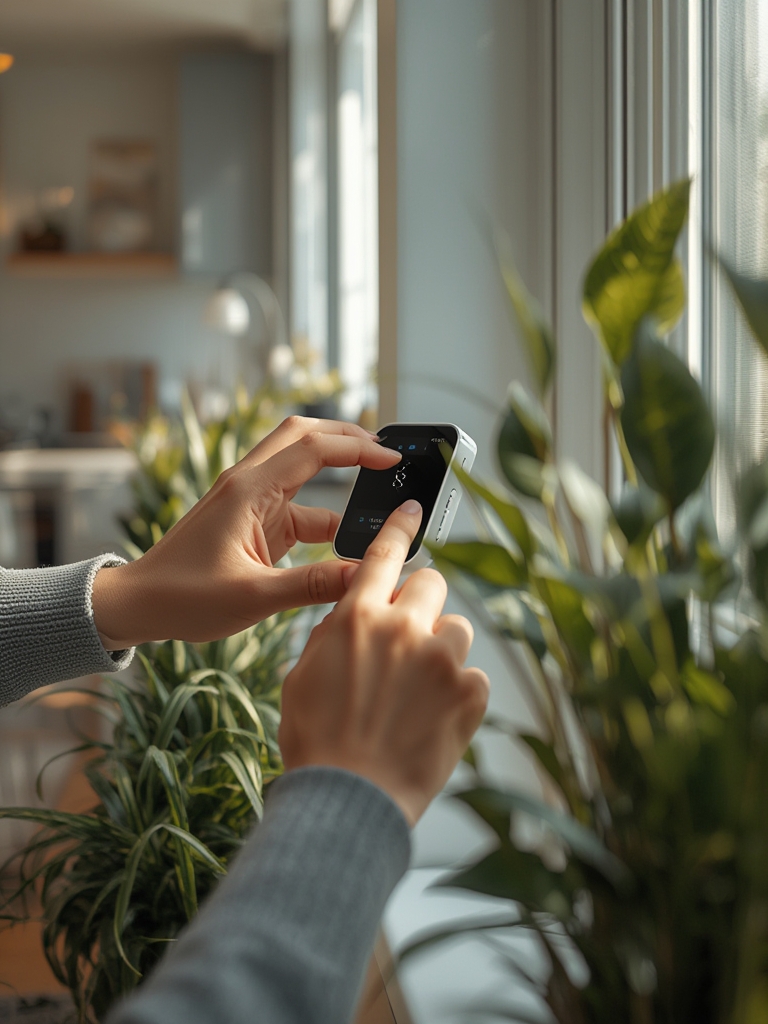
If you’re already working on a cold plunge pool area, be extra cautious—humid, enclosed spaces are at greater risk for mold and poor air circulation, both of which a good monitor can help catch early. For homes being updated with new energy-efficient windows or sealed with curbless showers, remember: improved airtightness means monitoring is even more crucial.
Want to future-proof even more? If you’re considering any smart home projects (such as a smart garage door opener for improved security and air sealing), this is a good time to plan for sensor placement and ensure ongoing air exchange.
Common Pitfalls and Problems With Home Air Quality Monitors
Even the best indoor air quality monitors have real limitations. Here are the problems most users encounter—and how to avoid wasted effort or a false sense of security:
- Overreliance on a single monitor: No device can sample every pollutant or cover every room. Highly local issues—like a musty basement—won’t show up if your monitor is set up in the kitchen.
- Accuracy drifts over time: Cheap sensors degrade rapidly. Even reputable models typically need recalibration or replacement after 12-24 months, especially for VOC and PM2.5 sensors.
- Missed pollutants: Consumer monitors rarely detect formaldehyde, radon, carbon monoxide, or tiny ultrafine particles that still impact health.
- Cost and maintenance: Many buyers ignore filter replacement costs for integrated purifiers and the need to periodically clean or replace particulate sensors. Budget accordingly.
- Poor placement and interpretation: Location matters—a device too close to vents, in direct sunlight, or near electronics can skew results. Not all spikes are dangerous: VOCs spike after cleaning, PM2.5 after cooking, but transient events may not reflect ongoing risk.
| Monitor Type | Measures | Sensor Life | Common Issues |
|---|---|---|---|
| Entry-Level Smart Monitor | PM2.5, CO2, VOCs, Humidity | 12-18 months | Accuracy drift, missed gases |
| HEPA Purifier with Built-In Sensor | PM2.5, sometimes VOCs | 12-24 months | Sensor lag, filter replacement, high cost |
| DIY/Standalone CO2 or VOC Monitor | CO2, select VOCs | 1-2 years | Limited coverage, data overload |
During wildfire season, even the best air quality monitor is just the first line of defense. Portable HEPA purifiers with their own sensors can dramatically drop particle levels inside, yet they require diligent filter changes and sometimes noisy operation. According to the EPA, HEPA filters are effective at reducing fine particle exposure but independent tests on sensor accuracy and long-term performance are still lacking (Harvard source).

Looking for broader ways to boost home value and wellness? Explore indoor-outdoor living upgrades and biophilic bathroom design.
Summary & Next Steps
Monitoring your air makes invisible risks visible—but only if you act on what the numbers show. The best approach is pairing an indoor air quality monitor with practical mitigation steps: run HEPA purifiers, ventilate regularly, seal major air leaks, and replace sensors on schedule. Always review where the highest readings occur, retest after changes, and budget for ongoing filter and device costs. In a world where wildfire smoke is now a seasonal reality, owning an indoor air quality monitor and using it wisely is a basic home health step. Ready to breathe easier? Assess your air this week and upgrade your defenses.
Want more practical home upgrades? See our guides on outdoor kitchen value and custom built-in storage solutions to transform both air and space in your living environment.
Frequently Asked Questions
What pollutants do most home indoor air quality monitors measure?
Most consumer monitors track PM2.5, PM10 (tiny airborne particles), VOCs (from cleaners, paint, furniture), CO2 (for ventilation), humidity, and sometimes temperature. Some higher-end models measure additional gases, but many do not.
How often should I replace or calibrate air quality monitors at home?
Plan to replace or recalibrate sensors every 12–24 months, especially for PM2.5 and VOC sensors. Follow manufacturer’s recommendations; accuracy can drift significantly over time.
Can a HEPA air purifier actually lower PM2.5 readings during wildfire smoke?
Yes, portable HEPA purifiers are proven to reduce PM2.5 and improve indoor air, especially when run continuously in a sealed room during outdoor smoke events. Consistently monitor air quality to confirm effectiveness.
Is it worth buying a monitor with integrated air purifier?
It can be convenient, but costs more. Make sure to factor in filter changes and real-world placement—sometimes two separate devices (placed in critical areas) provide better coverage and flexibility.
Are there common problems with indoor air quality monitors?
The most frequent issues are sensor drift, missed gases like radon or CO, and poor location choices. Regular monitoring, calibration, and understanding what your monitor can’t measure will give you much more reliable results.