

Pebble shower floor installations have become a favorite for homeowners who want a unique, spa-like detail in their bathrooms—but are they really worth it? Here’s a brutally honest, no-gloss guide to the actual costs, process, and common issues that come with pebble shower floors in 2024.
Key Takeaways
- Pebble shower floors cost significantly more than standard ceramic or porcelain tile, both for materials and labor.
- Maintenance and installation can be tricky, and the long-term durability depends on sealing and proper technique.
- While they deliver a luxury look, there is little scientific data supporting increased slip resistance compared to other materials.
- What Is a Pebble Shower Floor and Why Use One?
- How to Install and Maintain a Pebble Shower Floor: Step-by-Step
- Advanced Analysis and Common Pitfalls
- Conclusion
- FAQ
What Is a Pebble Shower Floor and Why Use One?
A pebble shower floor is a unique type of shower base that uses real stone or manufactured mesh-backed sheets in place of traditional ceramic or porcelain tiles. The pebbles are usually set in mesh-backed sheets, then installed with thinset mortar and grout. Homeowners are drawn to the look because it mimics natural riverbeds, offers a non-uniform, tactile surface, and brings a spa vibe to any bathroom remodel.
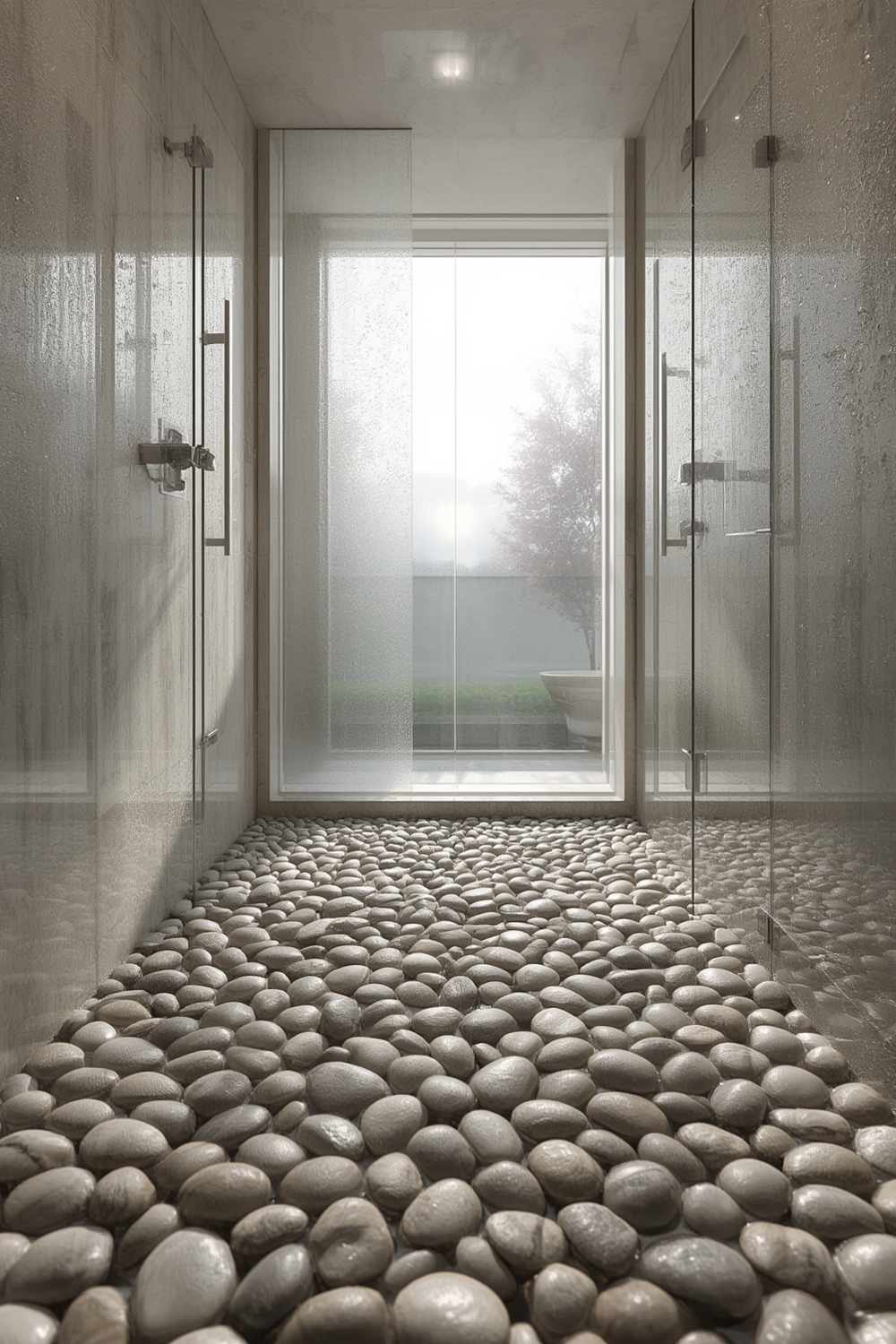
Beyond aesthetics, pebble shower floors promise a textured, foot-friendly surface that can theoretically help with slip resistance—although no measurable slip resistance data exists to fully support this. They also fit beautifully into trending biophilic bathroom designs that use natural materials to create calming, therapeutic spaces.
If you’re curious how a pebble shower floor stacks up to other options, consider factors like:
- Cost per square foot: Pebble floors average $40–$70 (or as high as $80) installed—much higher than ceramic and most natural stone tile (Angi).
- Maintenance requirements: Regular sealing and careful cleaning are needed to avoid mold and discoloration.
- Installation difficulty: More labor is involved due to the pebbles’ shapes and uneven surfaces.
Why use a pebble shower floor? Mainly for the look and feel—it’s a high-impact design move for spa bathrooms, curbless showers, and modern naturalistic spaces. See more inspiring bathroom upgrades in our curbless shower installation guide.
How to Install and Maintain a Pebble Shower Floor: Step-by-Step
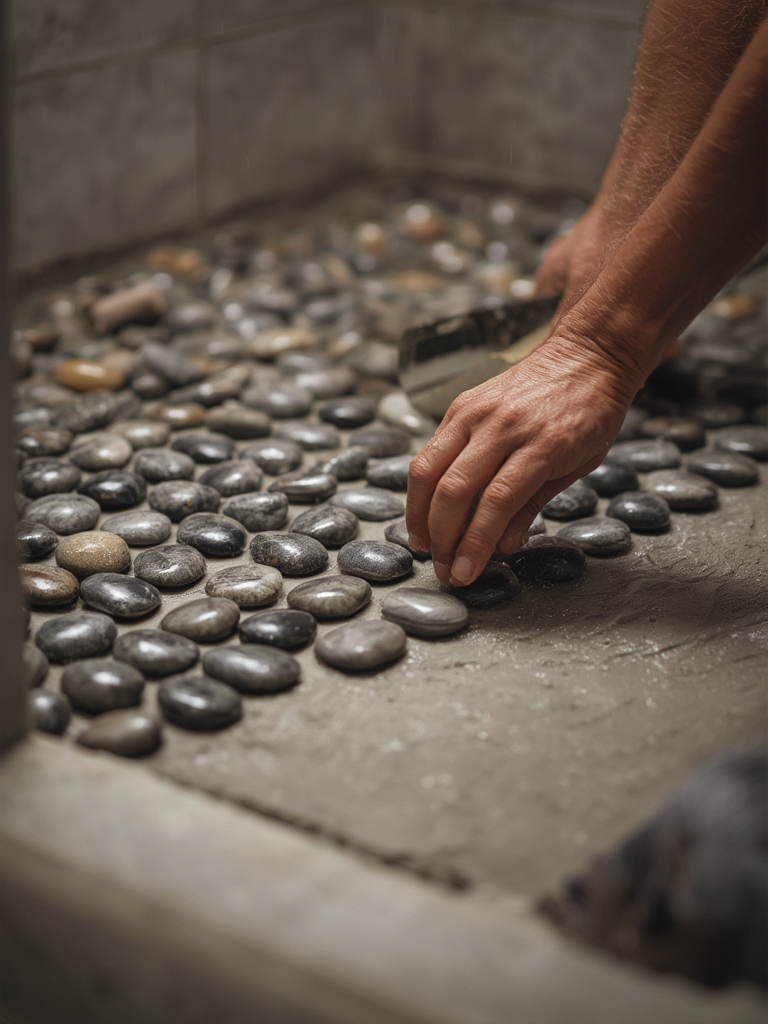
If you’re thinking of tackling a pebble shower floor, here’s a realistic, no-fluff step-by-step guide:
- Prep the shower pan: Start with a properly sloped and waterproofed shower floor. Skimp here and you’ll pay for it later—double-check your membrane coverage and drainage layout.
- Dry lay your pebble tiles: Lay out the sheets to see how they mesh; trim as needed for a natural blend.
- Apply thinset mortar: Use a notched trowel with white thinset to avoid showing through light stones. Work in small, manageable sections.
- Press and adjust pebbles: Press sheets into place, but individually nudge stones to fill gaps and avoid a grid pattern.
- unsanded grout: Use unsanded grout for mesh-backed river rock, and don’t skim this step—the uneven surface requires thorough packing and cleaning.
- Seal the pebbles: Seal the pebbles (and grout if needed) after drying and every 6-12 months to prevent mold, mildew, and stains.
- Maintenance: Clean with neutral pH stone cleaner regularly, and check for cracked grout or loose pebbles once a month.
Want more details about waterproofing? Review our expert curbless shower waterproofing guide to avoid rookie mistakes that destroy beautiful bathrooms.
Advanced Analysis and Common Pitfalls
Is a pebble shower floor all beauty and no drawbacks? Here are the issues homeowners and contractors actually face—plus how every shower floor material compares, cost-wise and by risk:
| Material | Average Installed Cost (per sq ft) | Maintenance | Common Problems |
|---|---|---|---|
| Pebble | $40–$70 (up to $80) | High – seal 1–2x/year, careful cleaning |
Loose pebbles Grout cracking Mold or mildew in grout Difficult installation and repairs |
| Ceramic | $10–$25 | Low – needs only basic cleaning |
Can become slippery Cracks if floor is uneven |
| Porcelain | $15–$50 | Low – highly stain-resistant |
Cold, hard surface Slippery when wet |
| Marble/Stone | $20–$65 (marble), $25–$60 (limestone) | High – requires sealing |
Etching, stains Slippery if polished Expensive repairs |
What’s missing from most guides?
- No reliable scientific measurement of pebble floor slip resistance. While they’re usually less slippery than polished tile, there’s no safety certification or quantitative data (This Old House).
- User complaints are rarely published in trusted sources—so while mold, sealing failure, or cleaning hassles are possible, no large datasets exist to provide frequencies or solutions.
- Recent advancements in waterproofing or installation specific to pebble tiles aren’t widely reported. The usual process still involves mesh-backed sheets and careful sealing (Kitchen Cabinet Kings).
A few more must-know cons for homeowners:
- Pebble floors are time-intensive for pros; labor costs ($10–$15/sq ft) spike with complexity (Angi).
- Maintenance isn’t optional. Skip sealing and you’ll soon have stained grout or mildew.
- Repairs are tough—matching color and shape in pebbles is challenging.
For a broader look at bathroom upgrades that improve long-term value, see our guide to maximizing home value with seamless spaces.
Conclusion
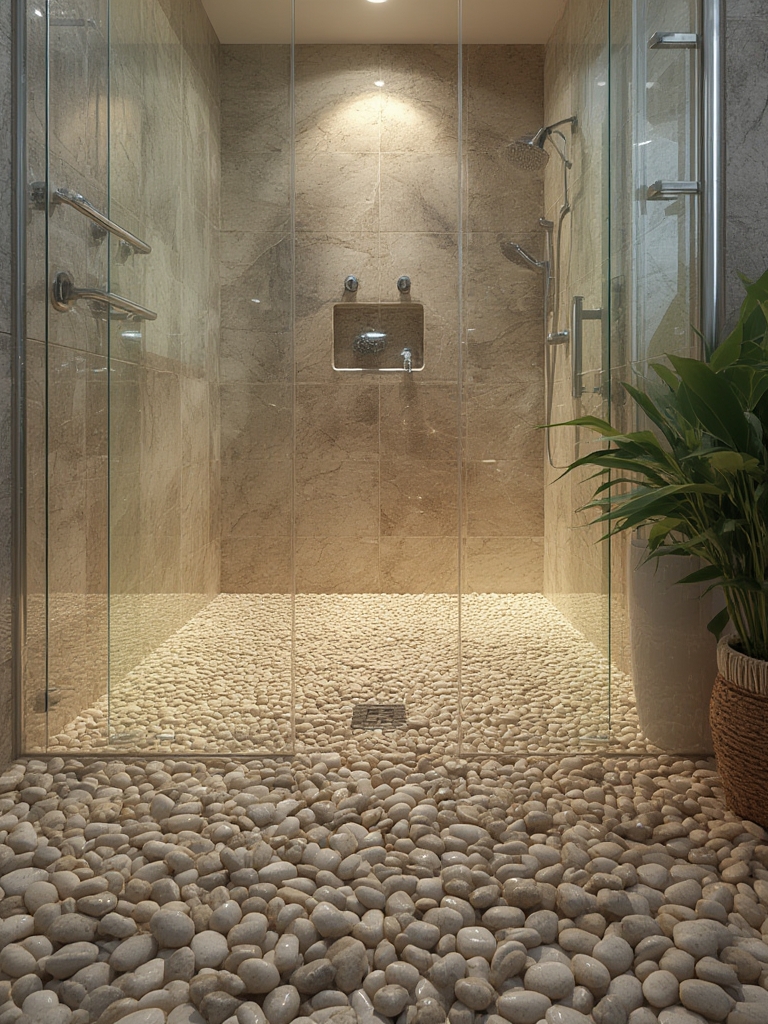
Pebble shower floors create a stunning, nature-inspired look and can absolutely transform a bathroom. But with high costs, complex installation, ongoing care, and limited proven benefits for slip resistance or resale value, proceed with eyes open. Weigh your priorities, research installation pros carefully, and always ask about long-term maintenance for your pebble shower floor project to avoid costly surprises.
Ready to revamp your bathroom? Compare your options, plan for proper installation, and don’t forget to check out our expert pantry renovation tips and spa-inspired upgrades for your whole home.
FAQ
Are pebble shower floors slippery?
Pebble shower floors offer more texture than flat tile which can help with slip resistance, but no scientific slip ratings exist. Always use a high-quality sealer and test for yourself instead of relying on marketing claims.
How often do pebble shower floors need to be sealed?
Most professionals recommend sealing every 6 to 12 months. High use may require more frequent sealing, while neglecting it can lead to stained grout and mildew issues.
What’s the best way to clean a pebble shower floor?
Use a neutral pH stone cleaner and a soft brush. Harsh acids or rough cleaning can degrade both the stones and grout. Rinse well and dry to prevent residue buildup.
Does installing a pebble shower floor add value to my home?
Pebble floors deliver a luxury look that appeals to some buyers, but there is no hard market data linking them to increased resale value. Maintenance concerns may turn off some future buyers, so consider this in your remodel.
Can I install a pebble shower floor myself?
DIY is possible for experienced tilers, but the uneven surface, complex cuts, and sealing requirements make professional installation a strong recommendation—especially to meet warranty or resale expectations.